
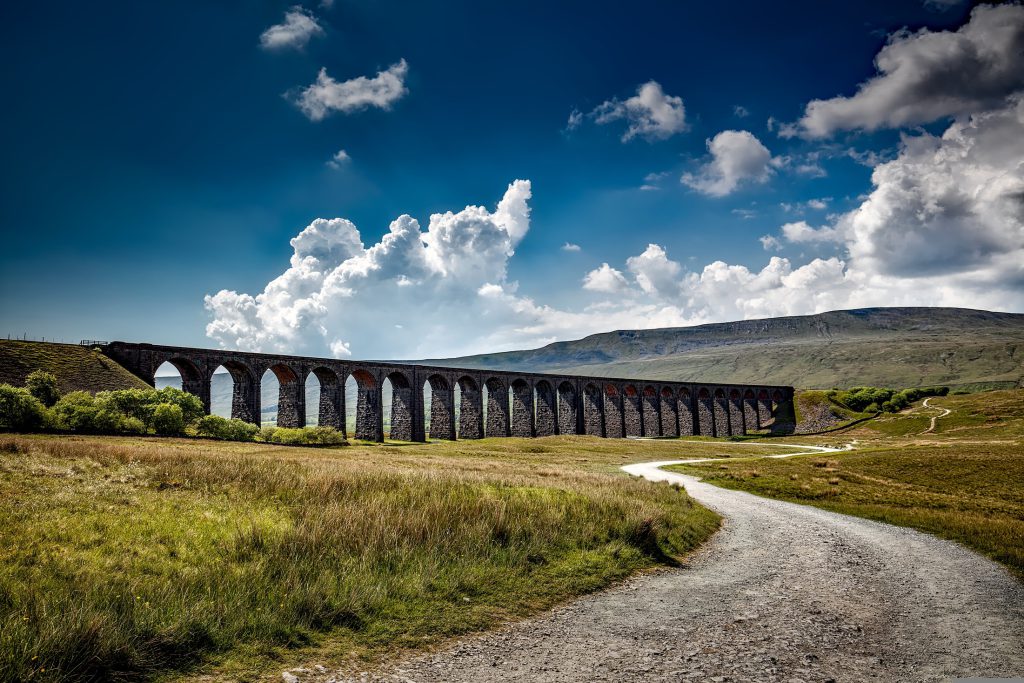
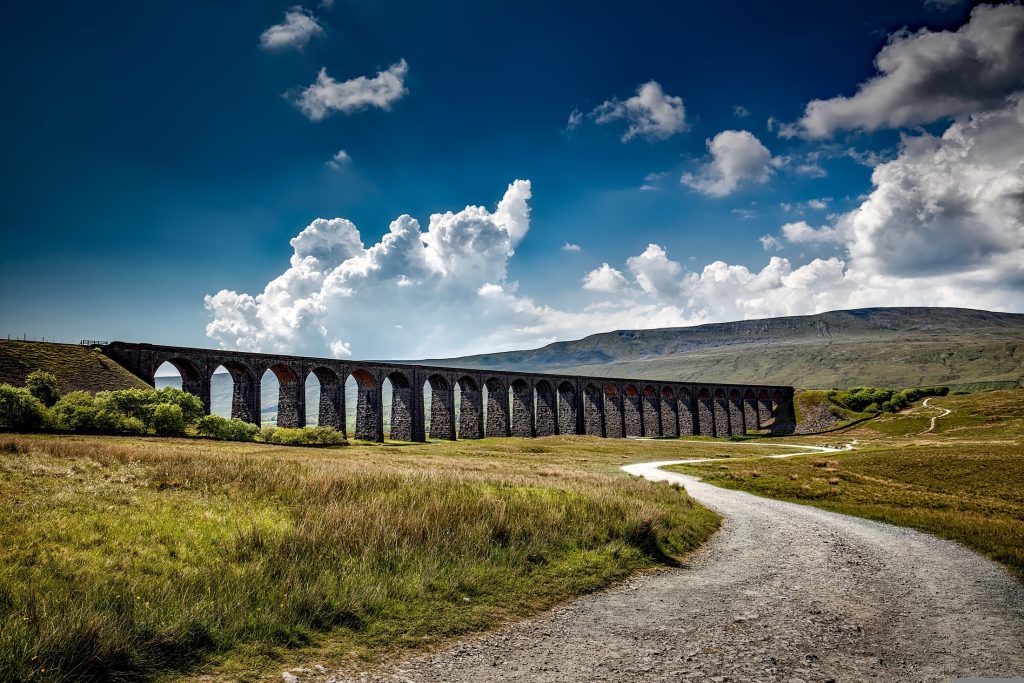
Many UK travellers looking to spend time outdoors don’t need to travel far to find it. Across the country, landscapes can feel surprisingly varied within relatively short distances. There are the open fells of Cumbria, quiet woodland tracks in Hampshire, cliff paths in Cornwall, and winding roads through the Scottish Highlands. What often makes these places memorable isn’t just the scenery, but how easily visitors can move through them, either on foot, by train, or along quiet country roads. Markets, old footpaths, and small villages often sit right alongside national parks and coastlines.
This guide looks at five destinations where nature is always within reach and where exploring the outdoors fits naturally into everyday life.
Pet-Friendly Countryside Escapes Across the UK
Travelling with a dog changes the way many people choose where to stay, especially when countryside walking is the main reason for the trip. Rural areas such as the Cotswolds, North Yorkshire Moors, and parts of Pembrokeshire have become particularly popular because public footpaths connect directly to villages and farmland. Around Bourton-on-the-Water and Stow-on-the-Wold, for example, narrow lanes quickly give way to walking trails that run past dry-stone walls and small streams.
It makes practical sense to stay in dog-friendly cottages close to walking routes if you’re travelling with a furry friend. Accommodation in converted farmhouses or old stone cottages often sits just outside villages, allowing early morning walks to begin right from the front door. In places like the Yorkshire Dales near Grassington or Hawes, paths follow old packhorse routes across the hills. Many of them connect small settlements that still hold weekly markets and local shops.
What makes these countryside areas particularly appealing is how easy it is to explore on foot. Walkers often follow signed footpaths across fields, passing through wooden gates and quiet lanes before reaching the next village green or parish church.
Explore the Dramatic Peaks and Clear Lakes of the Lake District
The Lake District has long drawn walkers and climbers, but it’s surprisingly accessible even for visitors who don’t plan major hikes. Many people start around Keswick, where paths run directly from the town centre to Derwentwater. A flat lakeside trail circles the water and passes through wooded areas near Friar’s Crag, one of the most photographed viewpoints in the area.
From Keswick Market Square, buses run towards Borrowdale and Buttermere, where walking routes quickly reach open fell landscapes. The climb to Catbells is one of the most approachable ridge walks in the region and gives wide views across Derwentwater toward Skiddaw. Further south, Ambleside provides another useful base. Walkers often start near the Bridge House landmark and follow trails toward Stock Ghyll Force waterfall before continuing toward Loughrigg Fell.
Grasmere village sits only a short bus ride away and connects several classic walking routes across the central fells. Paths here pass stone walls and sheep fields before reaching higher ground near Helm Crag.
Discover the Wild Landscapes of the Highlands on a Scottish Road Trip
Driving through the Scottish Highlands often feels less like a typical road journey and more like travelling between entirely different landscapes. Routes such as the North Coast 500 have become well known, but quieter roads around Torridon, Assynt, and Glen Affric still feel remote even in summer.
Many visitors begin in Inverness before heading west toward Loch Maree and the small harbour town of Gairloch. The road winds through wide glens before climbing toward mountain passes where peaks like Liathach and Beinn Eighe dominate the skyline. Walking trails start directly from roadside parking areas, often leading toward lochs or up narrow glens.
Those who prefer rail journeys may want to discover rail holidays in Scotland, where train routes pass through landscapes that are often difficult to reach by car. The West Highland Line, for example, runs from Glasgow toward Fort William and Mallaig, crossing the Glenfinnan Viaduct before reaching the coast. From stations along the route, footpaths lead into surrounding glens and forests, making it easy to combine rail travel with short walking excursions.
Wander the Ancient Woodlands and Coastal Paths of the New Forest
The New Forest sits less than two hours from London, yet the landscape feels far removed from city life. Much of the area is open heathland and ancient woodland where ponies, cattle, and donkeys still roam freely along the tracks. Villages such as Brockenhurst and Lyndhurst act as useful starting points for exploring the park.
Villages such as Brockenhurst and Lyndhurst act as convenient starting points for exploring the park. From Brockenhurst station, walking and cycling paths run into the forest toward Rhinefield Ornamental Drive. Tall redwoods and Douglas fir trees line this quiet road, originally planted during the Victorian period. Further south, trails lead toward Beaulieu village and the tidal estuary where sailing boats gather along the river.
The coastline sits only a short distance away. Paths near Milford-on-Sea and Keyhaven follow the Solent shoreline, passing salt marshes and small harbours. From here, walkers often continue along the sea wall toward Hurst Castle, where the long shingle spit stretches into the water with views across to the Isle of Wight.
Experience the Striking Cliffside Views and Hidden Coves of Cornwall
Cornwall’s coastline is best explored on foot, particularly along sections of the South West Coast Path where cliff trails connect fishing villages and small harbours. The route between St Ives and Zennor is a good example. Starting near St Ives Harbour, the path climbs past granite headlands before following narrow tracks above the sea.
Further south, the Lizard Peninsula offers quieter coastal walking. Kynance Cove sits just off the main path and is known for its distinctive rock formations and turquoise water. Walkers often reach it by starting near Lizard Point lighthouse and following the coastal trail westward.
Cornwall’s smaller villages provide welcome stops between walks. In places like Port Isaac or Mousehole, narrow streets slope down toward working harbours where fishing boats still operate. Local markets and small galleries often appear along the main streets near the harbourfront, giving visitors a chance to pause before heading back out along the cliffs.
Which natural landscape will you explore?
The UK doesn’t require long journeys to find varied outdoor landscapes. A weekend could involve walking across limestone hills in the Yorkshire Dales, driving through mountain passes in the Highlands, or following a coastal trail in Cornwall. Each region offers its own way of experiencing nature, shaped by local geography and the villages that sit within it. Some travellers prefer forest tracks and wildlife-rich heathland in places like the New Forest, while others head straight for the fells of Cumbria. The real decision usually comes down to which landscape feels most appealing at the moment, whether that’s open mountains, quiet woodland, or waves breaking below a cliff path.