

Arriving in Dunchurch feels like stepping into a village that knows exactly who it is — proud of its past, comfortable in the present, and quietly inviting visitors to linger a little longer. First recorded as Don Cerce in the Domesday Book of 1086, this Warwickshire village has spent centuries welcoming travellers, long before weekend breaks and leisurely escapes became fashionable.
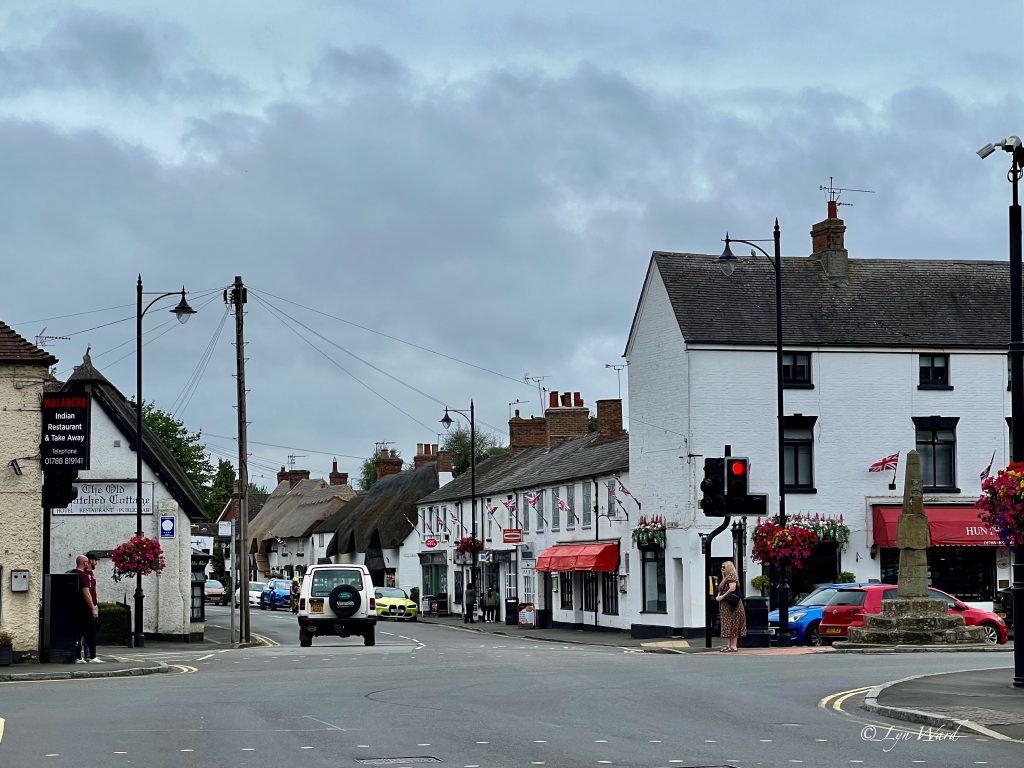
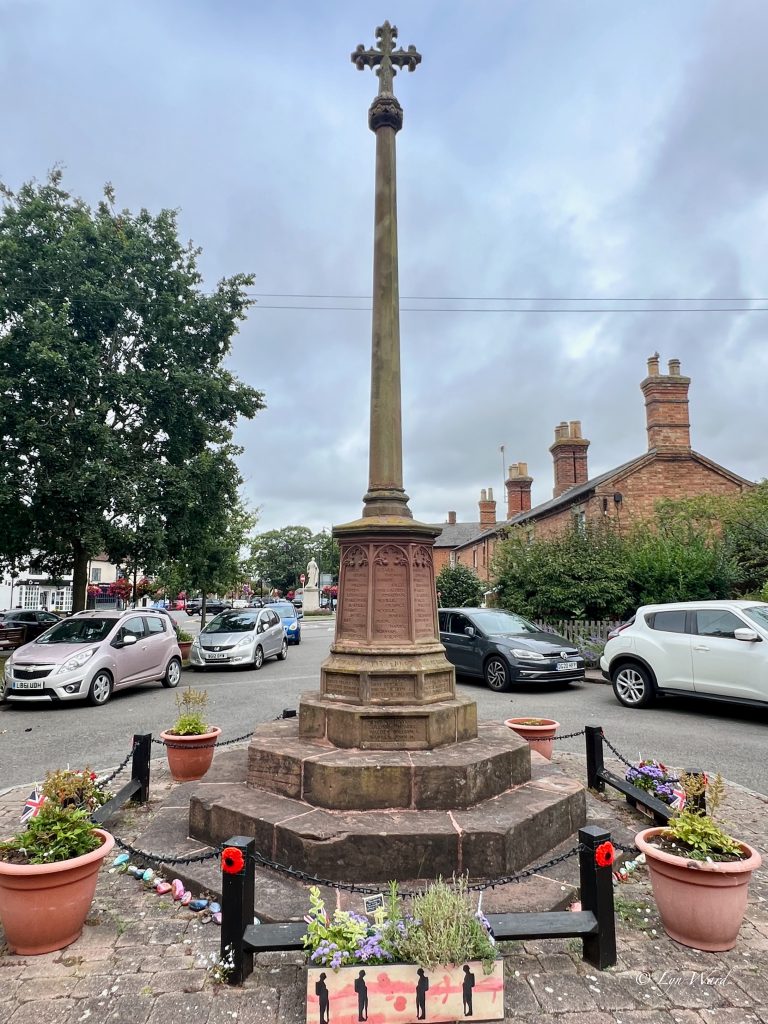
Once a major stop on the old coach road from London, Dunchurch was famed for its hospitality. At its height, an astonishing 27 alehouses catered to weary coach passengers and horses alike. Today, the number has dwindled, but the spirit remains. The Dun Cow, a former coaching inn, still offers a warm welcome, while The Green Man continues to serve as a relaxed meeting place for locals and visitors. Order a drink, and you are quite literally following in the footsteps of generations of travellers.
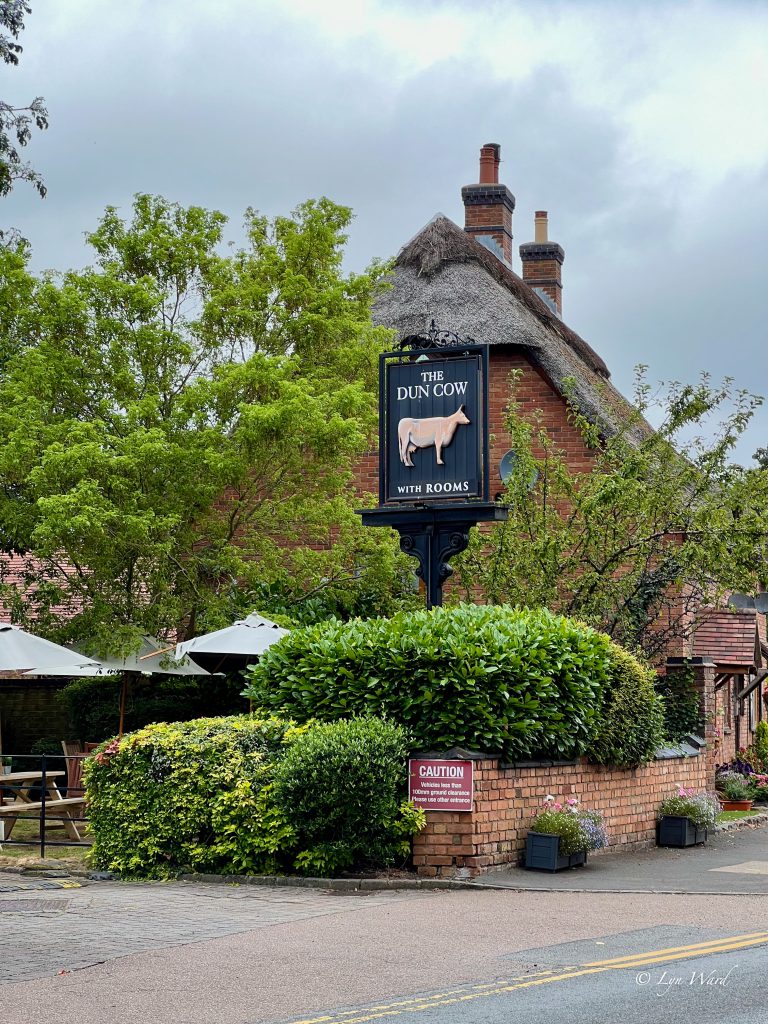
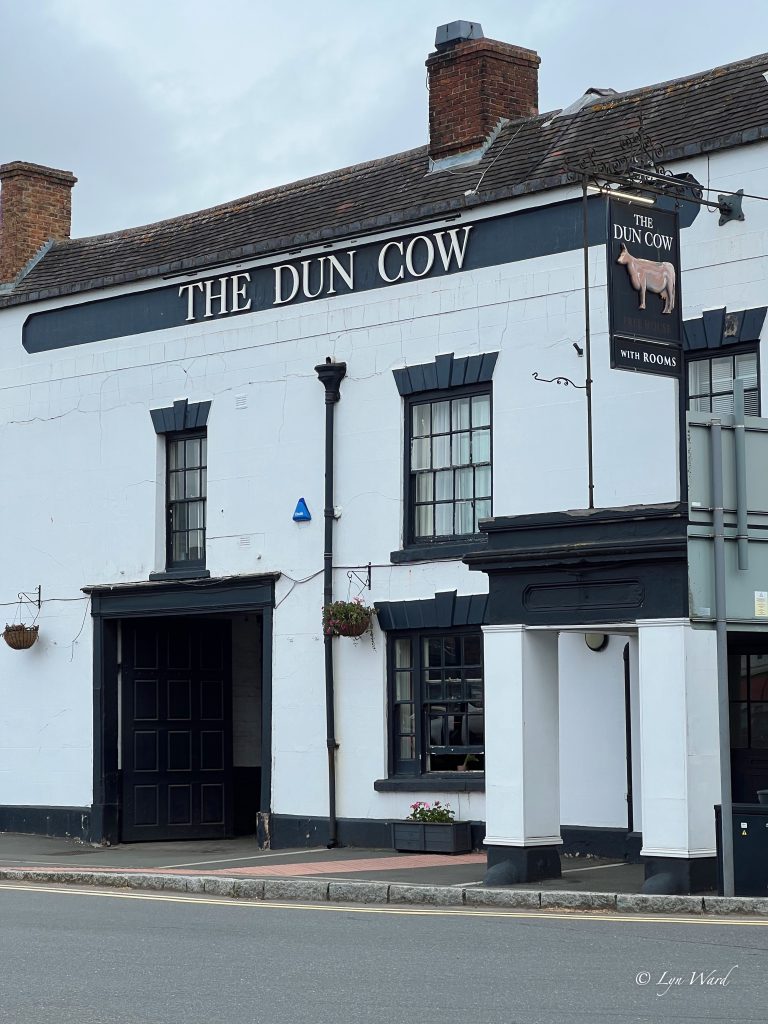
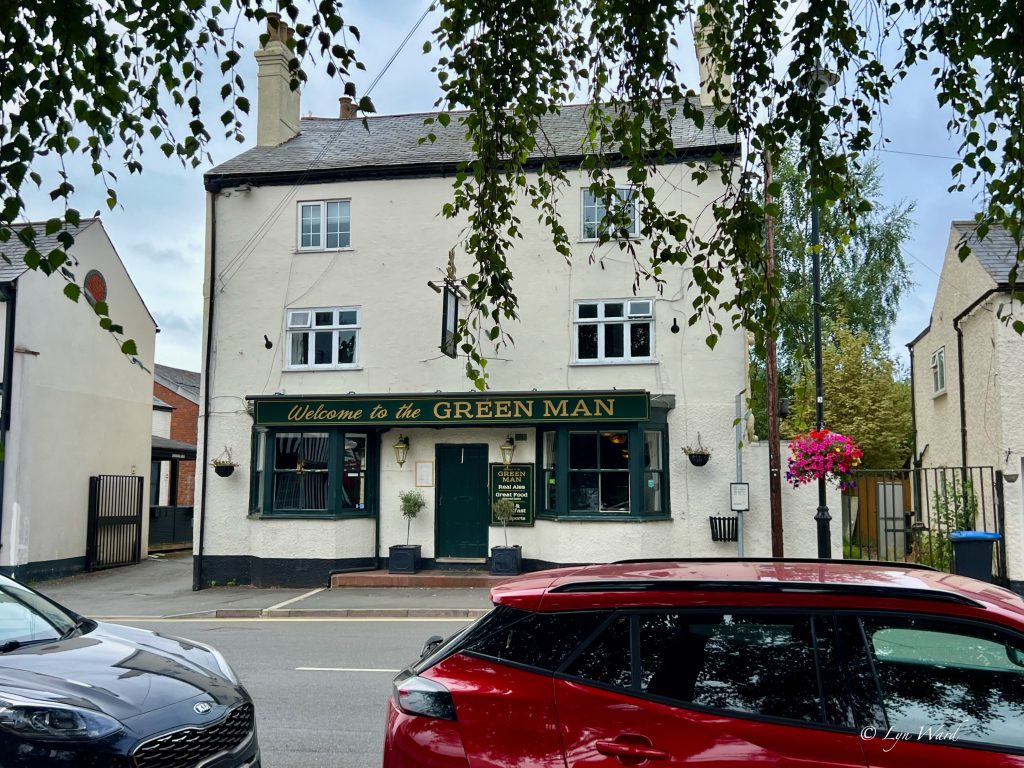
History here isn’t hidden behind glass — it stands boldly along the street. Guy Fawkes House, once an inn, is said to have sheltered conspirators fleeing after the Gunpowder Plot, giving the village a tantalising connection to one of Britain’s most dramatic historical episodes.
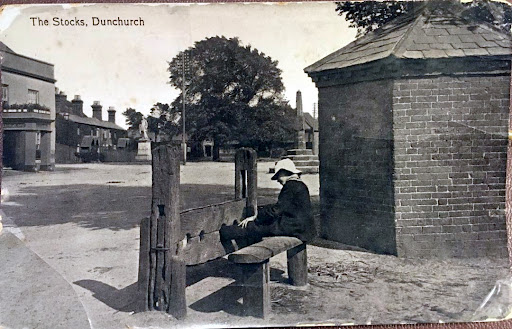
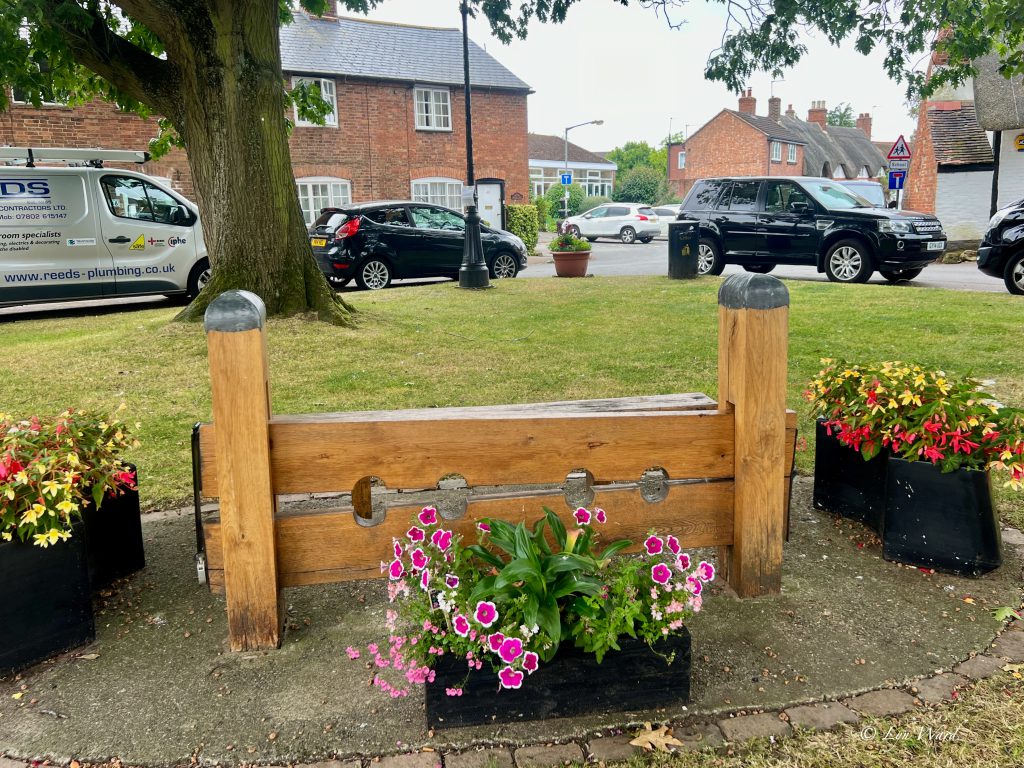
Nearby, the village green tells quieter but no less memorable stories. Until 1972 it housed stocks and a small gaol, remembered today for its final inmate, Peter Murcott, who famously drank beer through a straw passed to him from outside — a tale that captures Dunchurch’s gently mischievous character.
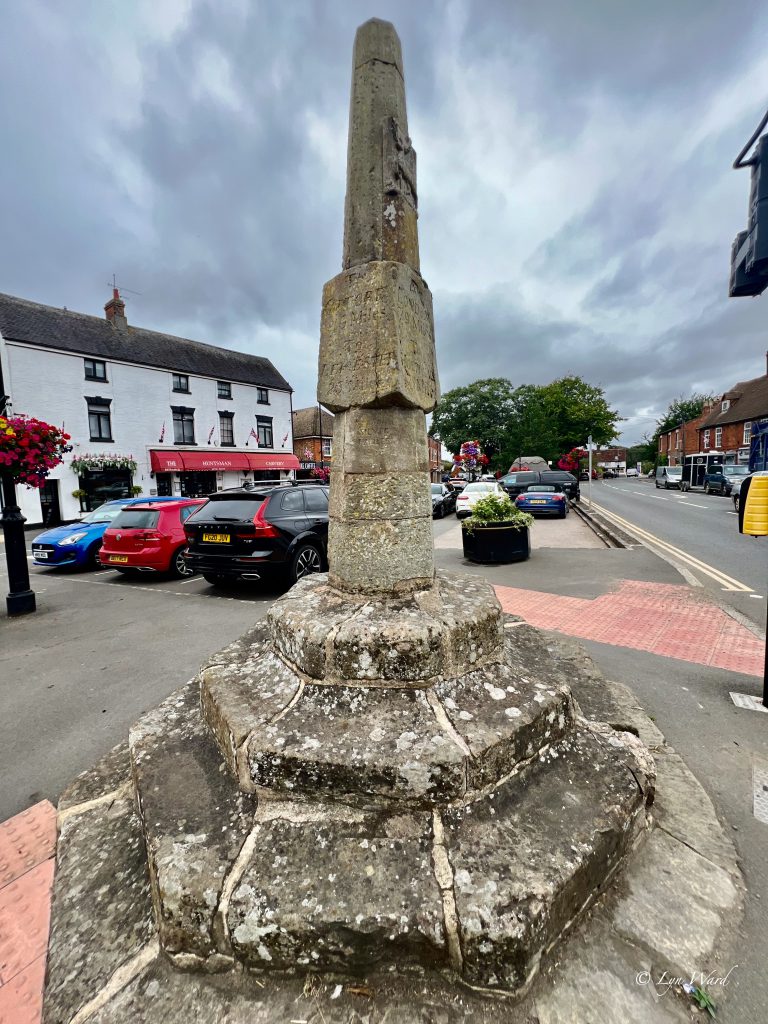
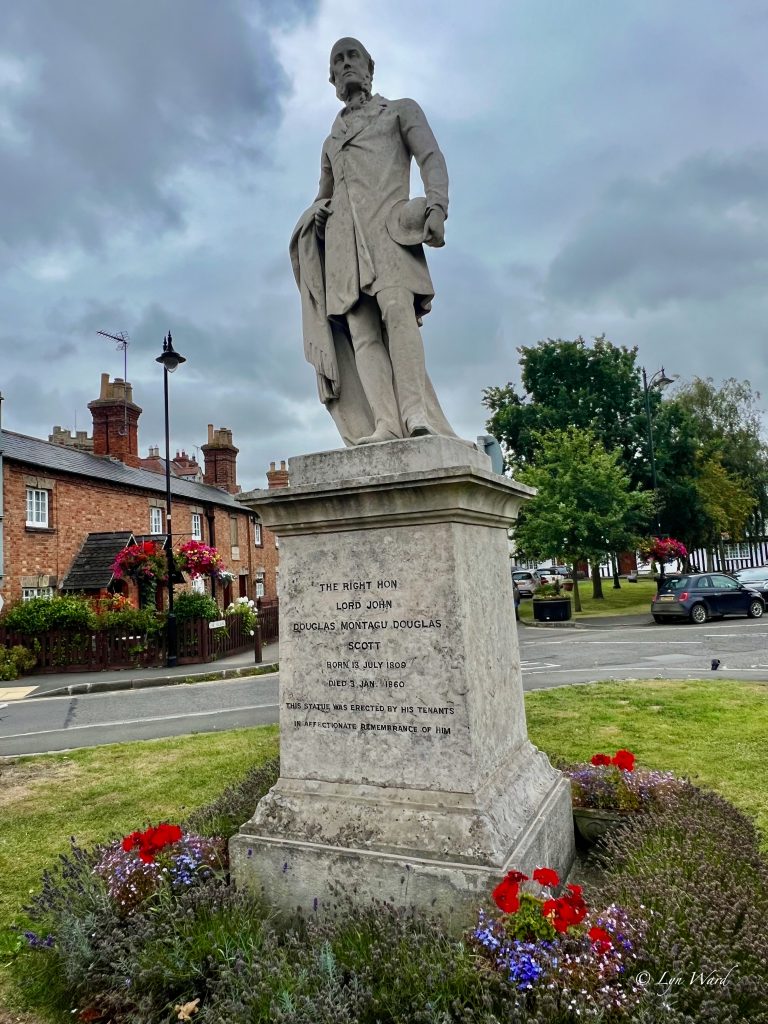
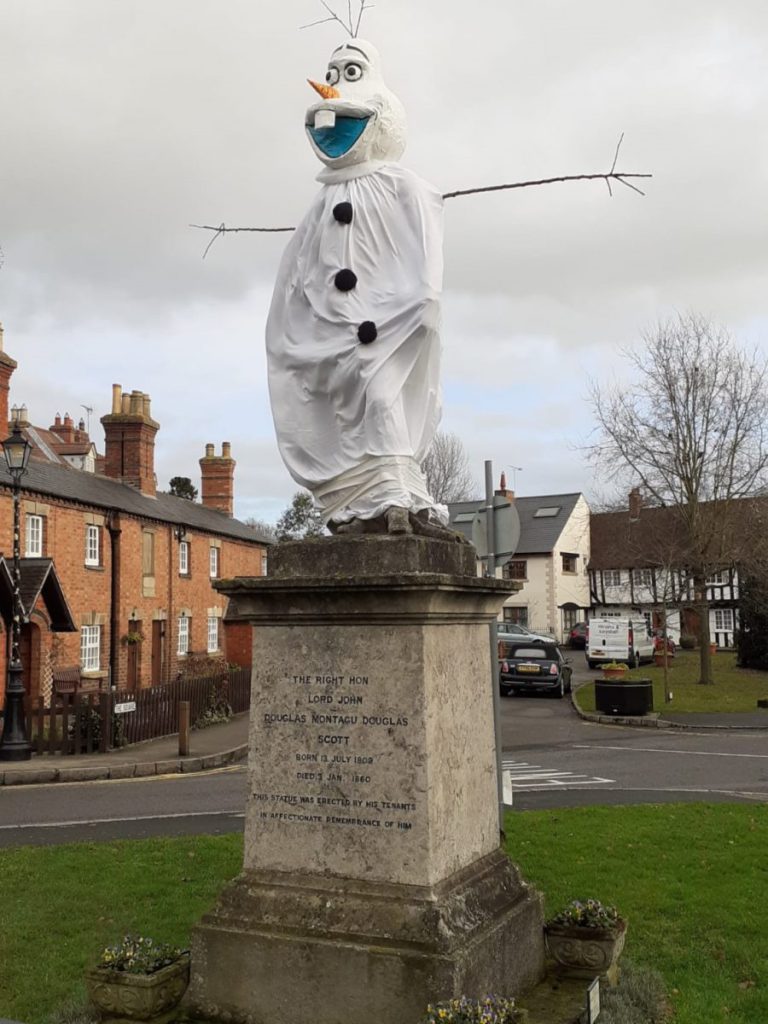
At the crossroads, visitors are greeted by the statue of Lord John Scott, a local landowner whose presence has become part of village tradition. Each Christmas, the statue is festively dressed, a charming custom that perfectly reflects Dunchurch’s blend of formality and fun.
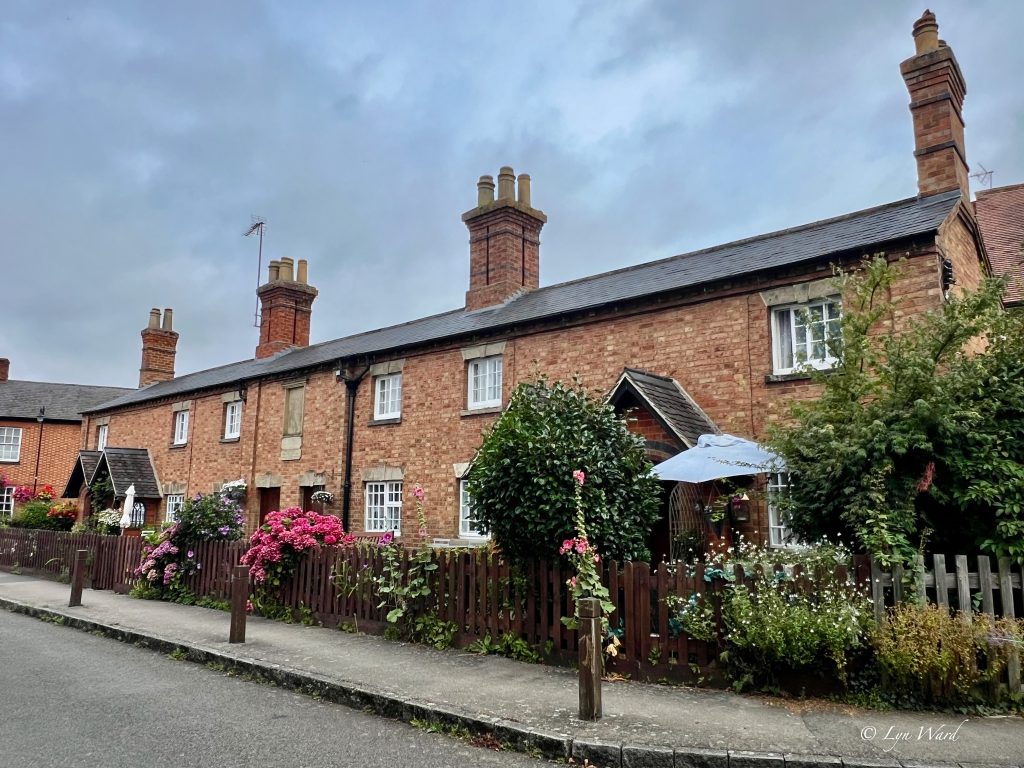
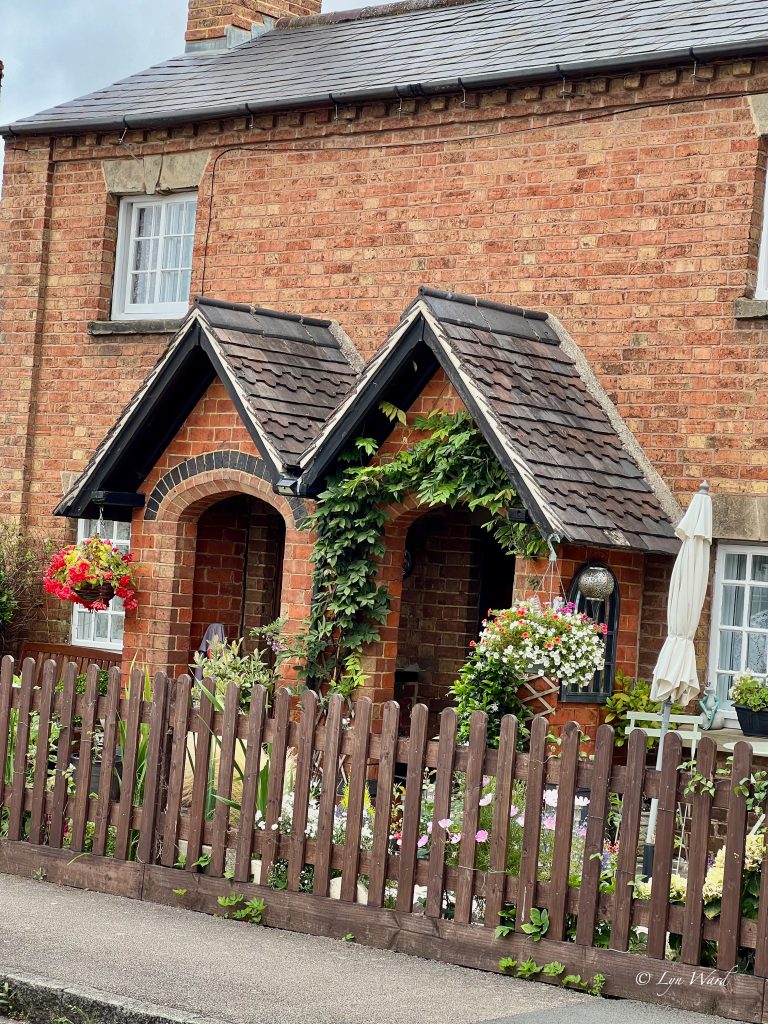
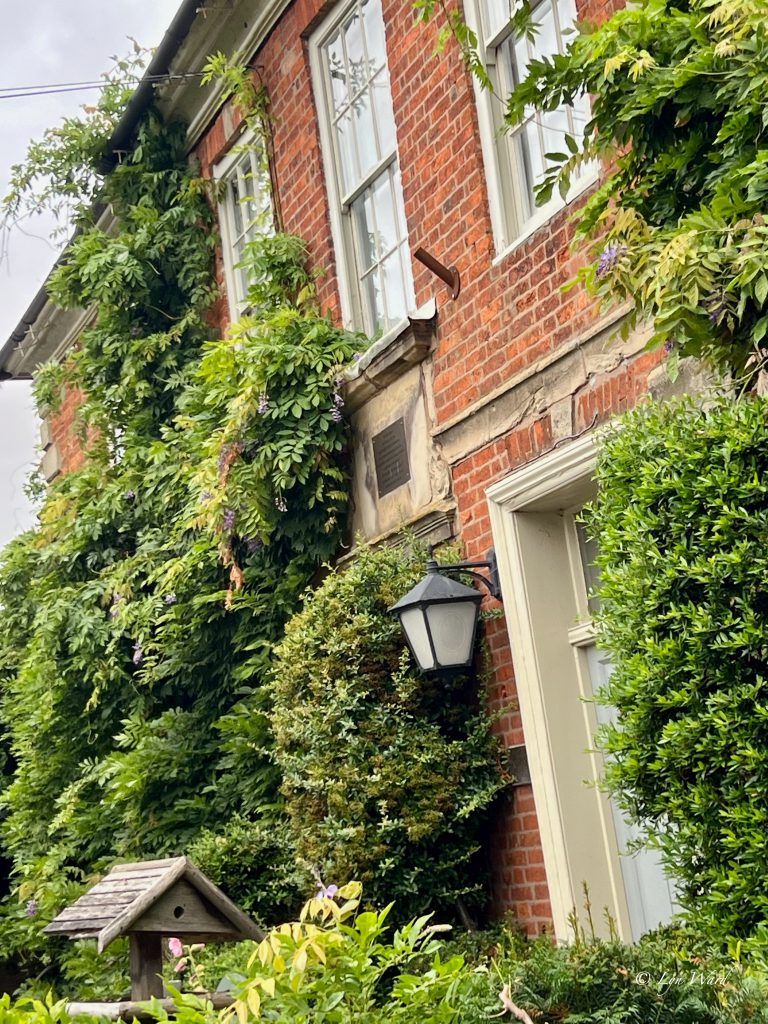
Wander further and the village’s architectural layers unfold. The 17th-century almshouses, sensitively modernised, sit alongside thatched cottages and elegant family homes. Former schools have been repurposed into private residences, while the site of the girls’ and infants’ school, built in 1837, has returned to the churchyard — a poignant reminder that in Dunchurch, history often comes full circle.
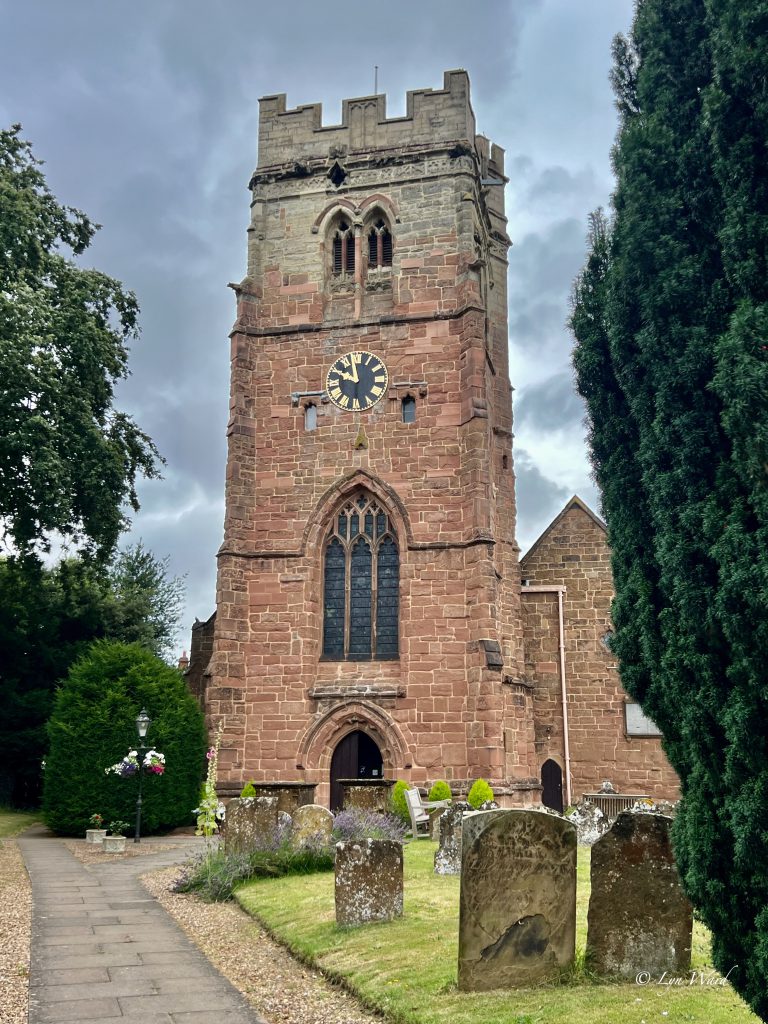
At the heart of it all stands St Peter’s Church, also recorded in the Domesday Book. With its centuries-old memorials and peaceful interior, it remains central not just to village life but to the sense of continuity that defines the place. Even those with only a passing interest in history will find themselves pausing here, absorbing the quiet weight of time.
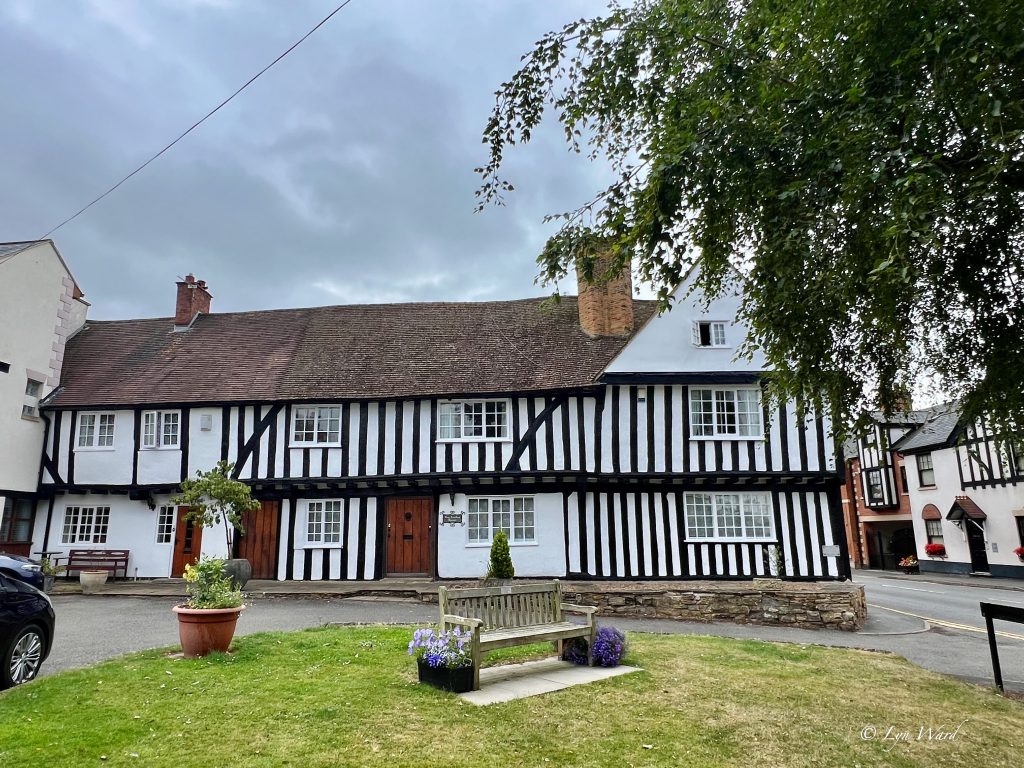
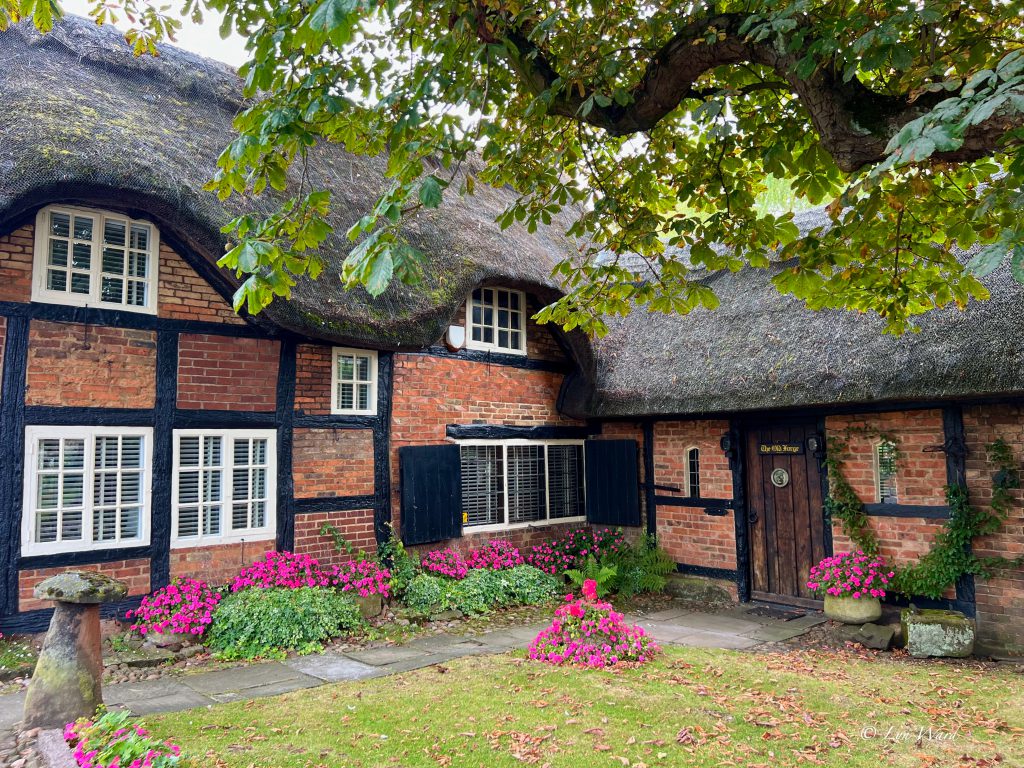
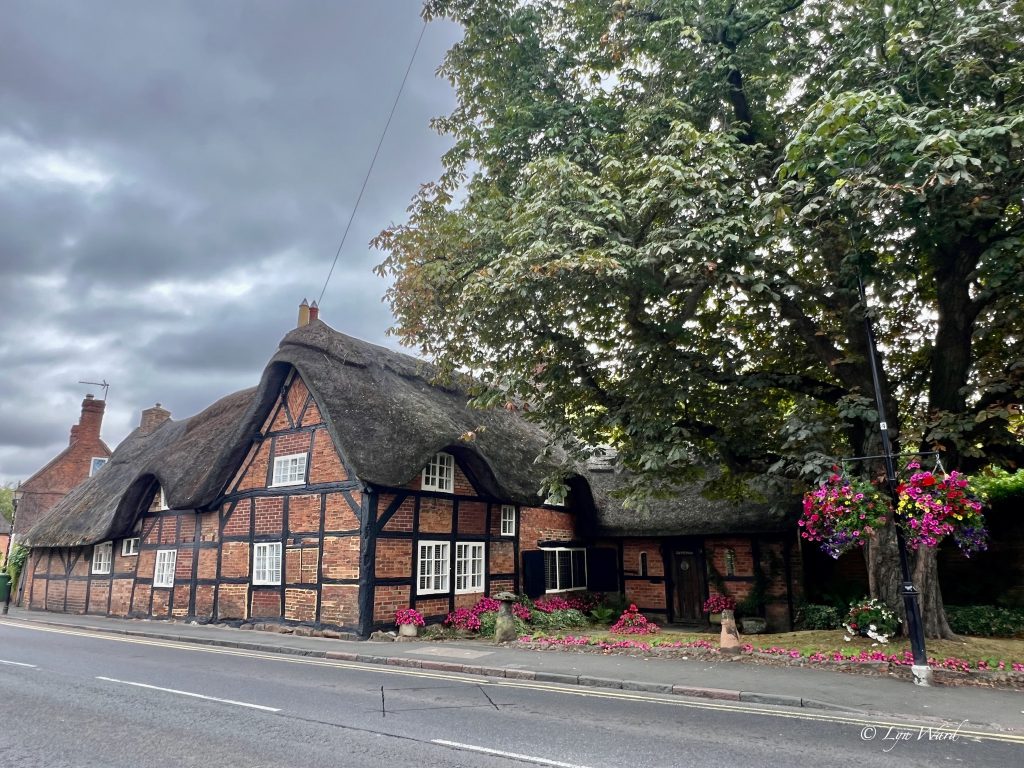
A very old, timber-framed, thatched cottage stands as one of Dunchurch’s most evocative buildings, thought to pre-date the construction of St Peter’s Church itself. Local legend suggests that monks from Pipewell Abbey lived here while overseeing the building of the church during the reign of Edward III (1312–1377), around 1332. Over more than seven centuries, the cottage has continually adapted to village life, serving at various times as a priest’s house, a farmhouse, a blacksmith’s workshop and even a café. It is also reputed to be the smithy and chestnut tree of Longfellow’s famous poem “The Village Blacksmith”. Today, the building is a warm and comfortable family home, still retaining many distinctive features from its days as a smithy — a tangible link to the many lives it has quietly witnessed.
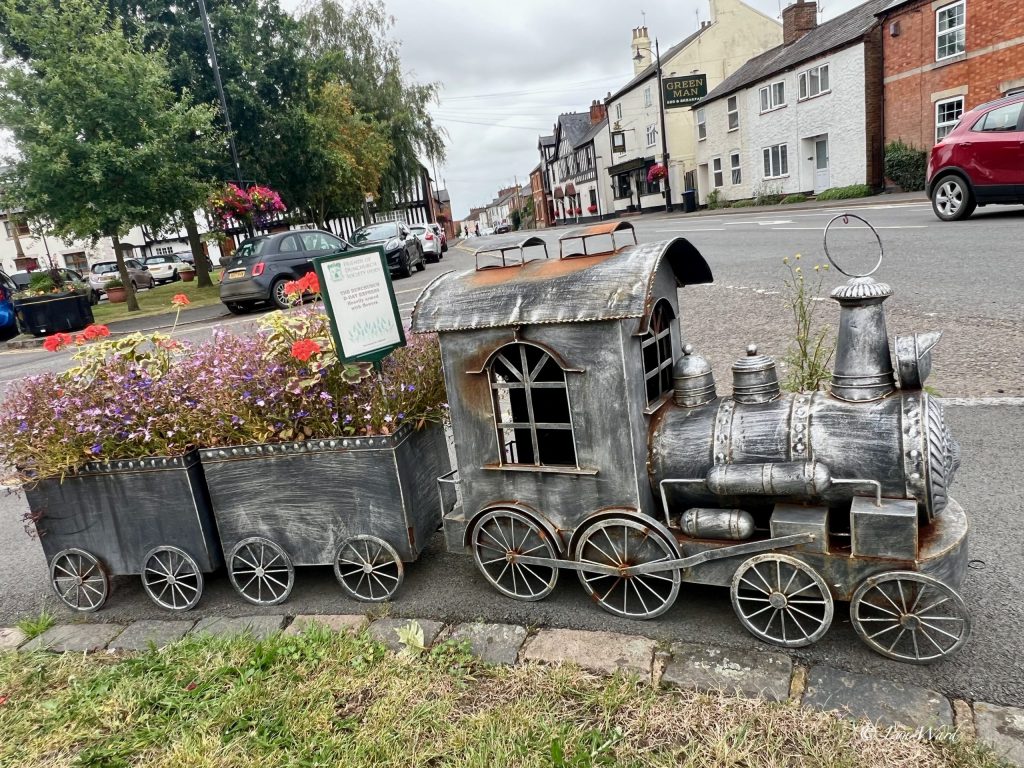
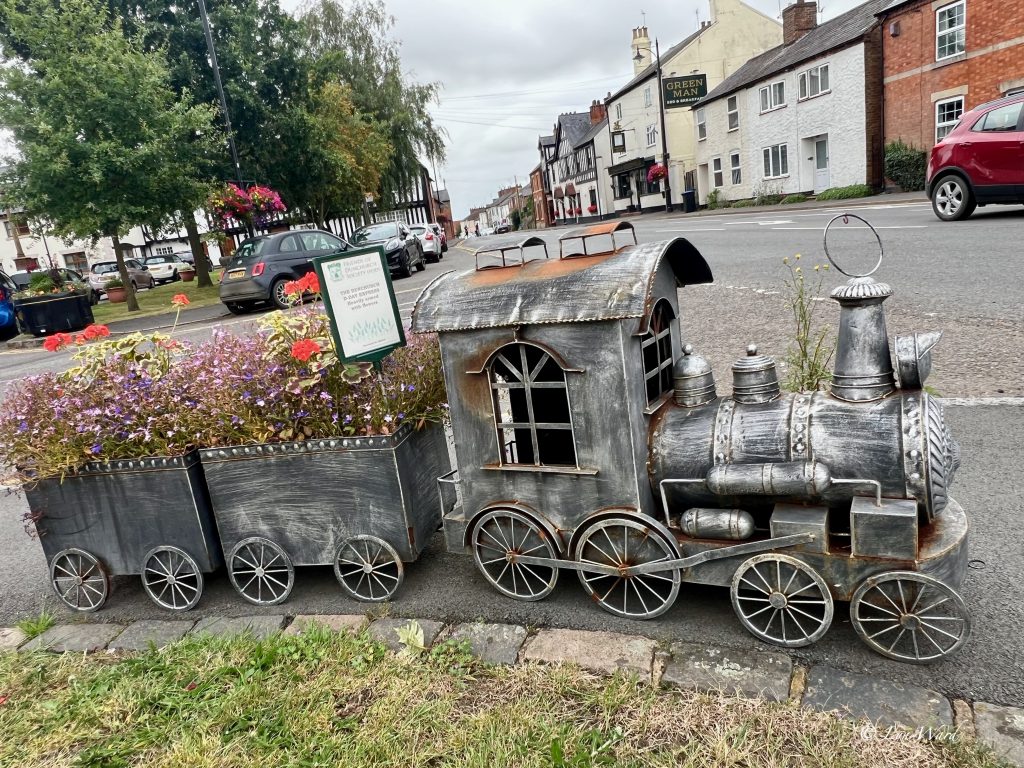
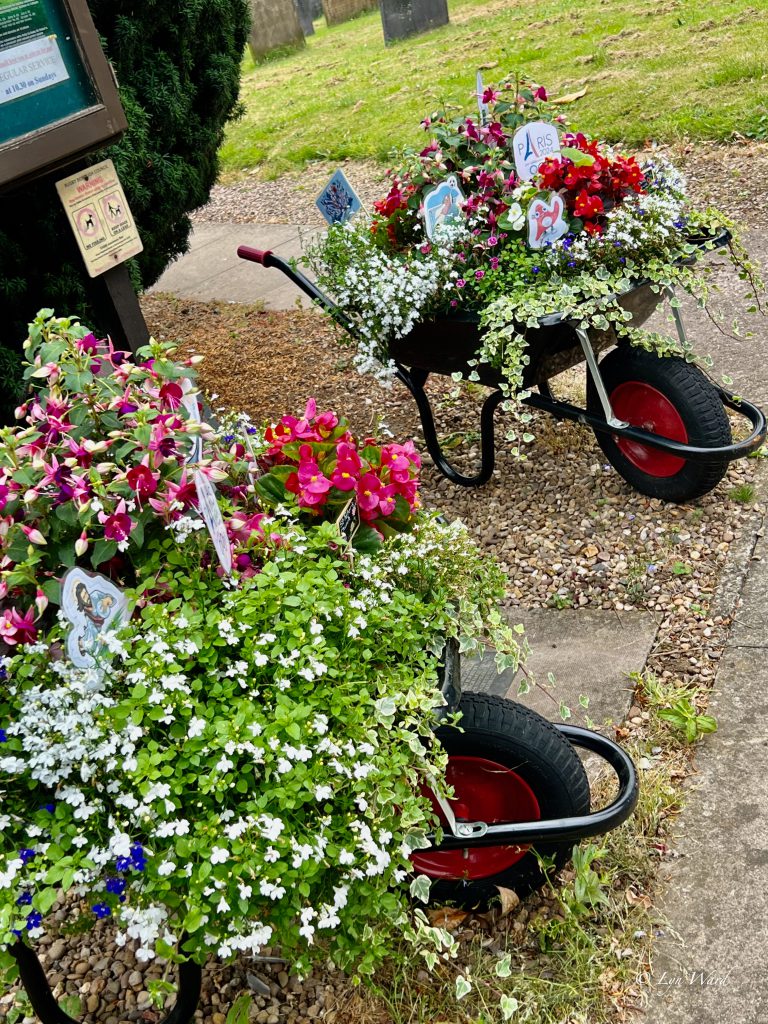
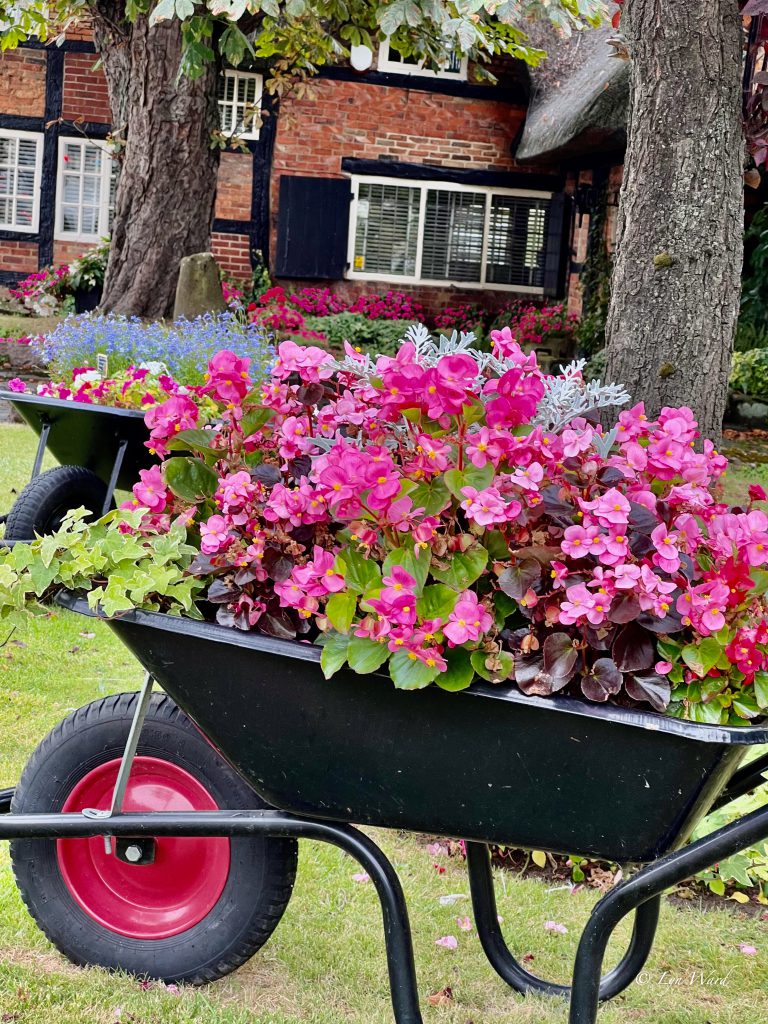
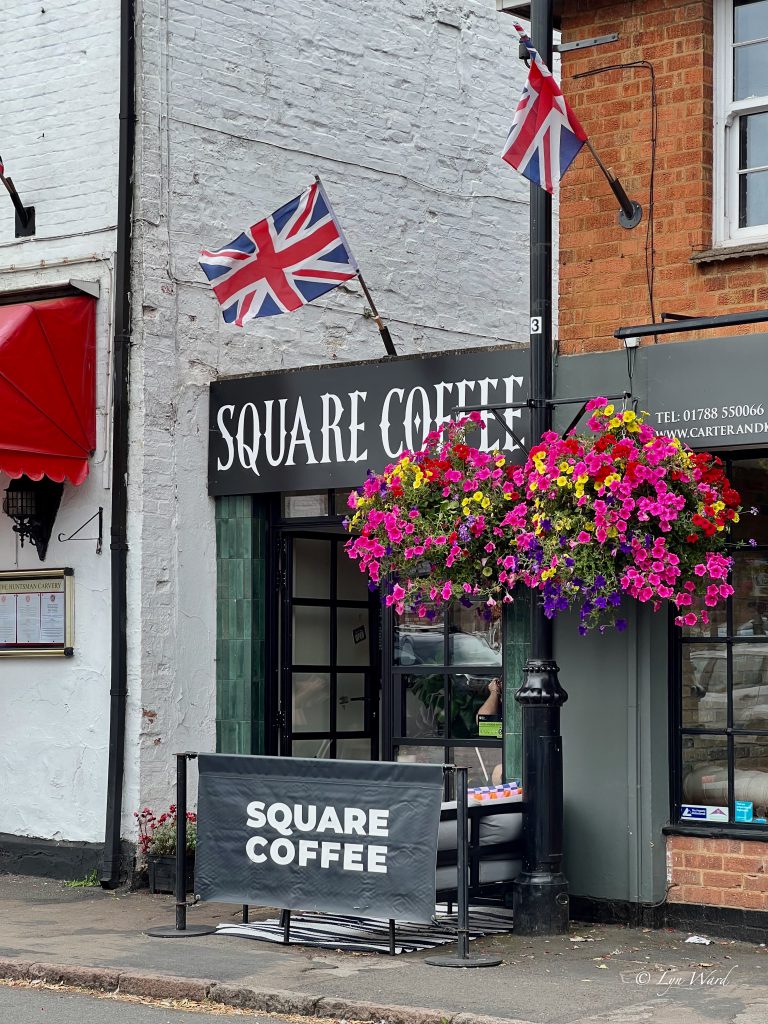
Adding to Dunchurch’s charm are the flower-filled wheelbarrows and displays placed around the village, each brimming with seasonal colour. Thoughtfully positioned along streets, near shops and by the village green, they soften the historic streetscape and offer cheerful, unexpected photo opportunities. More than simple decoration, these displays reflect the pride locals take in their surroundings, turning everyday corners into small moments of delight for visitors wandering through the village.
Dunchurch’s outlook has never been insular. In 1987, the village twinned with Ferrières-en-Brie in France, forging enduring friendships that continue through regular exchanges and shared celebrations — proof that this historic village still looks outward.
For today’s visitor, Dunchurch is as practical as it is picturesque. Hotels, restaurants, cafés and takeaways offer plenty of choice, while 16 independent shops add life and convenience to the village centre.
Whether you arrive for a leisurely lunch, a countryside stroll or a deeper dive into English village history, Dunchurch rewards unhurried exploration. It is a place where past and present sit side by side — and where every visitor becomes part of a story that has been unfolding for nearly a thousand years.
Sources & Further Reading
Anglo-French twinning records (1987) – Background to the Dunchurch–Ferrières-en-Brie partnership
The Warwickshire Village Book – Primary reference for Dunchurch’s social, architectural and community history
Domesday Book (1086) – Early record of Dunchchurch, listed as Don Cerce
Local parish and village history records – Information on the coaching road era, former alehouses, village green, gaol and almshouses
St Peter’s Church archives and memorials – Insight into the church’s long-standing role and historic significance
Local tradition and oral history – Stories associated with Guy Fawkes House, Peter Murcott, and long-held village customs