
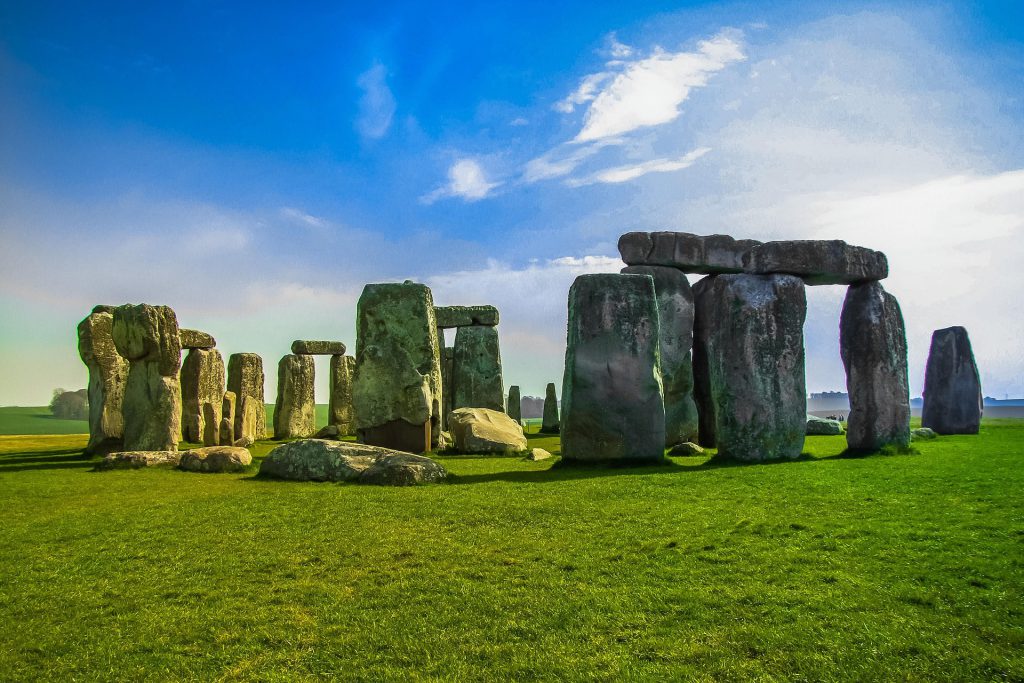

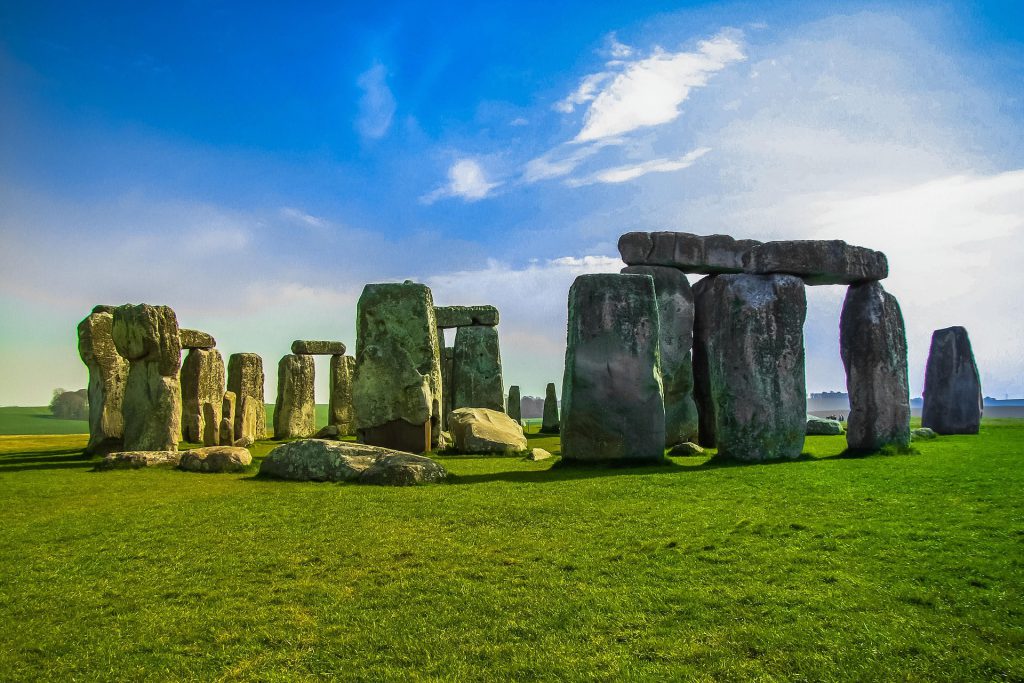
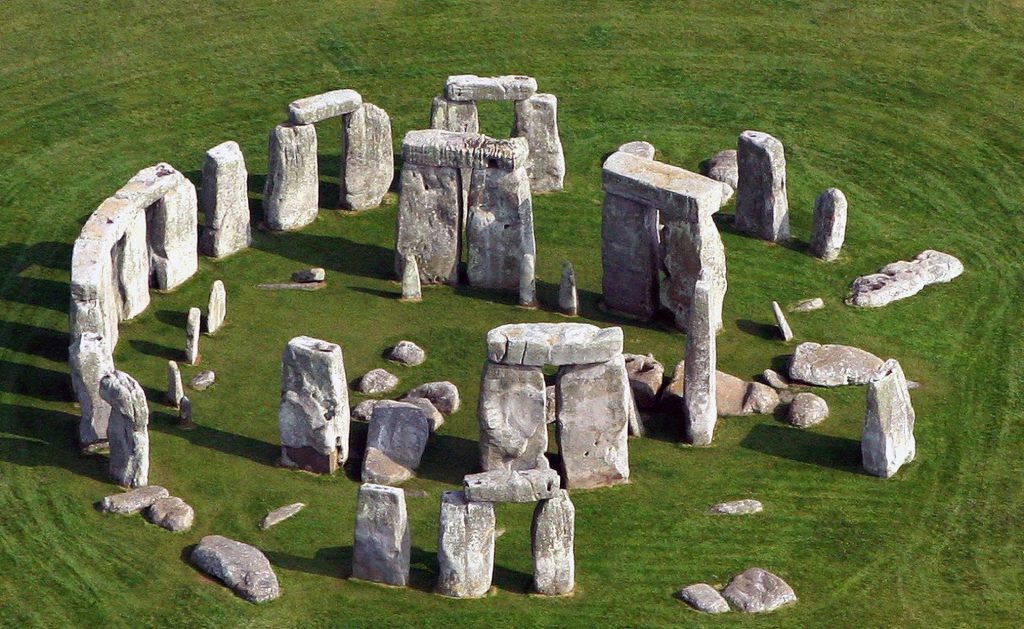
Few landmarks in the world spark the imagination quite like Stonehenge. Rising from the windswept grasslands of Salisbury Plain, this extraordinary prehistoric monument has fascinated travellers, historians and archaeologists for centuries. More than 4,500 years old, Stonehenge remains one of Britain’s most iconic and mysterious sites, drawing visitors from across the globe who come to stand in the shadow of its towering stones and wonder how—and why—it was built.
Located in the county of Wiltshire and easily reached from London, Stonehenge forms part of a vast prehistoric landscape that tells the story of ancient Britain. From burial mounds and ceremonial avenues to hidden archaeological discoveries beneath the soil, the wider area reveals that this was once a thriving centre of ritual and community life thousands of years ago.
A Monument Older Than History
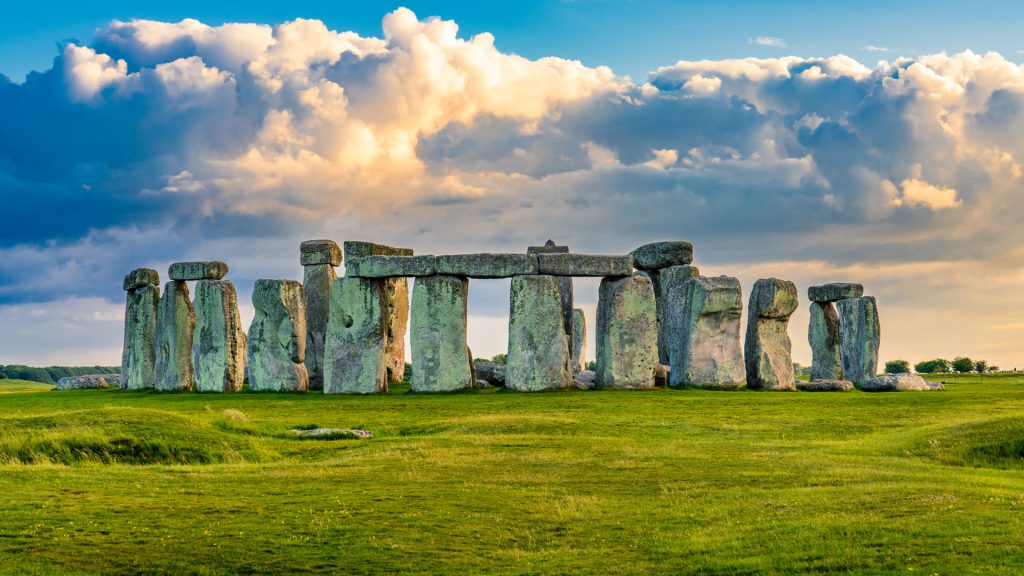
Construction of Stonehenge began around 3000 BC, during the late Neolithic period. However, the monument we see today was not created in a single phase. Instead, it evolved over many centuries through several stages of construction and redesign.
The earliest version of Stonehenge likely consisted of a circular earthwork enclosure and a ring of pits known as the Aubrey Holes. Over time, massive stones were transported to the site and carefully arranged to form the iconic circle that now defines the monument.
Two main types of stone were used. The enormous outer stones, known as sarsens, weigh up to 25 tonnes each and were probably brought from the Marlborough Downs about 20 miles away. The smaller “bluestones” travelled an even more remarkable journey, believed to have originated in the Preseli Hills of Wales, nearly 150 miles from the site.
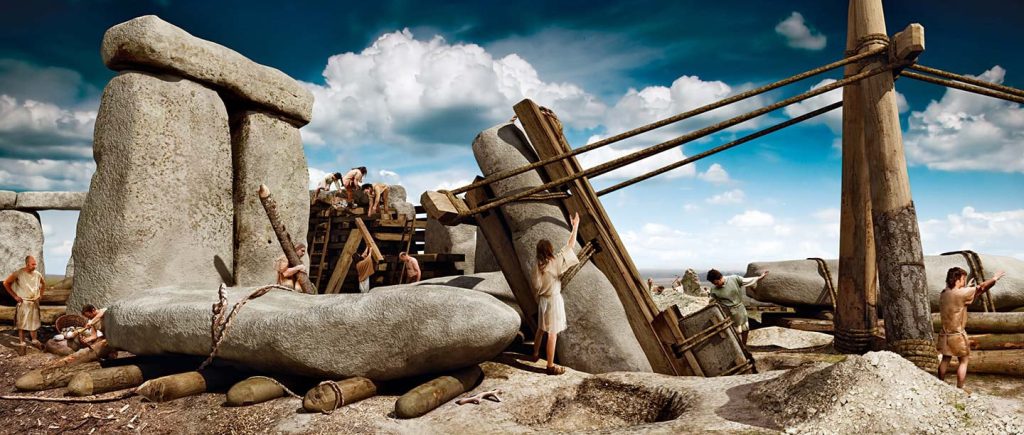
Exactly how Neolithic builders moved these stones remains one of archaeology’s most enduring puzzles. Without modern machinery, ancient communities likely relied on wooden sledges, rollers, ropes and sheer human effort to transport and raise the stones.
A Landscape of Ritual and Ceremony
Stonehenge does not stand alone. It forms part of the wider Stonehenge, Avebury and Associated Sites, one of the most important prehistoric landscapes in Europe.
Across Salisbury Plain, archaeologists have uncovered ancient burial mounds, processional pathways and ceremonial structures that suggest the area held deep spiritual significance. One of the most notable features is the Avenue, a prehistoric route linking Stonehenge to the nearby River Avon, believed to have played a role in ancient rituals.
These discoveries indicate that Stonehenge may have been part of a larger ceremonial complex used for gatherings, burials and seasonal celebrations.
Why Was Stonehenge Built?
Despite centuries of research, the true purpose of Stonehenge remains uncertain. Over the years, historians and archaeologists have proposed numerous theories.
One widely accepted idea is that the monument served as a ceremonial or religious site, where ancient communities gathered for rituals connected to life, death and the changing seasons.
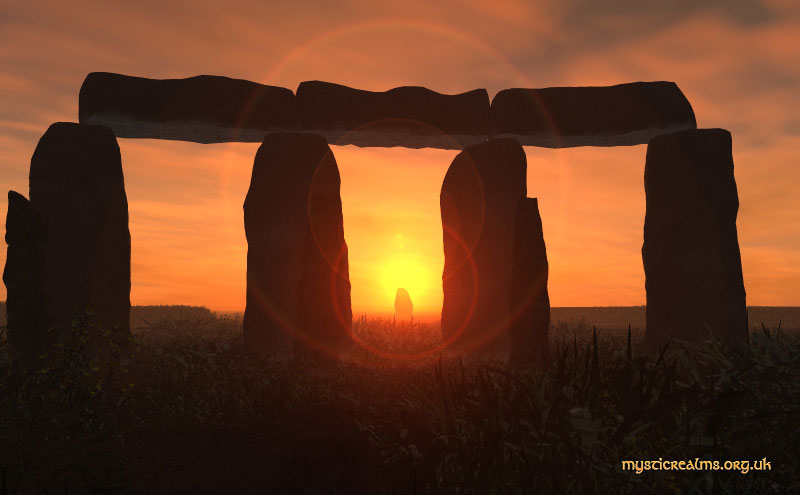
Another theory suggests that Stonehenge functioned as a prehistoric astronomical observatory. The stones align closely with the rising sun during the summer solstice and the setting sun during the winter solstice, suggesting that the monument may have been used to track important seasonal events.
Some researchers also believe Stonehenge may have been a place of healing, pointing to the possible mystical significance of the Welsh bluestones and evidence that people travelled long distances to reach the site.
Rediscovery and Preservation
After the prehistoric period, Stonehenge gradually fell into decline and mystery. By the medieval era, its origins were largely forgotten, and myths began to emerge. Some legends claimed giants had built the monument, while others attributed it to ancient wizards.
Serious scholarly interest in Stonehenge began in the 17th century, when antiquarians started documenting and studying the site. By the 19th century, growing awareness of its historical importance led to early preservation efforts.
Today, Stonehenge is protected and managed by English Heritage, ensuring that this remarkable monument is preserved for future generations.
Visiting Stonehenge Today
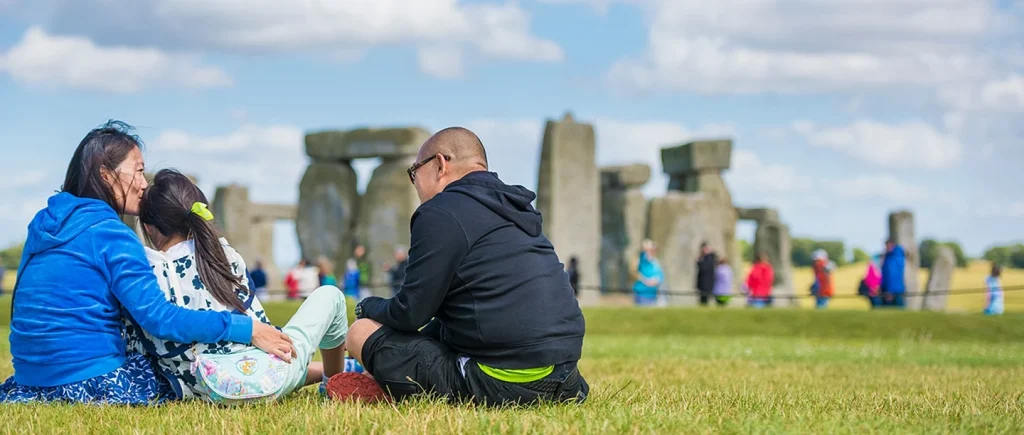
Each year, close to a million people visit Stonehenge, making it one of the most popular historic attractions in the United Kingdom. The experience of seeing the monument in person is unlike anything else. The stones appear suddenly across the open landscape, their scale and presence far more striking than photographs can convey.
Visitors can explore the modern visitor centre, which offers exhibitions on prehistoric life, archaeological discoveries and the construction of the monument. From there, a short shuttle ride or walk brings visitors close to the stone circle itself.
Many travellers choose to bring a picnic and enjoy the peaceful surroundings of Salisbury Plain, where the quiet countryside provides a fitting backdrop to one of the world’s most mysterious ancient landmarks.
The Magic of the Summer Solstice
One of the most extraordinary moments at Stonehenge takes place during the summer solstice, when thousands of people gather before dawn to witness a spectacle that has likely been observed here for millennia. For many, the solstice marks a deeply spiritual occasion and the symbolic turning point from spring into summer.
The design of the monument plays a remarkable role in this event. Built around 2500 BC, the alignment of the stones means that on the morning of the summer solstice the sun rises directly behind the monument’s famous Heel Stone. As the first light of day appears on the horizon, the sun’s rays shine through the ancient stone circle and into the very heart of Stonehenge, creating a breathtaking moment that continues to captivate visitors thousands of years after the monument was first built.
Sources: English Heritage/Historic England/UNESCO
Other articles that may interest you:
The Ultimate Guide to Stonehenge
Britain from the Air – Stonehenge