
Travelling across Europe isn’t only about ticking off famous cities. Often, the moments that stay with people are the smaller experiences along the way – a walk along a harbour path in Devon, a train gliding through a quiet Alpine valley, or an afternoon cycling between vineyards and old villages.
The continent offers countless ways to explore at ground level, from England’s rugged southwest coast to the lively Greek islands and the vibrant Mediterranean resorts of Spain. Some journeys centre on dramatic scenery, while others highlight culture, food, or active exploration. Together, they show just how varied European travel can be when travellers step beyond the most obvious routes.
Relax in a Luxury Coastal Retreat in Devon
Devon’s coastline feels different from the rest of southern England. The cliffs around the South West Coast Path rise sharply above the sea, and small fishing towns sit in sheltered coves where boats still leave the harbour early in the morning.
Places like Salcombe and Dartmouth are particularly good bases for exploring the area. From Dartmouth’s historic harbour, ferries cross the River Dart toward Kingswear while walking paths lead up to Dartmouth Castle overlooking the estuary.
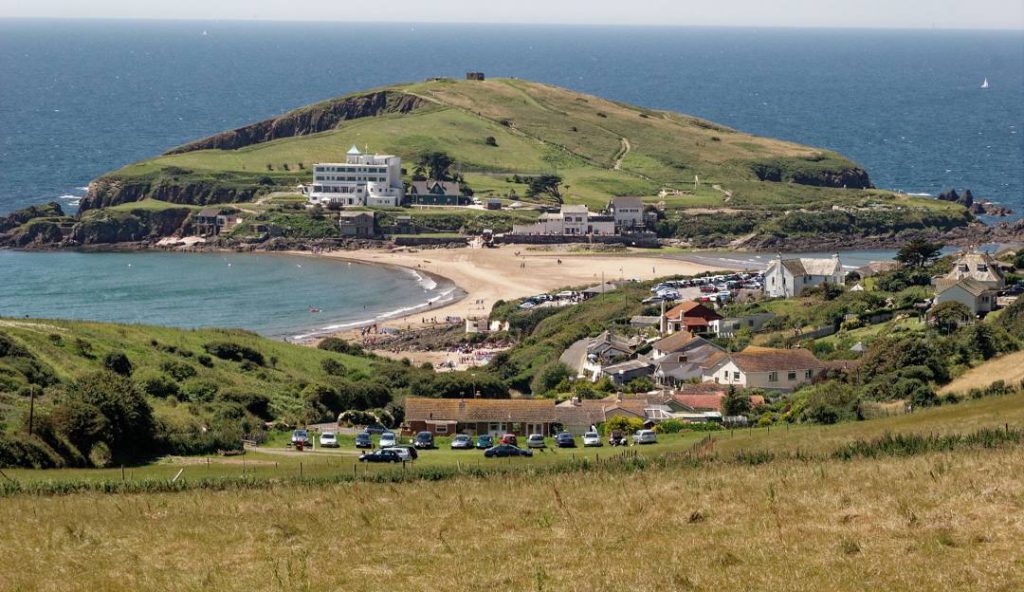
Families or groups travelling together may want to stay in a large holiday home in Devon. Properties near areas such as Hope Cove, Bigbury-on-Sea, or along the quiet coastal lanes outside Salcombe often offer easy access to the South West Coast Path and nearby beaches. Staying in these parts of Devon makes it easy to step straight out for coastal walks, explore small seaside villages, or spend relaxed afternoons by the water. Larger homes also make it easier to explore places like Bantham Beach or Burgh Island without constantly moving between hotels.
From these coastal villages, it’s easy to spend a day walking along cliff paths or visiting nearby towns. Totnes, further inland along the River Dart, has a busy market street and a Norman castle overlooking the town centre. The drive between the coast and the countryside takes less than an hour.
Take a Scenic Train Journey Through the Swiss Alps
Switzerland’s railway system reaches places that would be difficult to explore by road. Trains climb gradually through valleys before crossing high mountain passes where villages sit beneath steep peaks and glacier-fed rivers run alongside the tracks.
One of the most iconic routes runs between Zermatt and St. Moritz on the Glacier Express. The journey passes through the Oberalp Pass, where snow can still sit along the slopes in early summer. As the train moves through the Rhine Gorge near Disentis, the valley narrows into a steep canyon that locals often call the “Swiss Grand Canyon”.
Travellers often break the trip in smaller towns along the way. Andermatt sits at the meeting point of several Alpine passes and has easy access to walking trails leading into the Ursern Valley. Brig, further west, offers a different atmosphere with its old town streets and Stockalper Palace close to the station.
Because most of these places are linked by regular rail services, travellers can move between them without needing a car, which makes exploring the Alps surprisingly straightforward.
Explore the Continent on a Guided Cycling Adventure
Cycling is one of the best ways to see parts of Europe that trains and cars pass straight through. Many regions have well-maintained cycle routes linking villages, farmland, and historic towns. The Loire Valley in France is one example. Cyclists follow quiet roads between vineyards, passing places like Amboise and Chenonceau where châteaux sit directly along the river.
Fun cycling trips in Europe often include well-marked routes that pass through vineyards, historic villages, and scenic countryside, allowing cyclists to explore regions at a relaxed pace while stopping for local food, cultural sites, and panoramic viewpoints along the way. These trips often follow established cycling corridors such as the Danube Cycle Path in Austria or routes linking the small towns of northern Italy’s Veneto region.
Cyclists travelling between towns like Krems and Melk in Austria often stop at riverside markets or small bakeries in the town squares. The terrain is usually gentle along these river routes, which makes them manageable even for people who don’t cycle long distances at home.
Island Hop Across the Traditional Villages of Greece
Greek island hopping still feels like a proper journey rather than a quick holiday. Ferries connect dozens of islands across the Cyclades, and most routes run through the port of Piraeus near Athens. From there, travellers often start with islands such as Naxos or Paros before continuing further south.
Paros is known for the harbour town of Parikia, where narrow lanes climb uphill from the waterfront towards the Panagia Ekatontapiliani church. Ferries arrive directly beside the old town, so travellers can walk from the port to the central square within minutes. Small bakeries and produce markets line the streets just behind the harbour.
From Paros, boats regularly run to nearby islands like Antiparos or Naxos. Naxos Town sits beside a large marble gate known as the Portara, which stands on a small peninsula just outside the harbour. Travellers often walk out to the gate at sunset before heading back through the old town’s hilltop streets, where stone stairways connect small neighbourhood squares. Ferries between these islands rarely take more than an hour, so it’s easy to visit several in a single trip.
Find the Best Boutique Stays and Nightlife in Zante
Zakynthos, usually called Zante by British travellers, has a reputation for lively nightlife, but the island also has quieter corners and small coastal villages that feel very different from the busy resort strip.
Visitors searching for the best places to stay in Zante often start by comparing areas such as Laganas, Tsilivi, and Zakynthos Town itself. Laganas sits along a wide sandy bay and is known for its nightlife, with streets running parallel to the beach. Tsilivi, further up the coast, has a slightly more relaxed feel with tavern-lined streets and easy access to the island’s northern beaches.
Zakynthos Town is worth exploring during the day. Solomos Square sits beside the harbour and connects directly to the seafront promenade. From there, streets climb uphill toward Bohali, a hillside neighbourhood with views across the port and the Ionian Sea.
Travellers often rent scooters or small cars to reach places like Porto Limnionas or the famous Navagio Beach viewpoint on the island’s northwest coast. The drive across the island rarely takes more than an hour, so it’s possible to combine beaches, villages, and nightlife within a short stay.
Which of these European adventures will you try first?
Europe offers plenty of ways to travel beyond its most famous capitals. Some journeys begin quietly on the cliffs of Devon, while others cross mountain passes in Switzerland or follow cycling paths through vineyards and historic towns. The Greek islands show how easily travellers can move between traditional harbours and village squares, while places like Zante combine beach landscapes with busy coastal towns.
Each experience reveals a different side of the continent, shaped by geography and local culture. The only real question left is which route someone chooses to start with.