
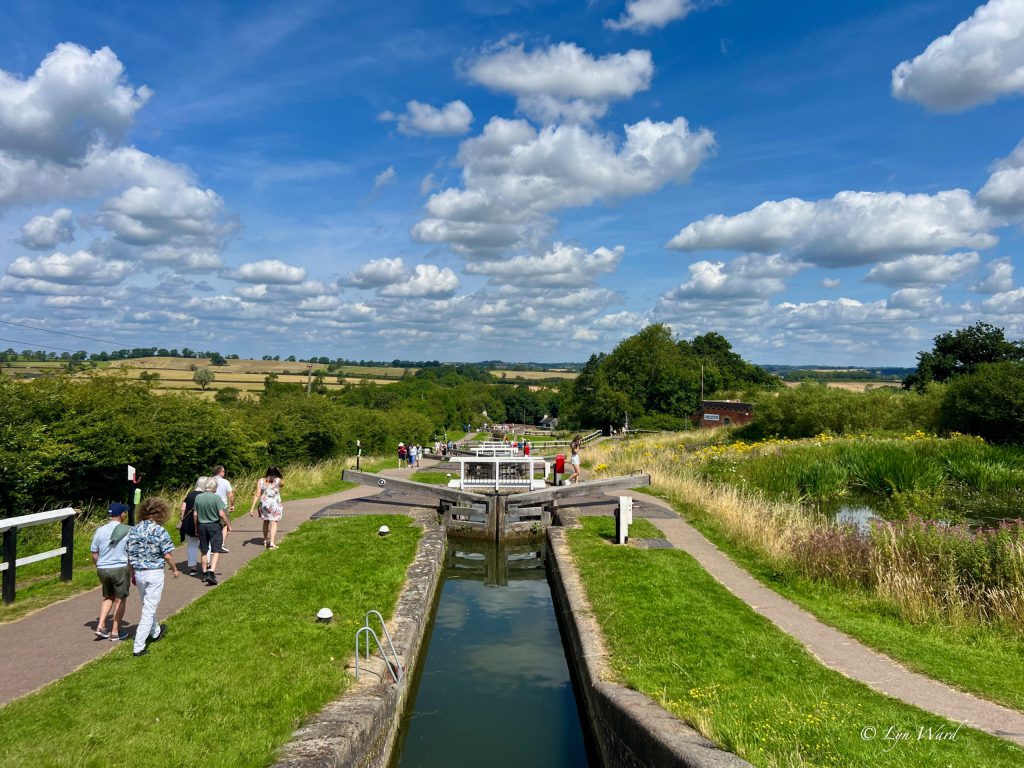

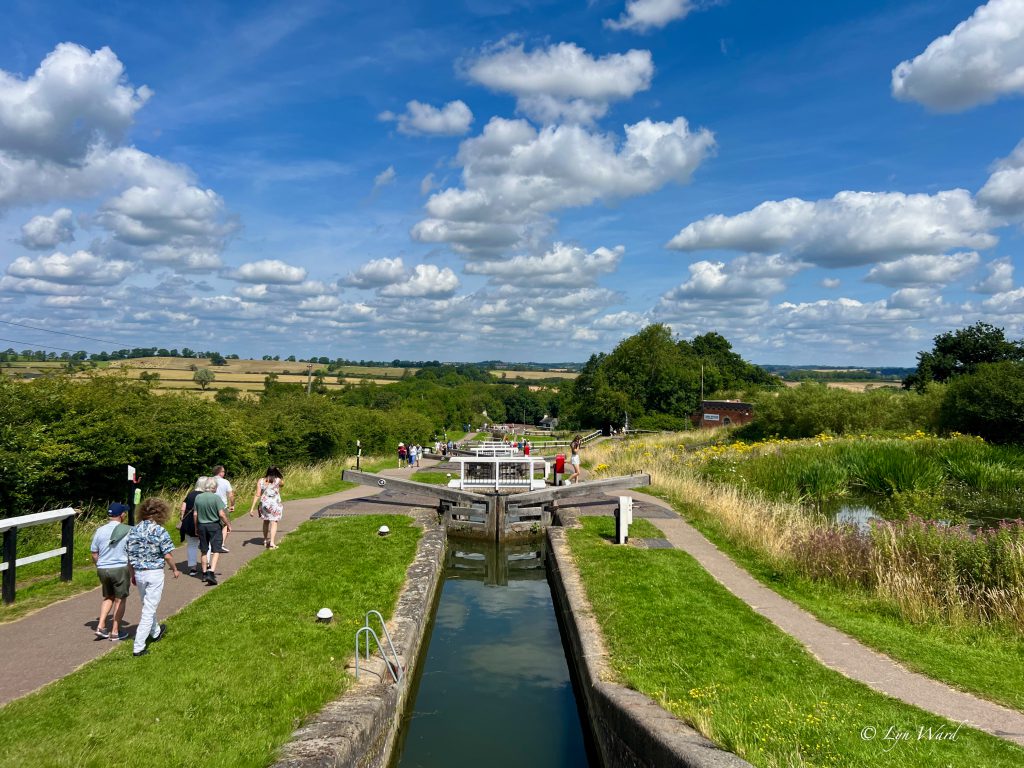
Set in the rolling countryside of Leicestershire, Foxton Locks offers one of the most fascinating waterside days out in Britain. This Grade II listed site is home to the longest staircase flight of locks in the country — a remarkable feat of engineering that has supported travel, trade and leisure for more than 200 years. Today, it’s a place where heritage, wildlife and relaxed canal-side life come together.
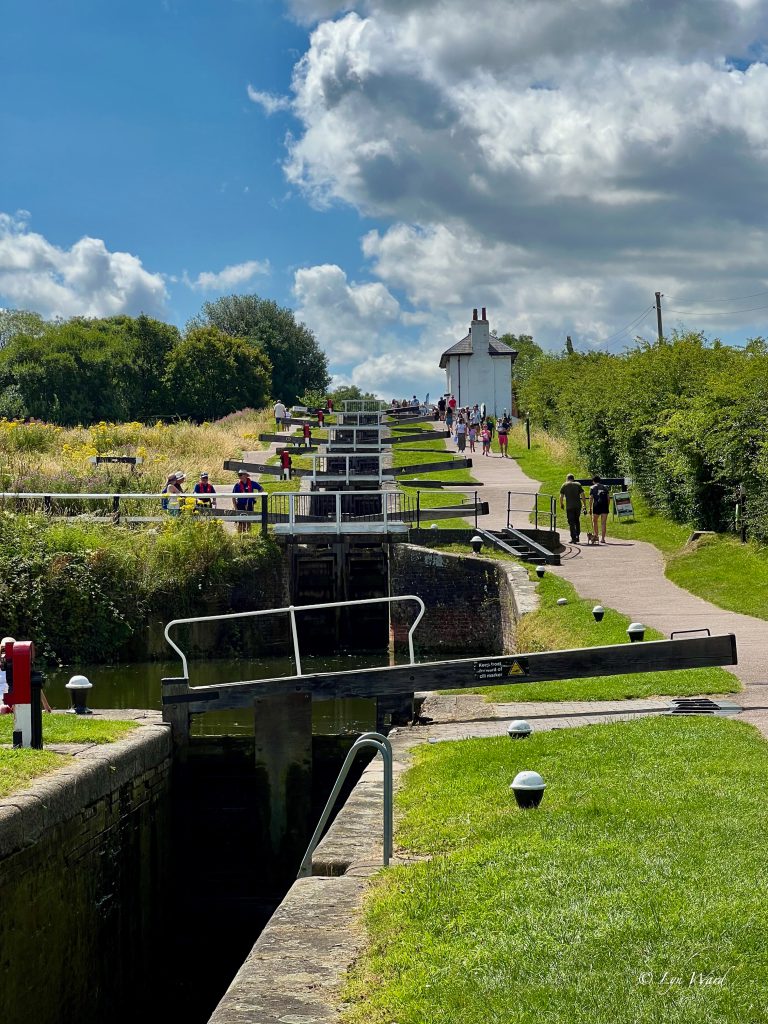
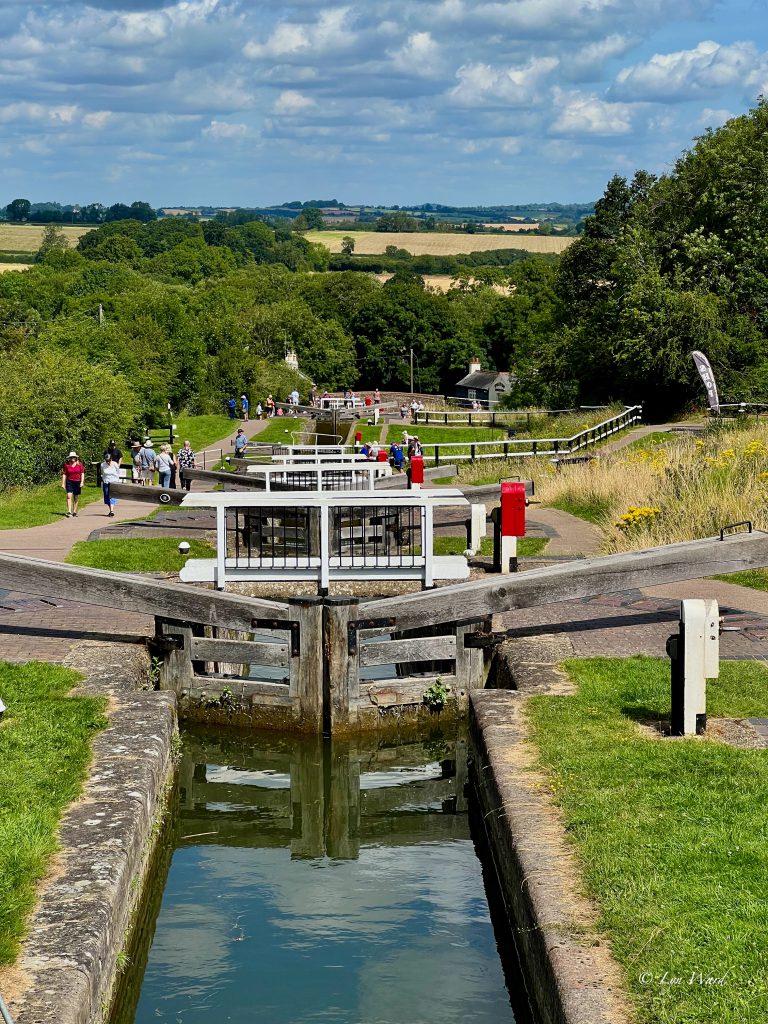
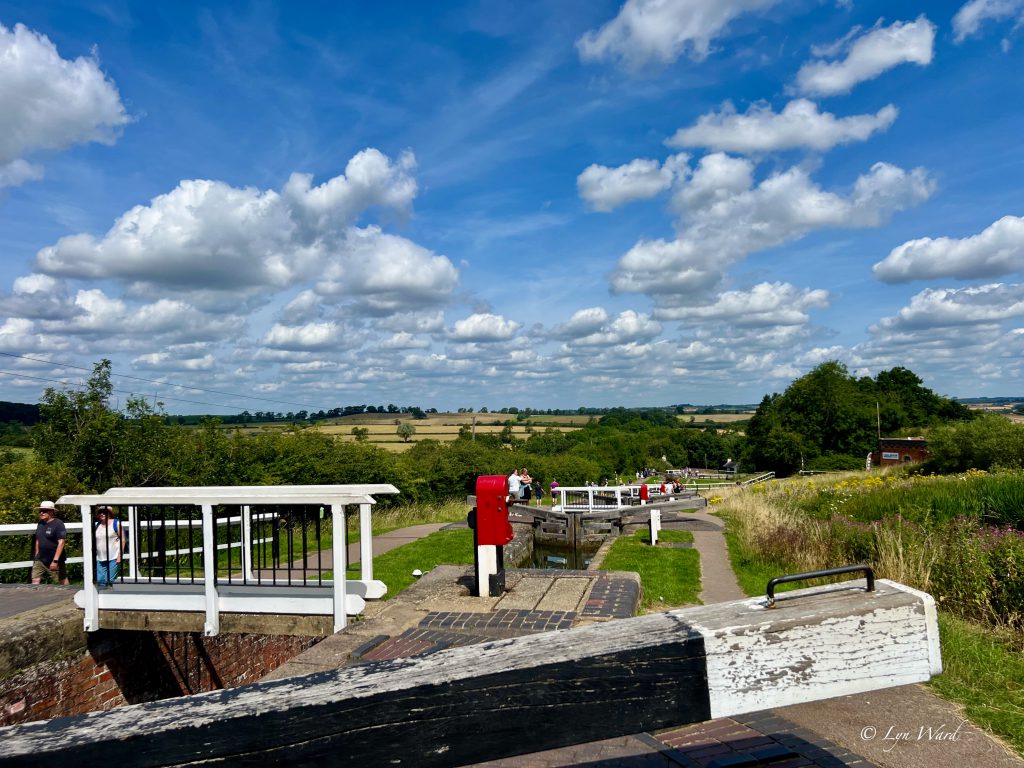
Whether you’re visiting for a gentle walk, a family day out or to dive into canal history, Foxton Locks has something for everyone.
Things to See and Do
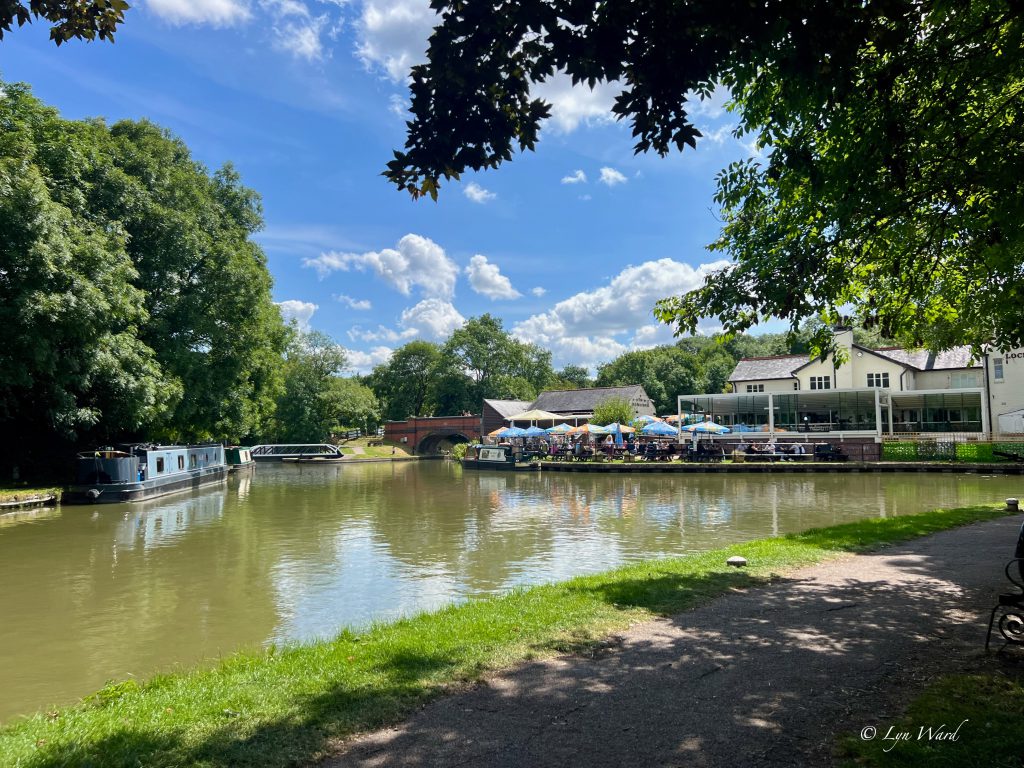
Spread across 34 acres of natural green space, Foxton Locks is perfect for slowing down and exploring. Wander along the towpaths, watch boats navigate the staircase locks, or simply take in the peaceful countryside atmosphere. Nature lovers should keep an eye out for herons, swans, swallows and even flashes of blue from kingfishers.
With over 400,000 visitors each year, there’s always something happening:
- Visit the historic Canal Museum in the Boilerhouse, run by the Foxton Inclined Plane Trust
- Meet the friendly volunteer team in the welcome station and learn about lock keeping
- Join volunteer-led guided walks and themed activities
- Enjoy seasonal events including paddleboarding and canoeing in summer
- Browse the pre-loved bookshop in Top Lock Cottage
- Hire a day boat and experience the locks from the water
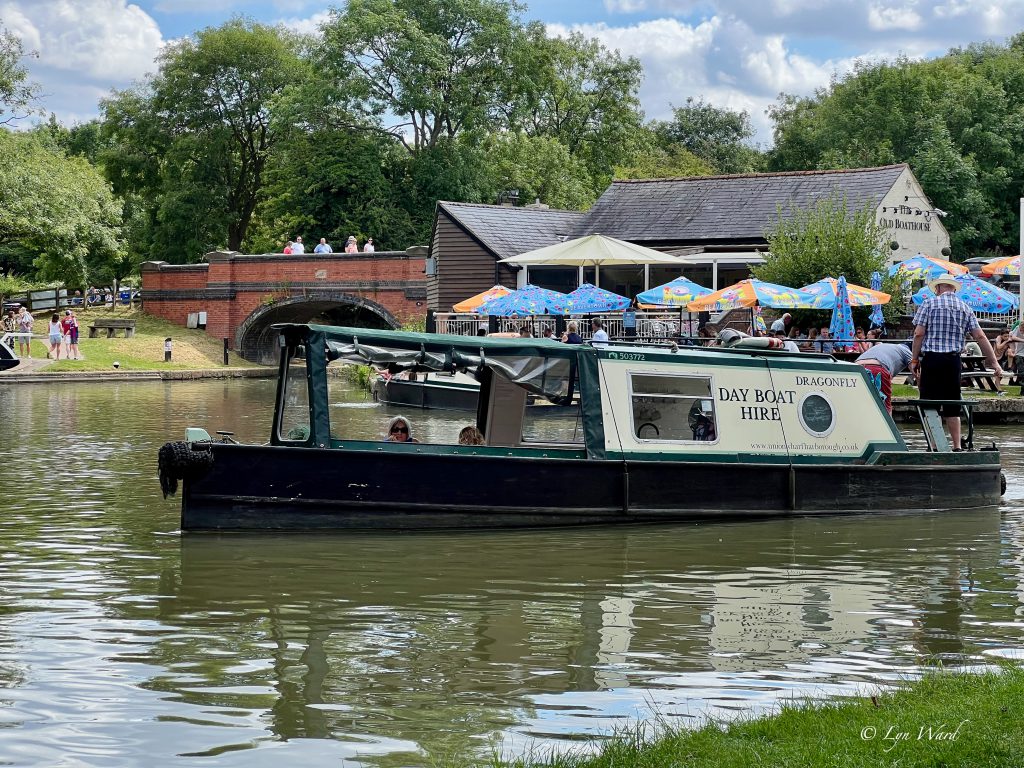
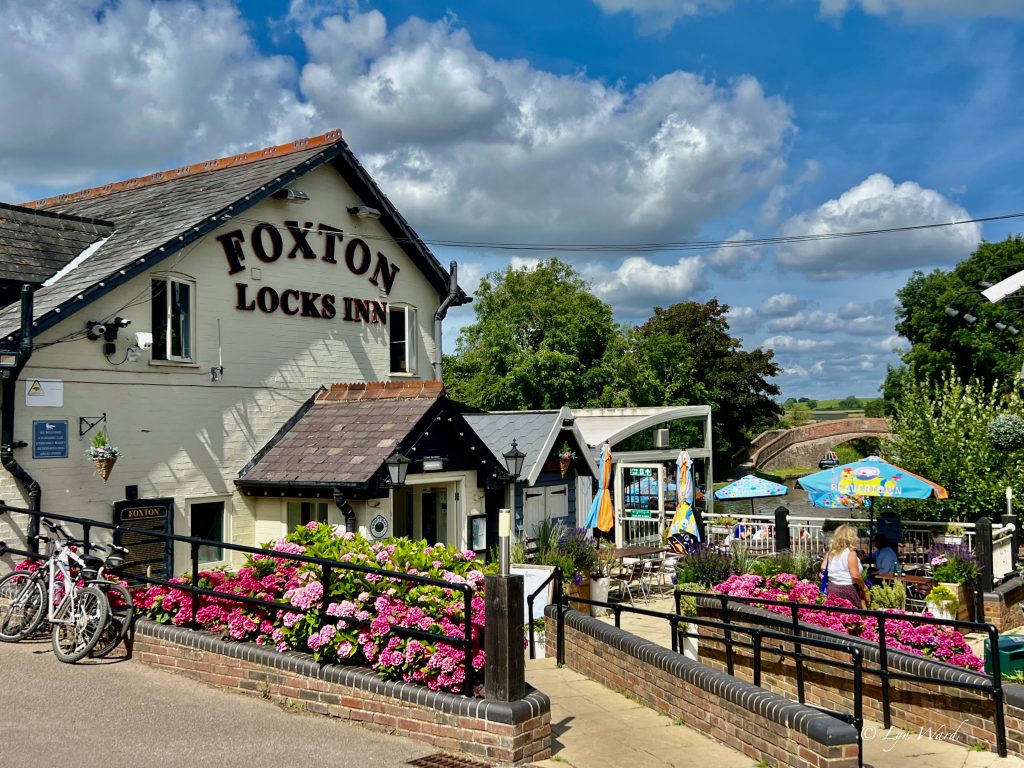
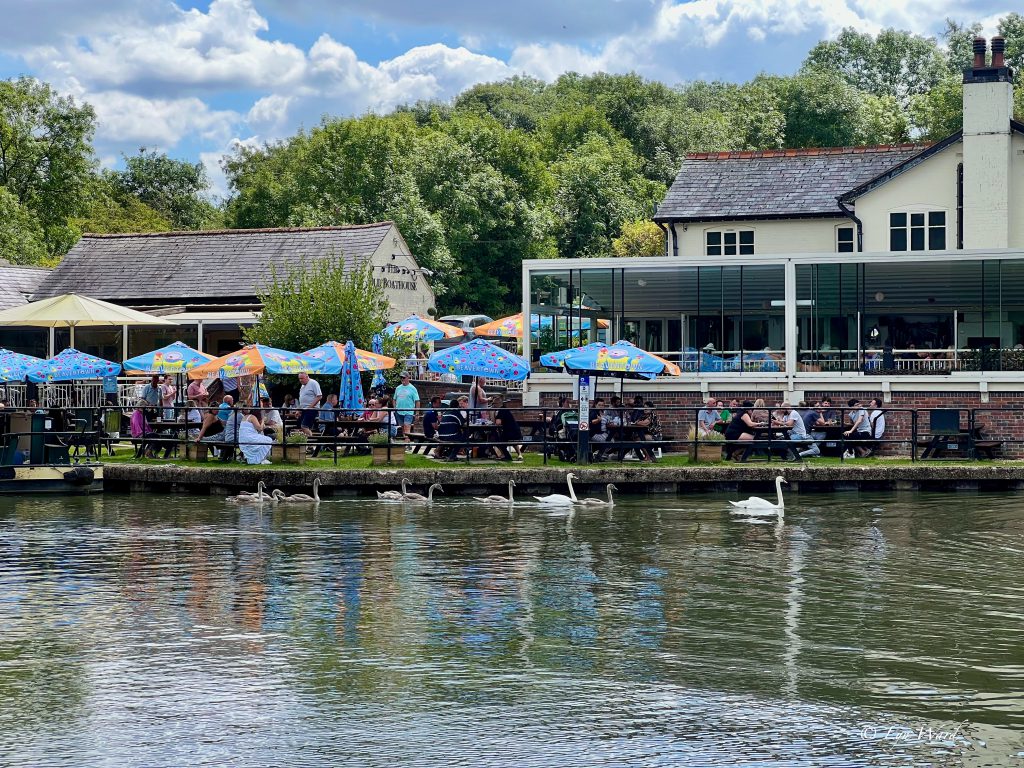
You’ll also find two pubs and two cafés on site, making it easy to turn a short visit into a full day out. Bring a picnic or stop for refreshments at Top Lock Cottage café, or enjoy canal-side dining at the Foxton Locks Inn near Bridge 61.
Step Back in Time: The Inclined Boat Lift
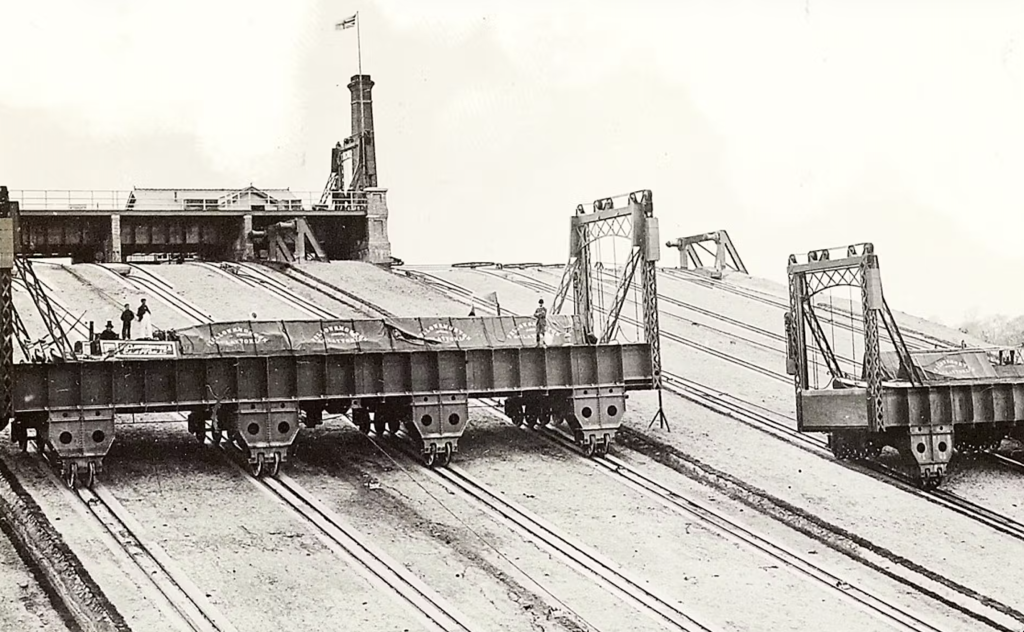
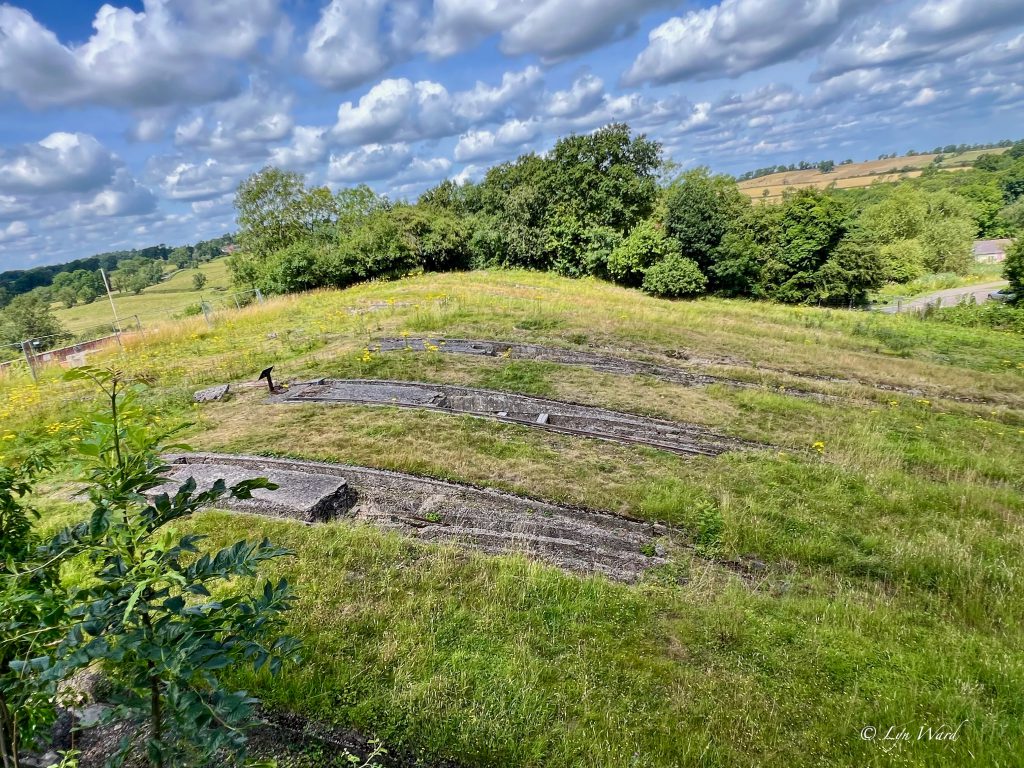
One of the most intriguing features at Foxton is the remains of the Inclined Boat Lift — a unique and ambitious engineering project designed to speed up canal traffic. Opened in 1900, the lift used two large water-filled caissons running on rails to carry boats up and down the hillside, bypassing the ten staircase locks and significantly reducing waiting times. Although innovative, the system was costly to operate and closed in 1911. Today, the preserved remains, now listed as a Scheduled Ancient Monument, offer a fascinating glimpse into Victorian engineering, industrial ambition and the challenges of keeping canal transport competitive.
Where Does the Water Come From?
Foxton Locks sits on the Grand Union Canal, and keeping the locks operating requires a steady supply of water. Most of it comes from reservoirs around seven miles away, with water flowing downhill into the canal using gravity — a far more efficient solution than pumping.
Additional water is supplied by feeders from diverted streams, and during winter, smaller amounts are added from the River Avon. This carefully managed system keeps boats moving and preserves the historic locks for future generations.
A Perfect Canal-Side Day Out
From watching narrowboats climb the staircase locks to spotting wildlife and enjoying waterside cafés, Foxton Locks delivers a memorable visitor experience. It’s a place where history feels alive, the countryside feels close, and every visit offers something new to discover.
Whether you’re planning a relaxed afternoon or a full day exploring, Foxton Locks is one of the Midlands’ most rewarding heritage destinations.
Getting There
Information for this article was sourced from official site interpretation at Foxton Locks, historical information provided by the Foxton Inclined Plane Trust, and publicly available visitor information about the Grand Union Canal and the Foxton Locks site.
Connect with us on social media for regular updates.