


Few places in Britain capture the imagination quite like the Eden Project. Rising from the depths of a once-exhausted clay pit near St Austell, this extraordinary attraction has become one of Cornwall’s most iconic landmarks and one of the world’s most ambitious environmental destinations.
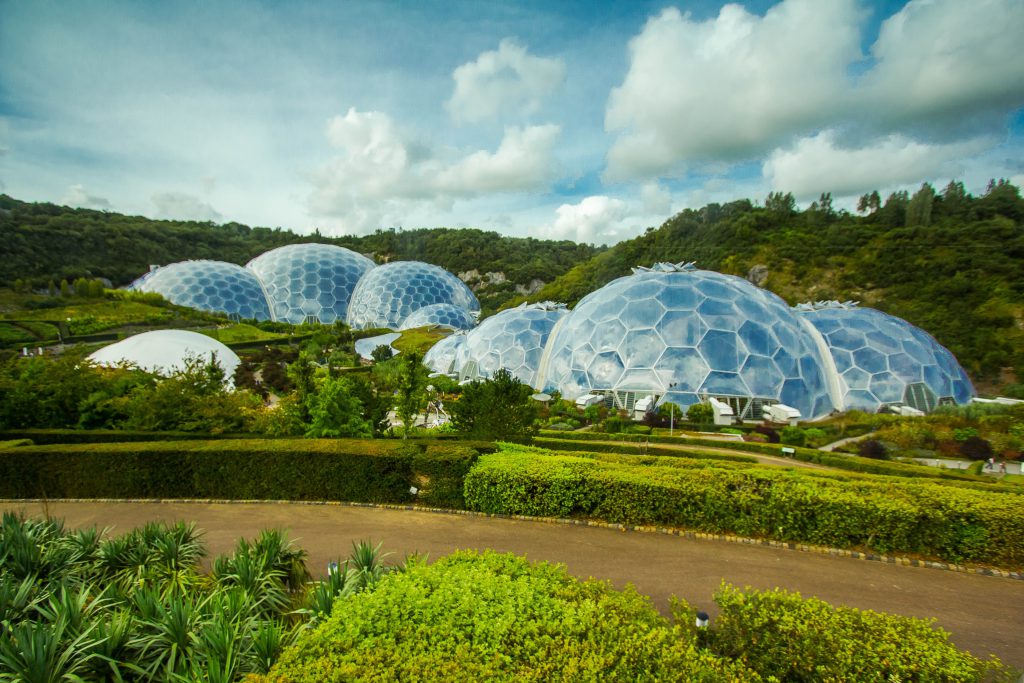
This year marks the Eden Project’s 25th anniversary, a milestone that celebrates not only a quarter-century of welcoming visitors but also an enduring vision of regeneration, education and environmental possibility. Since opening its doors in 2001, more than 25 million people have passed through its gates, drawn by its striking architecture, immersive landscapes and inspiring message about humanity’s relationship with the natural world.
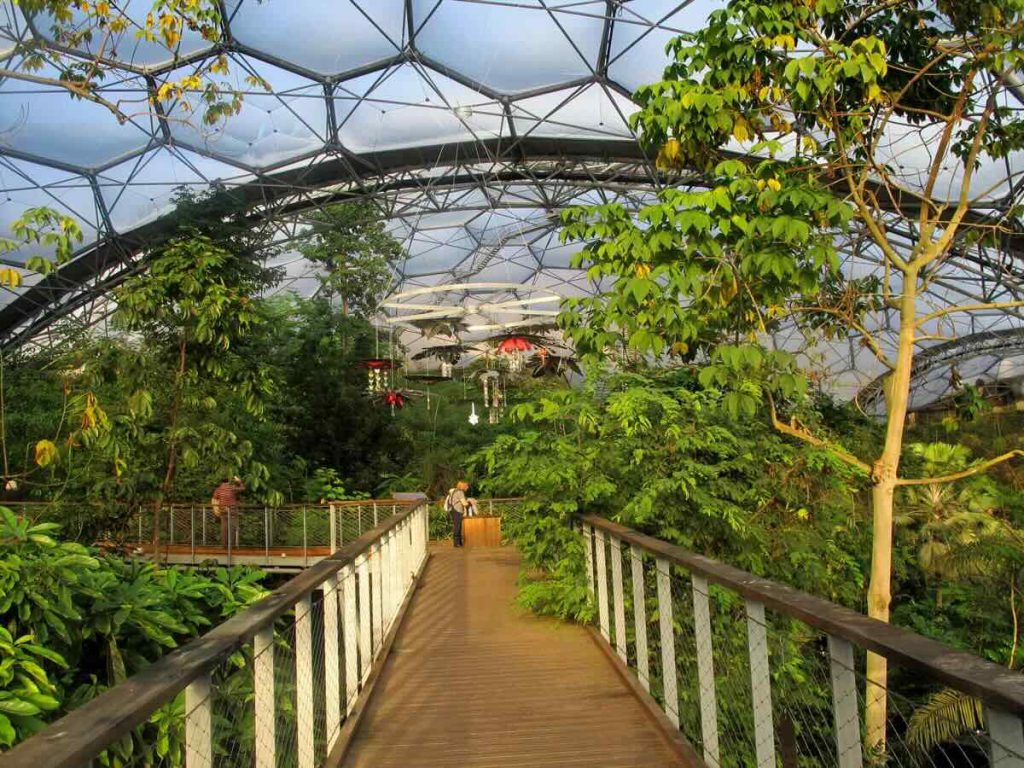
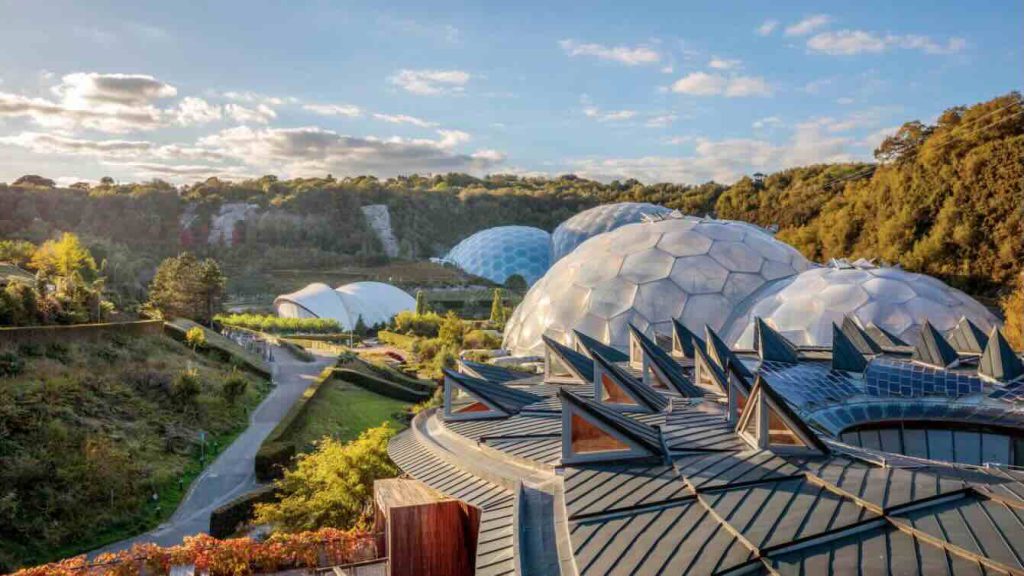
At the heart of Eden are its unmistakable giant Biomes — vast interconnected domes that appear to bubble up from the earth like a futuristic greenhouse city. Inside the Rainforest Biome, visitors step into one of the largest indoor rainforests on the planet, where humid air hangs thick among towering tropical trees, cascading waterfalls and exotic crops including bananas, coffee and cacao.
The Rainforest Biome is also the largest at Eden, measuring an astonishing 100 metres wide and 55 metres high. It houses more than 1,000 varieties of rainforest plants, from carnivorous tropical pitchers that trap insects to rare and endangered jade vines hanging dramatically overhead. Elevated walkways allow guests to explore the rainforest canopy from above, where temperatures can climb to a sweat-inducing 37C, recreating the intense atmosphere of a real tropical environment.
Along the winding paths below, shy roul-roul birds plod quietly through the dense vegetation while visitors discover the global importance of crops such as cacao, coffee and spices — everyday products deeply connected to rainforest ecosystems and communities around the world.
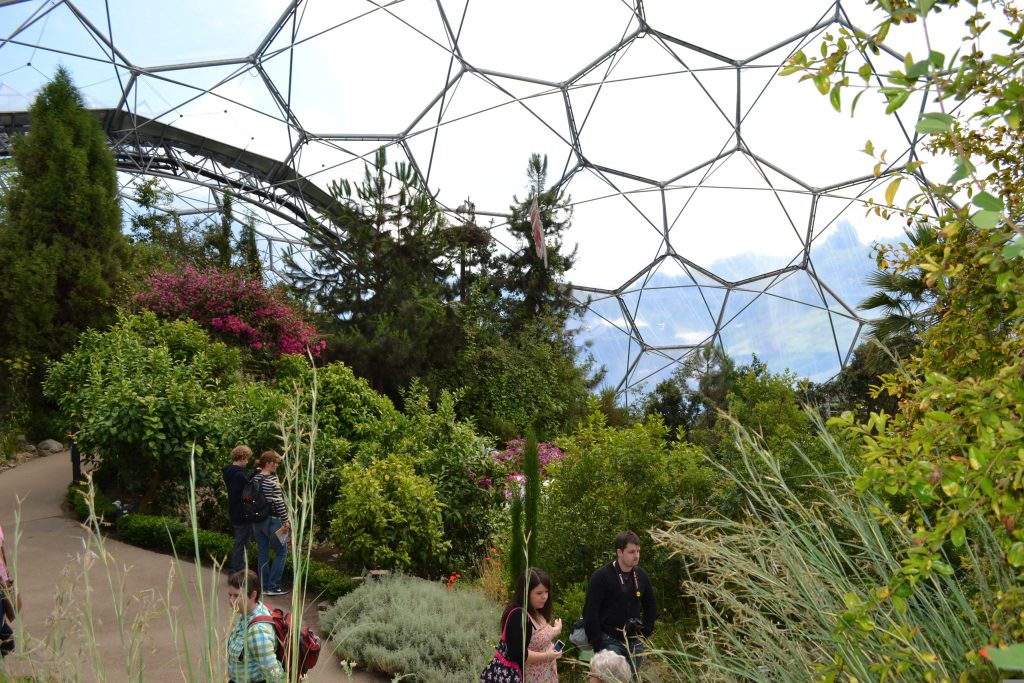
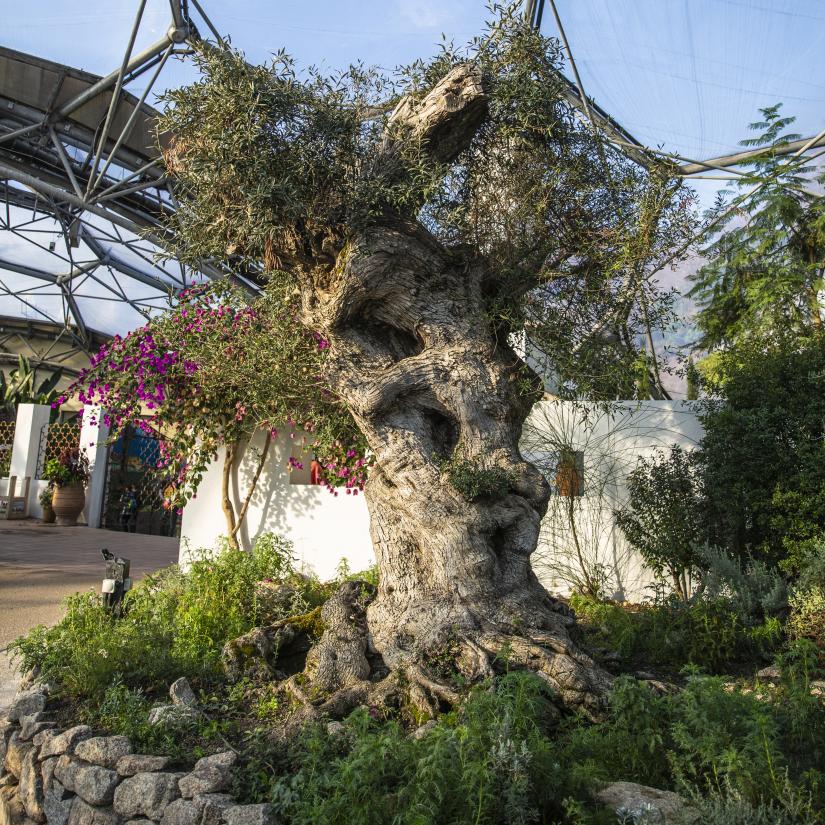
Equally captivating is the Mediterranean Biome, where sunlight filters across winding stone pathways lined with ancient olive trees, fragrant herbs and vibrant flowers. Home to more than 1,000 species, it showcases plants from the Mediterranean Basin as well as regions with similar climates, including California, South Africa and Western Australia. Here, visitors can wander through landscapes that evoke southern Europe’s warmth and tranquillity while discovering the remarkable diversity of plant life that sustains cultures across the globe.
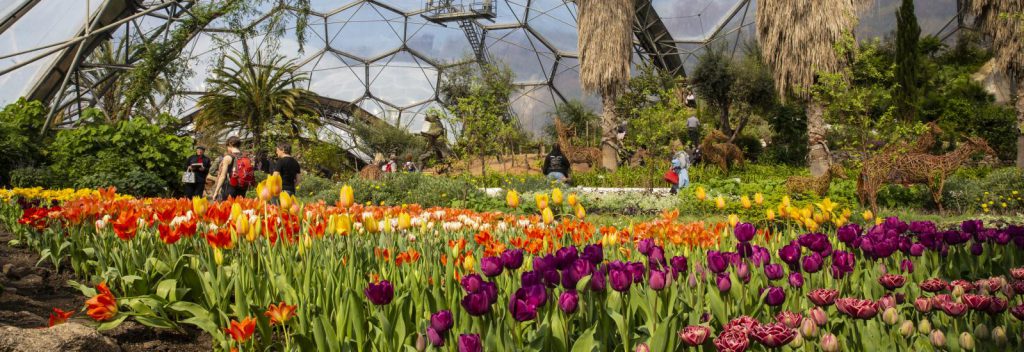
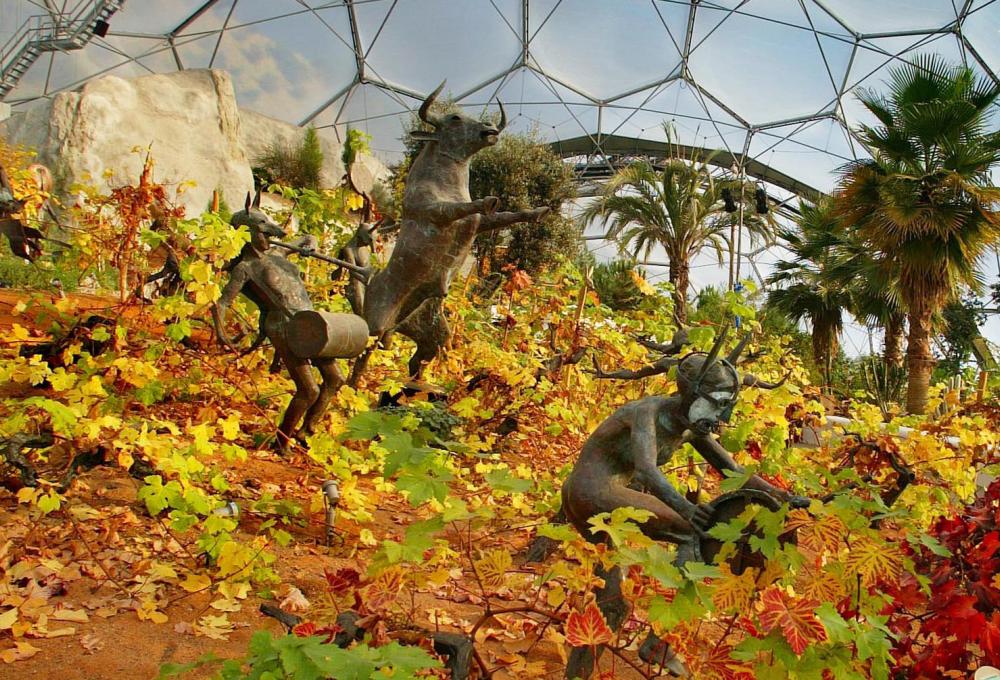
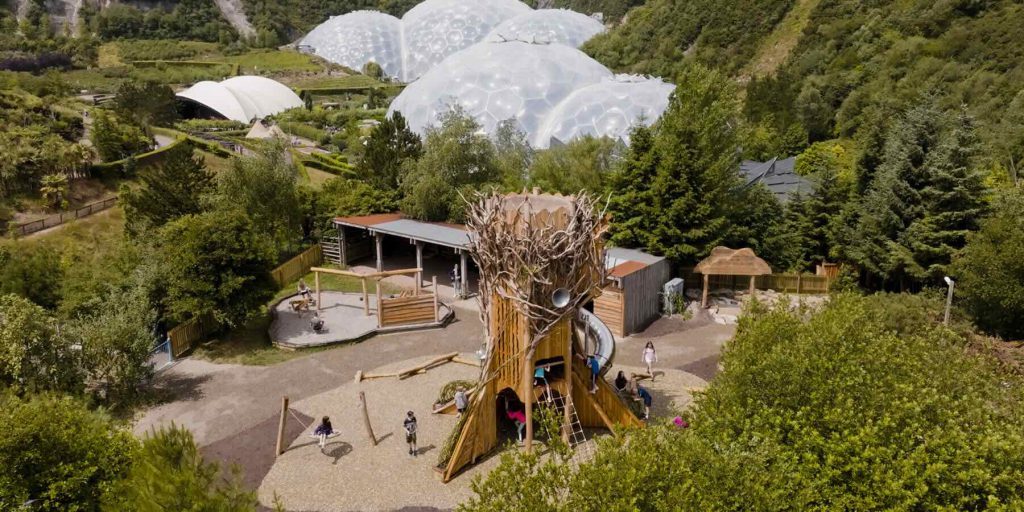
Beyond the Biomes, Eden unfolds into extensive Outdoor Gardens, where contemporary art installations blend with carefully designed landscapes celebrating biodiversity and sustainability. Families are drawn to Nature’s Playground, a sprawling adventure space designed to reconnect children with imaginative outdoor play, while seasonal attractions such as winter ice skating add year-round appeal.
The popular Invisible Worlds exhibition offers a fascinating exploration of the hidden systems that connect life on Earth, using immersive digital technology to reveal the unseen networks that shape our planet. Family trails and interactive exhibits throughout the site encourage visitors of all ages to engage with nature in creative and thought-provoking ways.

Visitors to Eden are also greeted by one of its most striking artworks — the giant Seed sculpture located in the Core building, where co-founder Tim Smit is often photographed. The sculpture reflects the project’s enduring message of growth, possibility and renewal.

Yet the true wonder of Eden lies in its origin story.
In the late 1990s, a small group gathered with an audacious idea: to create something unlike anything the world had seen before — a place that would explore humanity’s place within nature and demonstrate what can happen when people unite with purpose.
What they found was hardly promising: a barren, steep-sided clay pit plunging 60 metres deep, lying 15 metres below the water table, stripped of soil and seemingly devoid of life. It was an industrial scar left by decades of extraction.
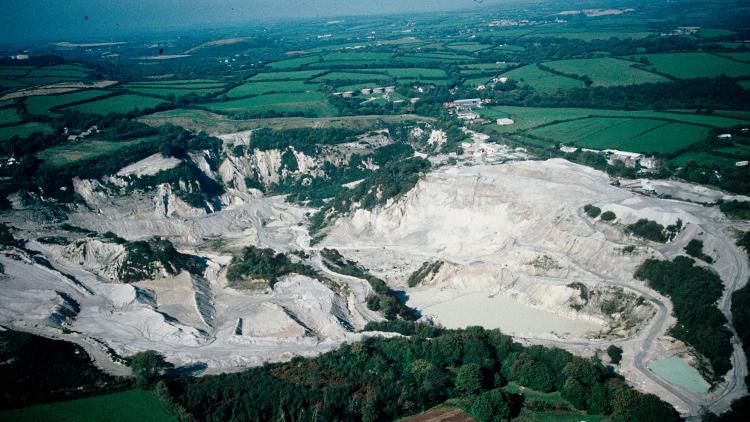
But where others saw emptiness, Eden’s founders saw potential.
Through vision, determination and innovation, the pit was transformed. Soil was created from recycled and “waste” materials. Rainwater was harvested to sustain life. Giant conservatories inspired by natural forms were built to house ecosystems from across the world. Plants people use every day — often without ever seeing how they grow — were brought together to tell a deeper story of interconnection.
Behind it all stood a team united by a shared belief: that meaningful change begins when people choose action over hesitation.
Twenty-five years on, the Eden Project remains far more than a visitor attraction. It is a symbol of renewal, a celebration of human ingenuity and a living reminder that damaged landscapes — and perhaps even damaged relationships with the natural world — can be restored when imagination meets purpose.
For visitors to Cornwall, it remains an essential experience: a place of beauty, wonder and quiet inspiration, where the future feels not only possible, but already growing.
Add it to your Cornwall Bucket List and book your visit today to experience one of the UK’s most unforgettable attractions for yourself.
Connect with us on social media for regular updates.