
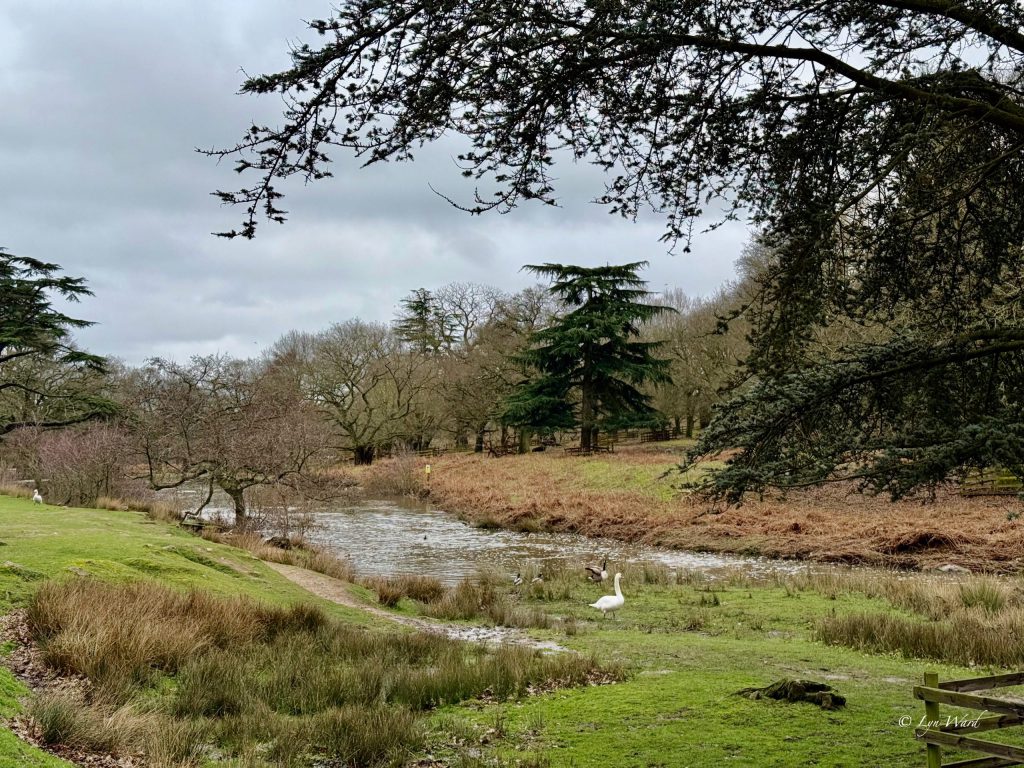
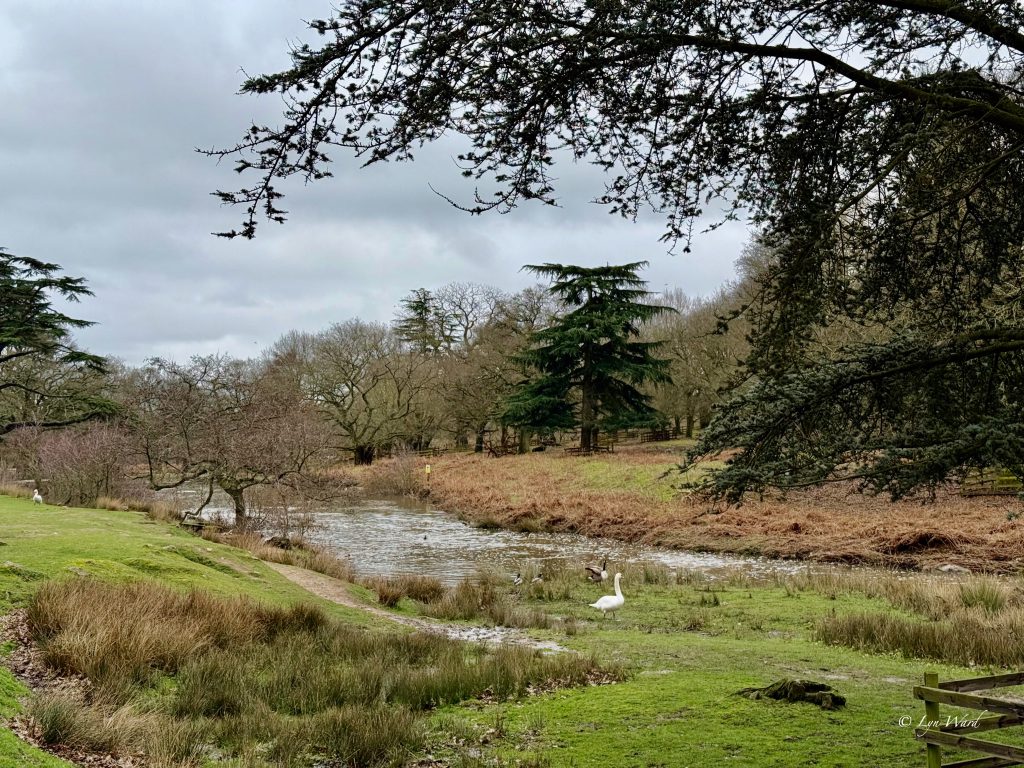
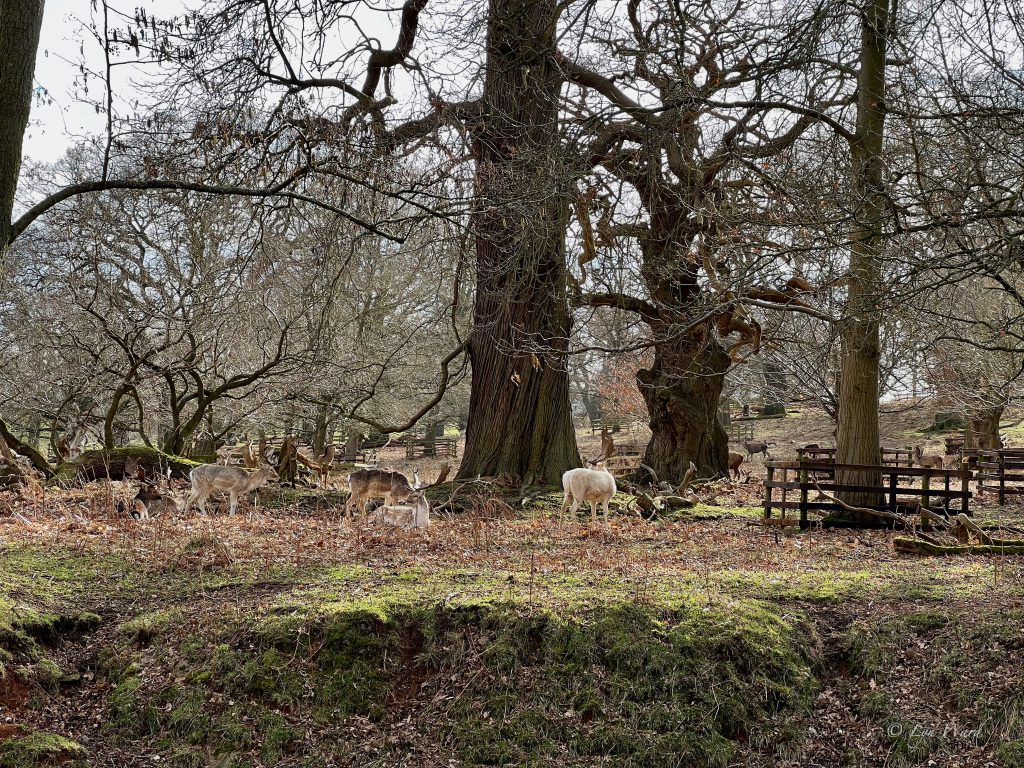
Fallow deer graze quietly beneath the ruined brick walls of the house where Lady Jane Grey was born. Birds move through the hedges, skylarks sing overhead, and the wide open landscape feels calm and timeless.
This is Bradgate Park — one of England’s most remarkable historic parks and a place where wildlife, history and sweeping countryside meet just a few miles from Leicester city centre.
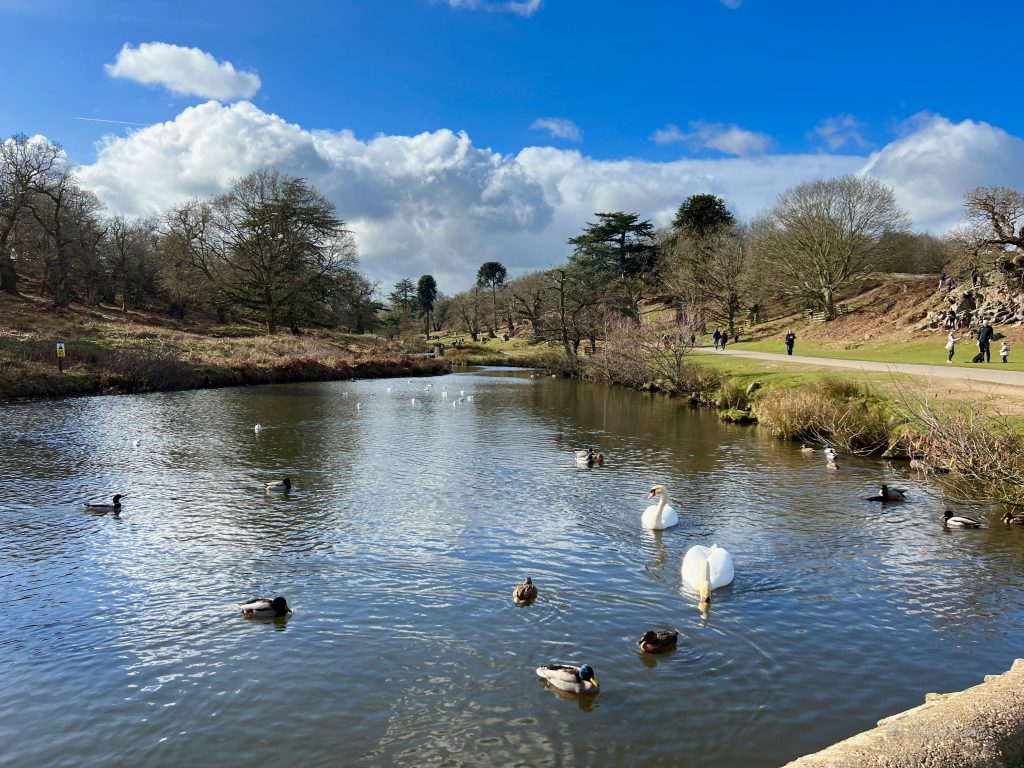
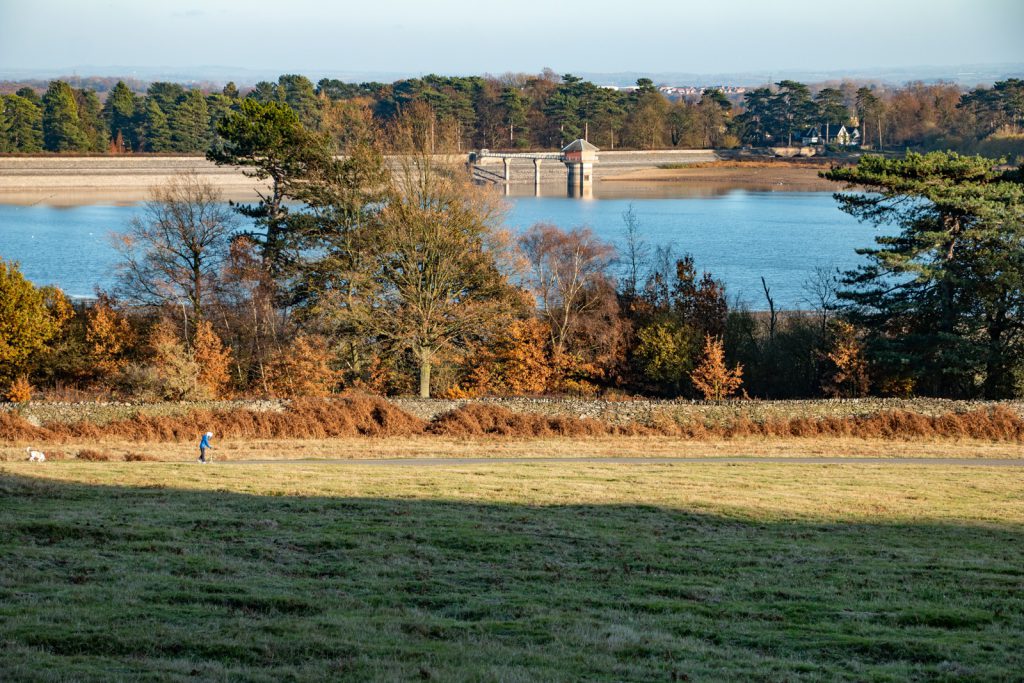
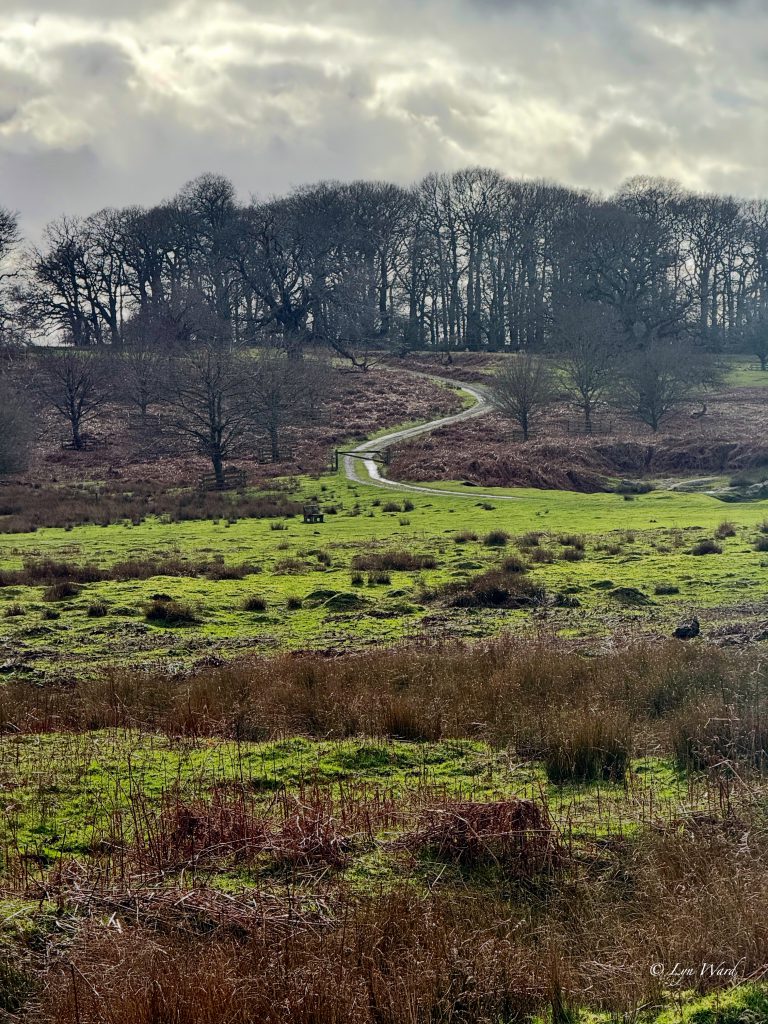
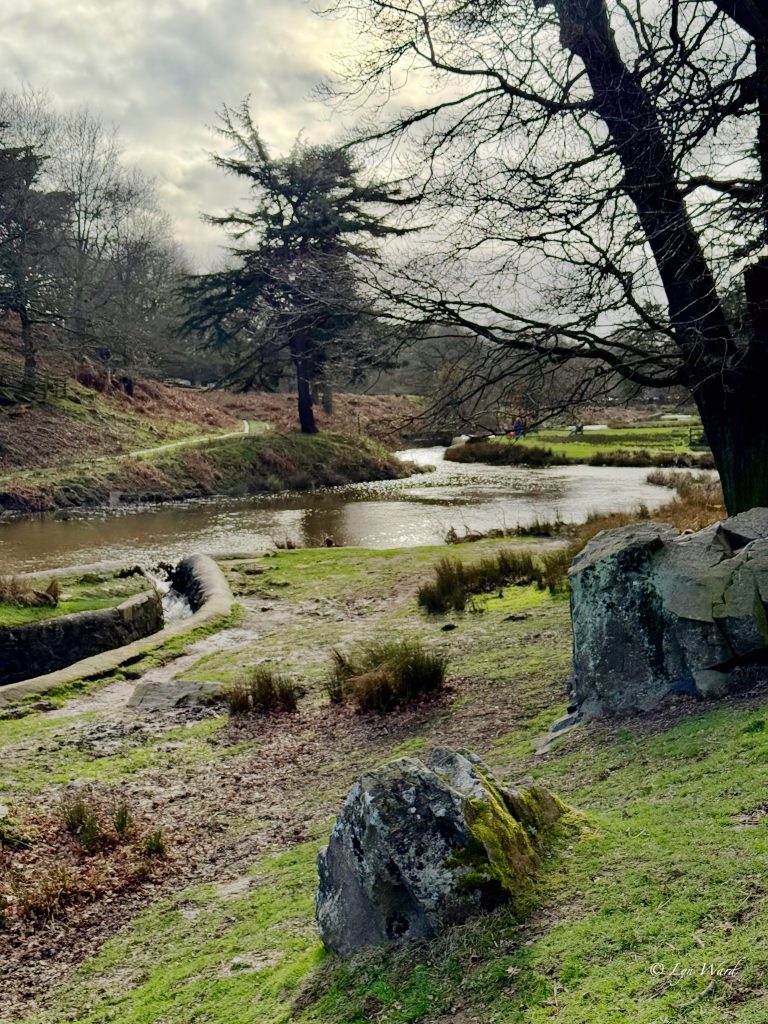
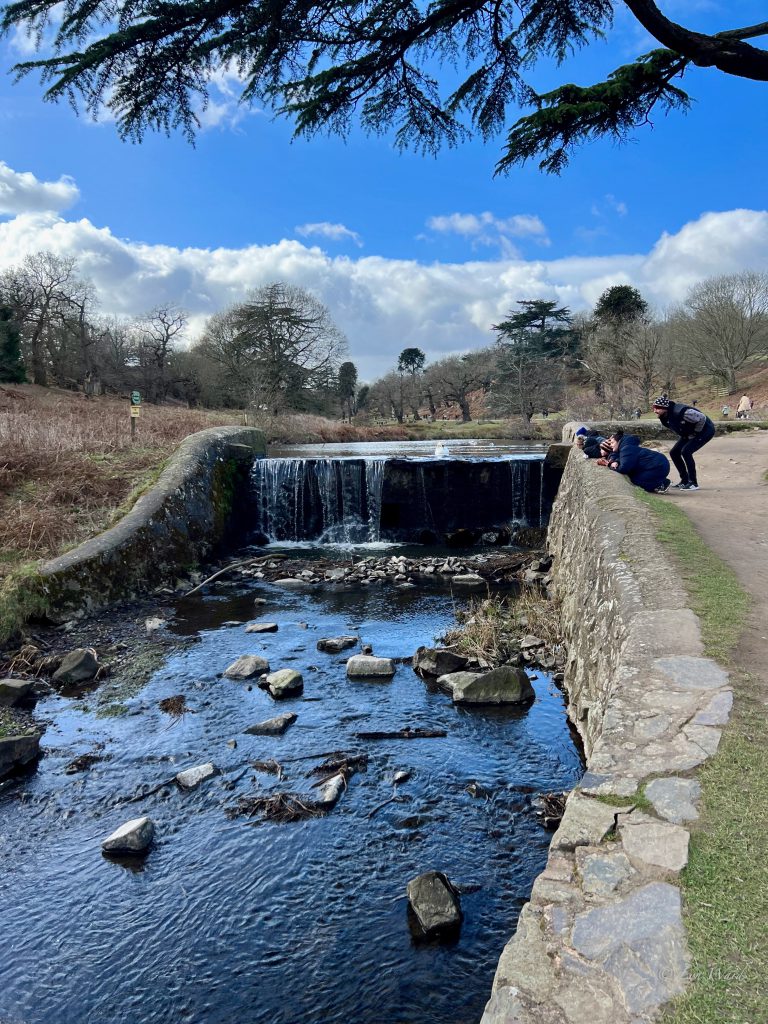
Covering around 830 acres of publicly accessible countryside, Bradgate Park offers a wild and rugged landscape shaped by both nature and centuries of history. Dramatic rocky outcrops rise from the hillsides, bracken spreads across open slopes and ancient oak trees — many more than 500 years old — twist and stretch across the parkland.
Bradgate Park was first enclosed as a deer park around 800 years ago, and its long heritage is still visible today. At the heart of the park stand the atmospheric remains of Bradgate House.
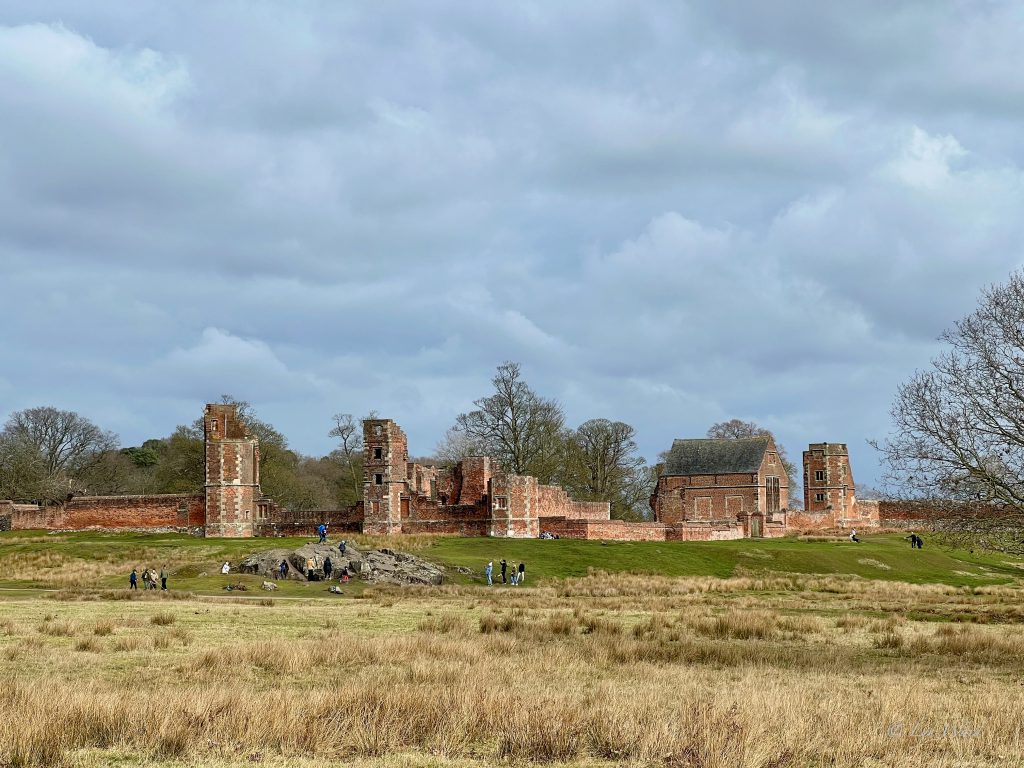
Bradgate House was one of the earliest brick-built country houses in England and served as the childhood home of Lady Jane Grey, who briefly became Queen of England for just nine days in 1553. Today, the roofless red-brick walls stand as a powerful reminder of the Tudor estate that once dominated this landscape. The ruins are protected as a Scheduled Ancient Monument by Historic England, recognising their national historical significance.
Lady Jane Grey’s life ended tragically. Known as the “Nine Days Queen”, she was executed at the age of 16 or 17 on February 12, 1554, inside the walls of the Tower of London. According to a poignant local legend, news of her death led to a symbolic act of mourning at Bradgate. The oak trees across the park — many of which still stand today — were said to have been pollarded, with their upper branches cut away in grief. As the trees regrew over time, they developed the distinctive, gnarled and sometimes stunted shapes that now characterise the park’s ancient woodland.
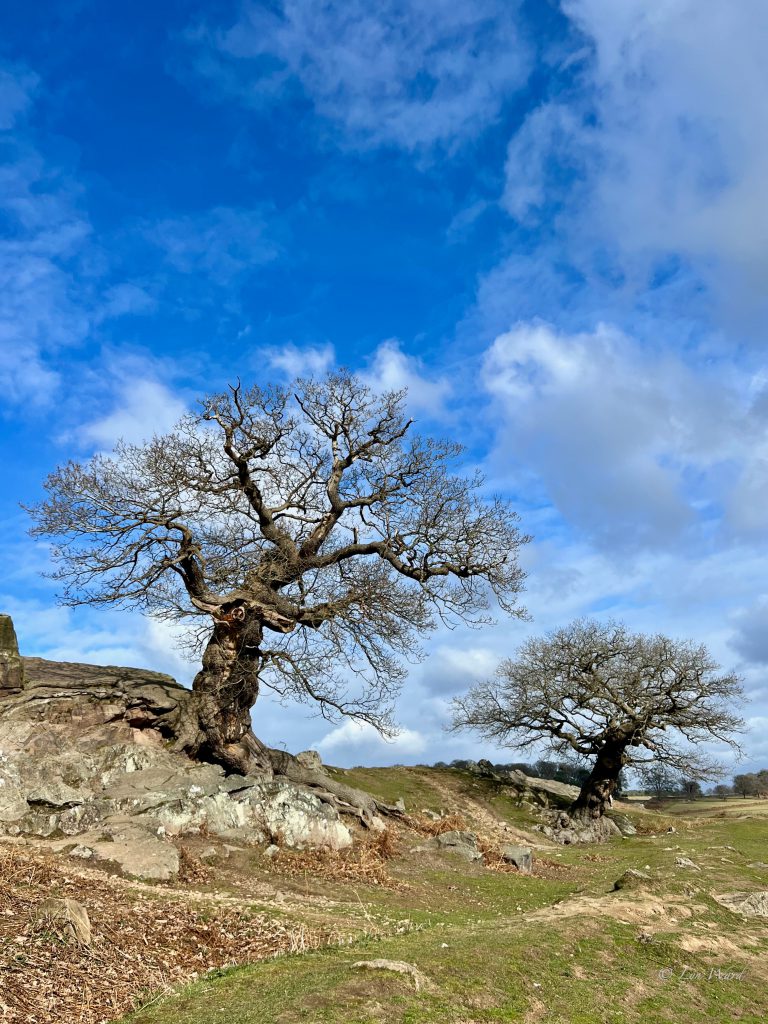
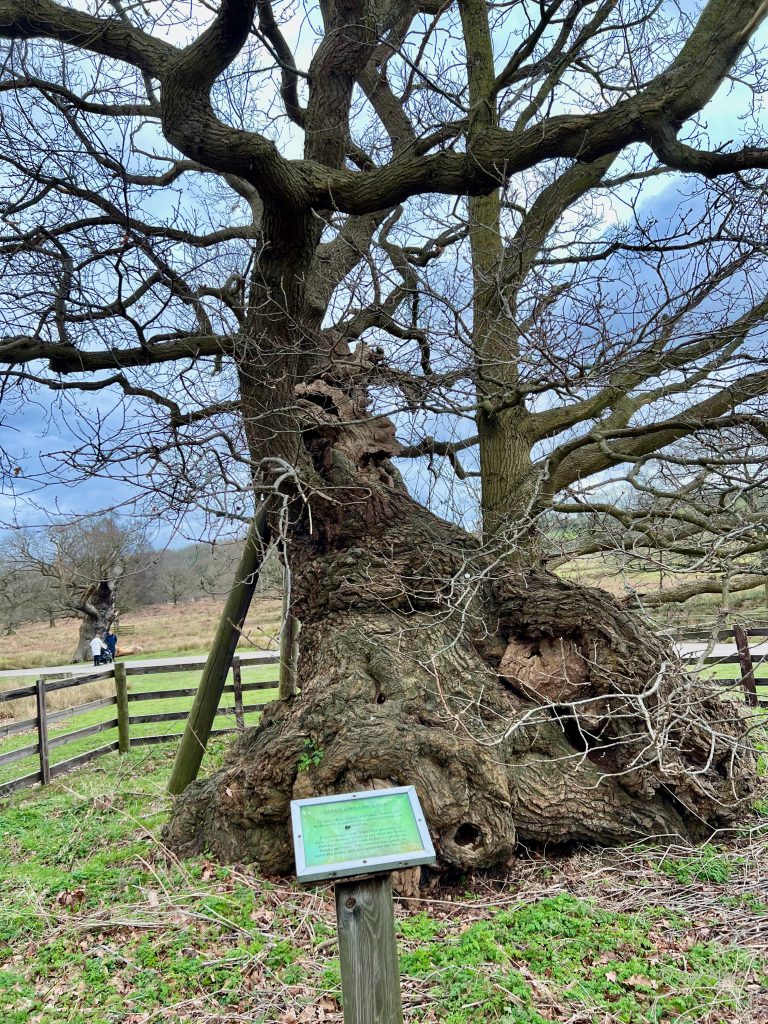
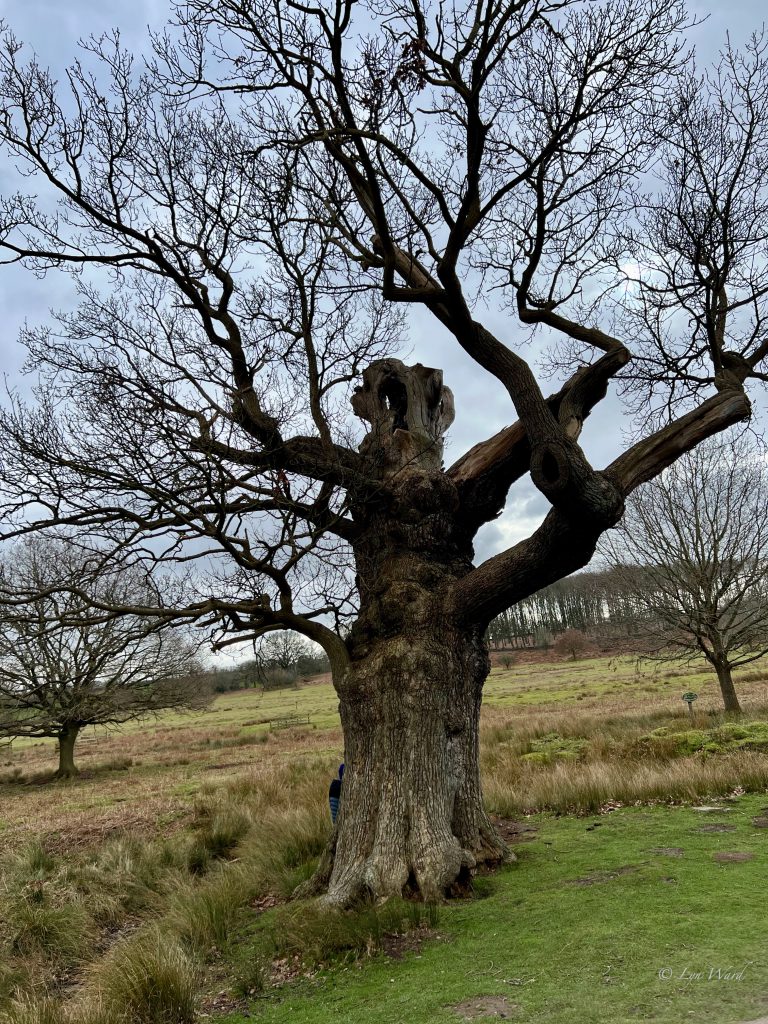
Deer wander freely through the grounds, often grazing near the ruins or resting beneath these remarkable old trees. The Bradgate Park herds are wild deer, and a large section of the park is maintained as a protected sanctuary for them, with no public access.
Beyond the house ruins, footpaths lead visitors across the park’s rugged terrain of bracken, rocky crags and open hillsides. One of the most recognisable landmarks is Old John Tower, an 18th-century folly standing prominently on the highest hill.
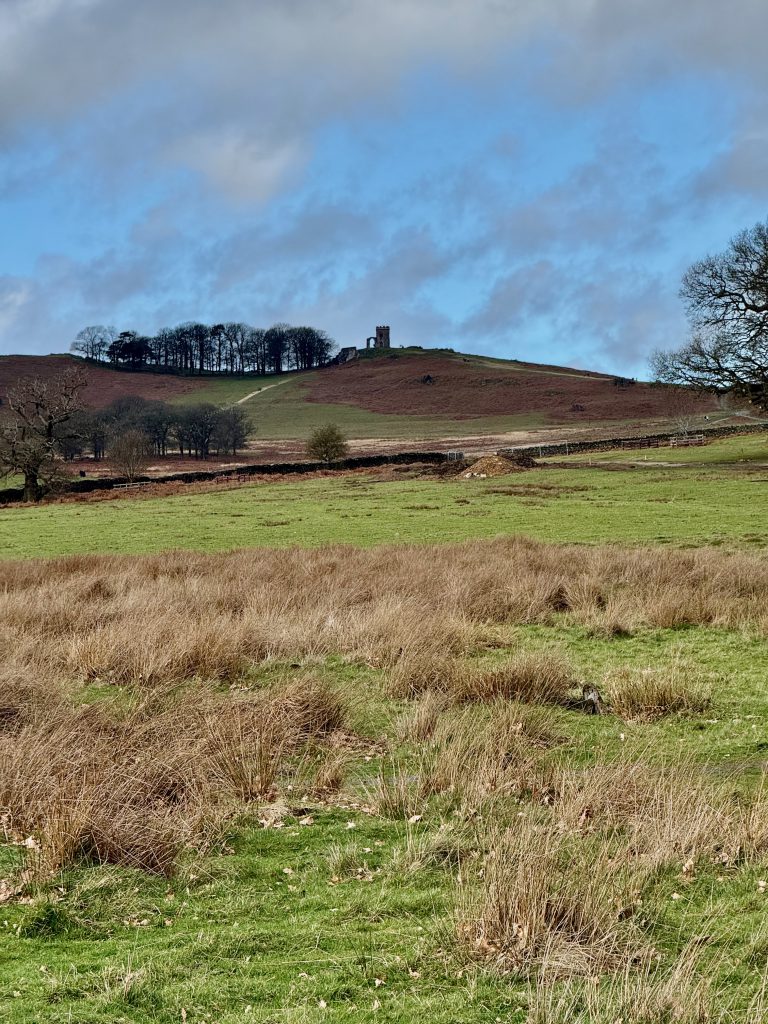
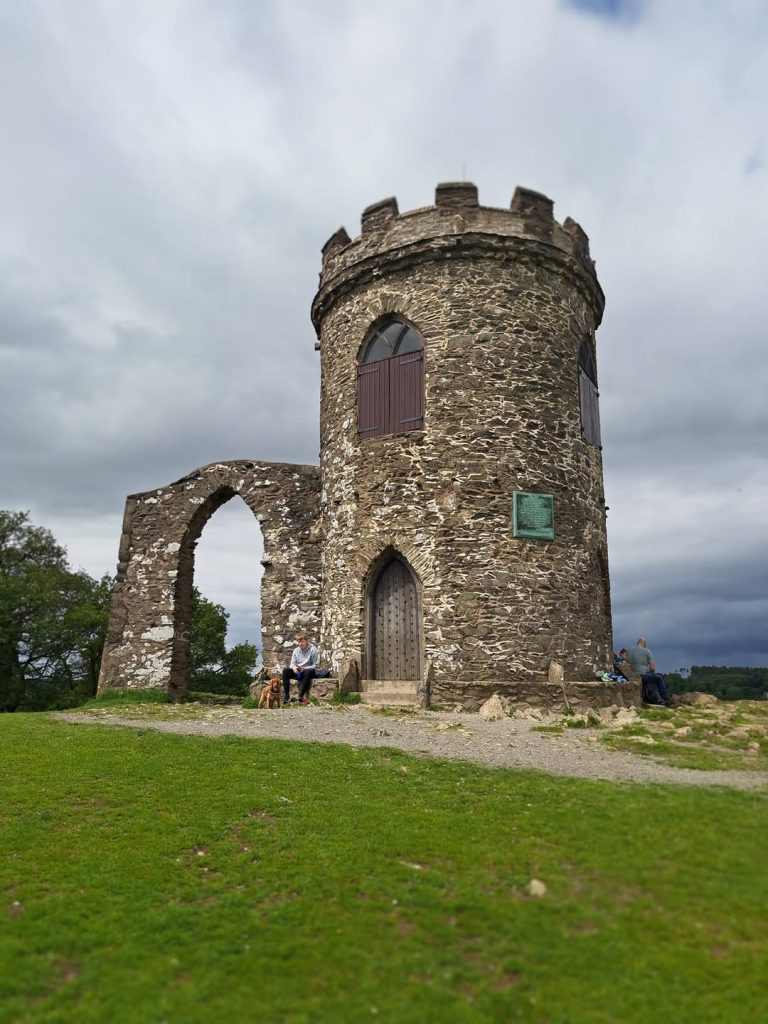
With its squat cylindrical shape and battlements, Old John has long been compared to a giant beer mug perched on the skyline. The climb to the tower rewards walkers with sweeping views across the countryside of Leicestershire.
For visitors who prefer a gentler walk, the lower part of the park offers easy access for everyone. A tarmac carriageway runs through this area, making it suitable for wheelchairs and pushchairs while still allowing people to enjoy the scenery and wildlife.
At the heart of the park sits the Bradgate Park Visitor Centre at the Deer Barns. Entry is free, and the exhibition tells the story of the Bradgate Estate, exploring both its fascinating natural environment and its rich human history. Nearby, the café offers a welcoming place to pause and enjoy the surroundings.
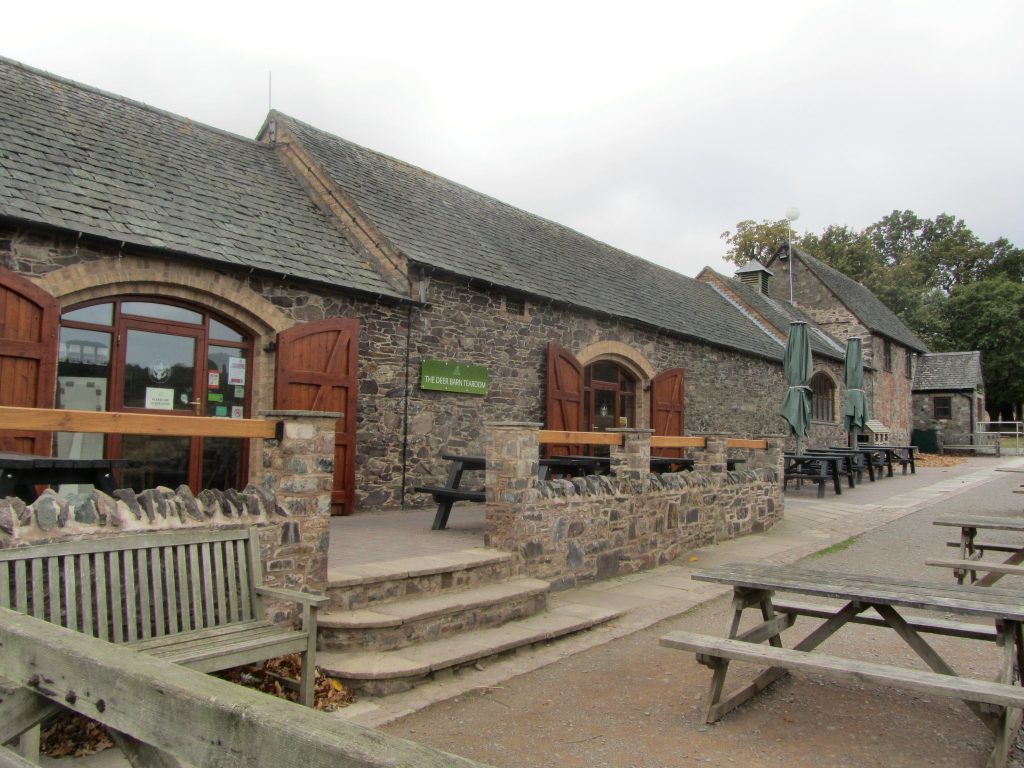
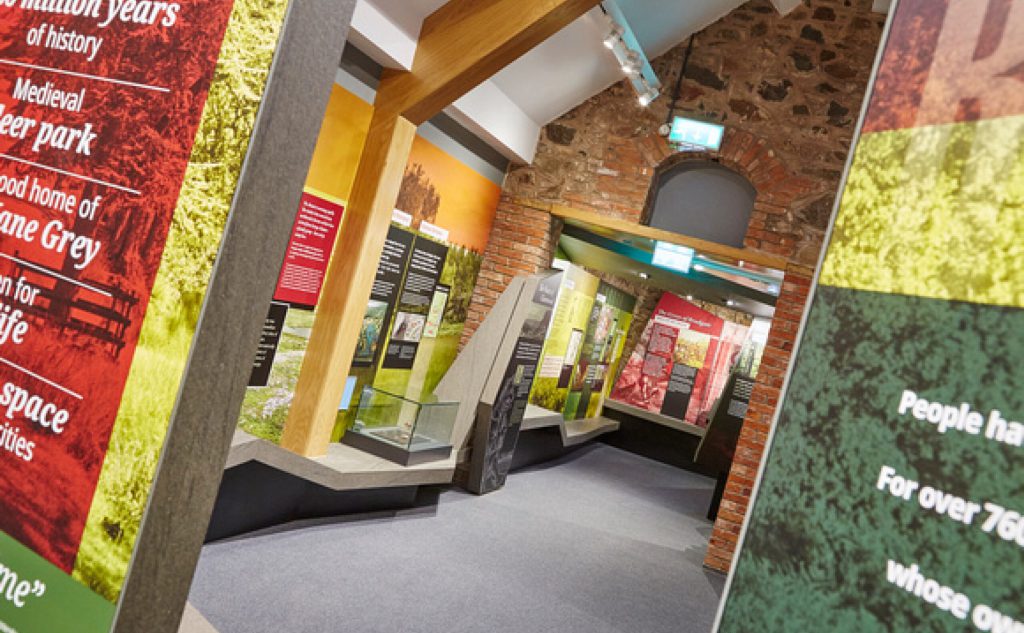
Throughout the year, the park transforms with the seasons — from fresh spring greenery and birdsong to the golden colours of autumn and crisp winter landscapes.
Whether visitors come to explore the ruins, walk the hills, watch the deer or simply enjoy a peaceful escape from the city, Bradgate Park remains one of the Midlands’ most treasured landscapes — a place where nature and history have been intertwined for centuries.
Getting Here
You can find details and routes at this link: Bradgate Park – Getting Here
Sources: Information for this article was compiled from a range of historical and heritage references, including research and site records from Historic England, background materials from the University of Leicester and Charnwood Forest Geopark, as well as heritage information relating to Bradgate Park and Bradgate House. Additional historical context on the life of Lady Jane Grey was drawn from widely recognised historical references and archival sources.
Connect with us on social media for regular updates.