
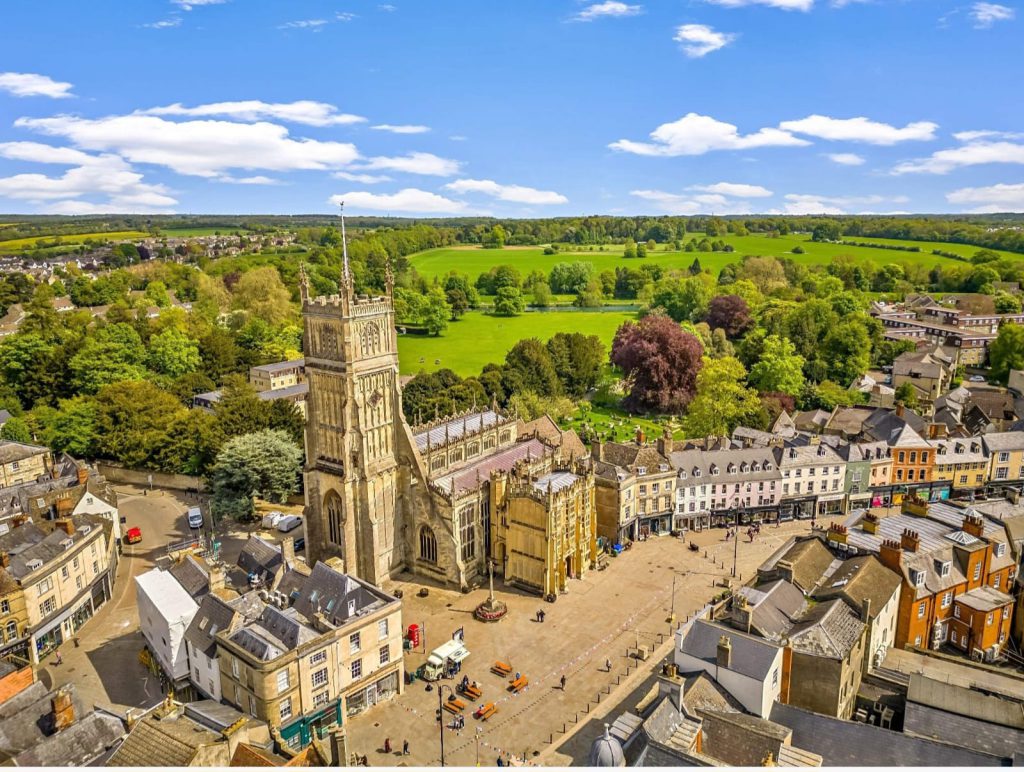
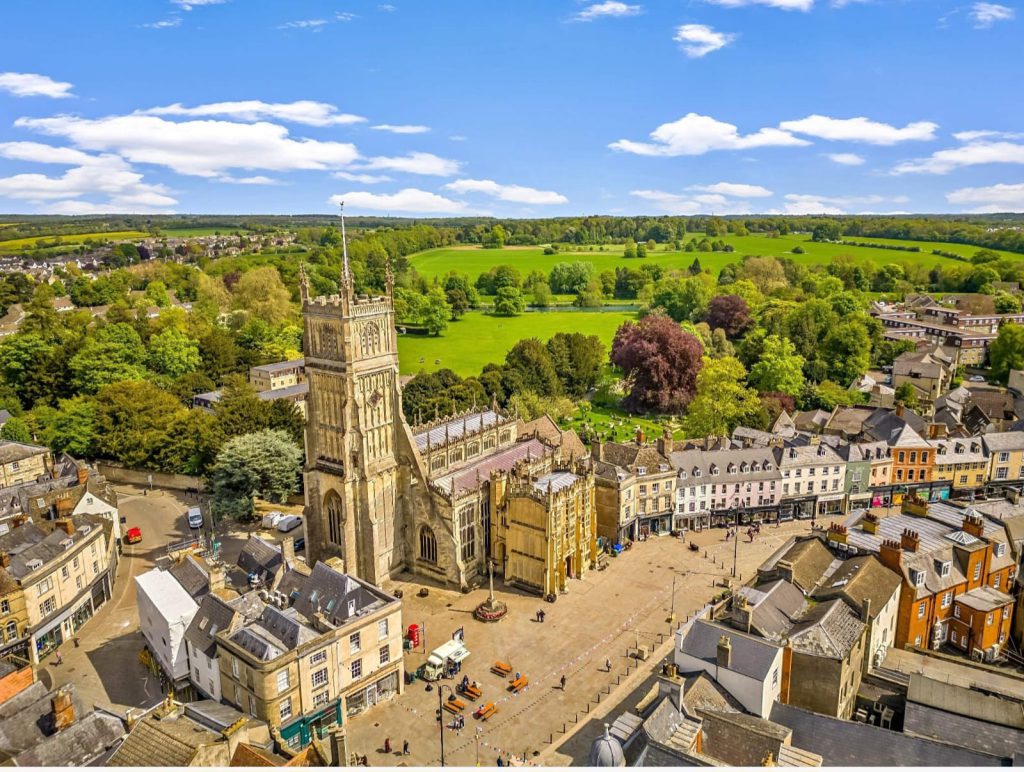
There’s something quietly confident about Cirencester. Perhaps it’s the sweep of honey-coloured stone along its historic streets, or the sense that beneath your feet lies layer upon layer of history. Known as the Capital of the Cotswolds, this elegant market town blends Roman grandeur with medieval prosperity and modern-day charm — and does so effortlessly.
From Corinium to the Cotswolds
Long before it became a postcard-perfect Cotswold destination, Cirencester was Corinium, one of Roman Britain’s most important settlements — second in size only to London. The legacy of that extraordinary past remains visible today, from the faint lines of ancient streets to the remarkable archaeological treasures displayed in the town’s celebrated Corinium Museum.
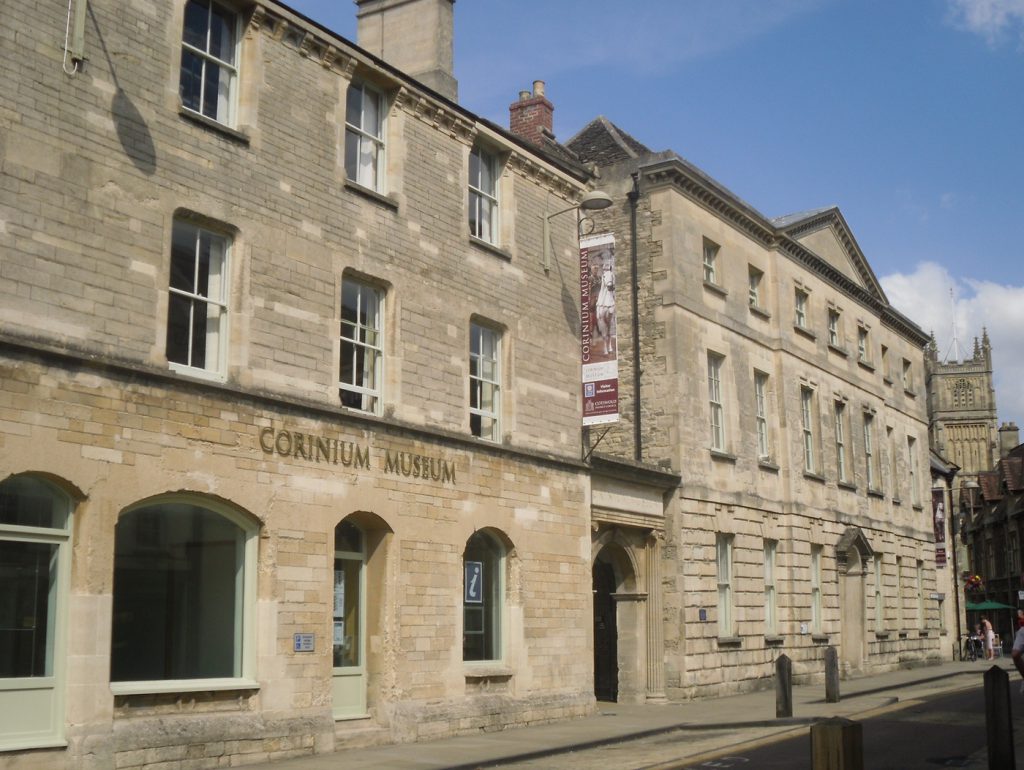
Here, visitors can trace the story of the region from its prehistoric landscape through its Roman heyday and beyond. Intricate mosaics, sculptures and everyday artefacts bring Corinium vividly to life, offering a fascinating glimpse into a time when this now-tranquil market town was a thriving provincial capital.
Cirencester’s prosperity did not end with the Romans. In the medieval period, the town flourished through the wool trade, becoming one of England’s wealthiest centres. That success is written into its architecture — elegant townhouses, historic inns and graceful civic buildings crafted from the warm Cotswold limestone that glows honey-gold in the afternoon light.
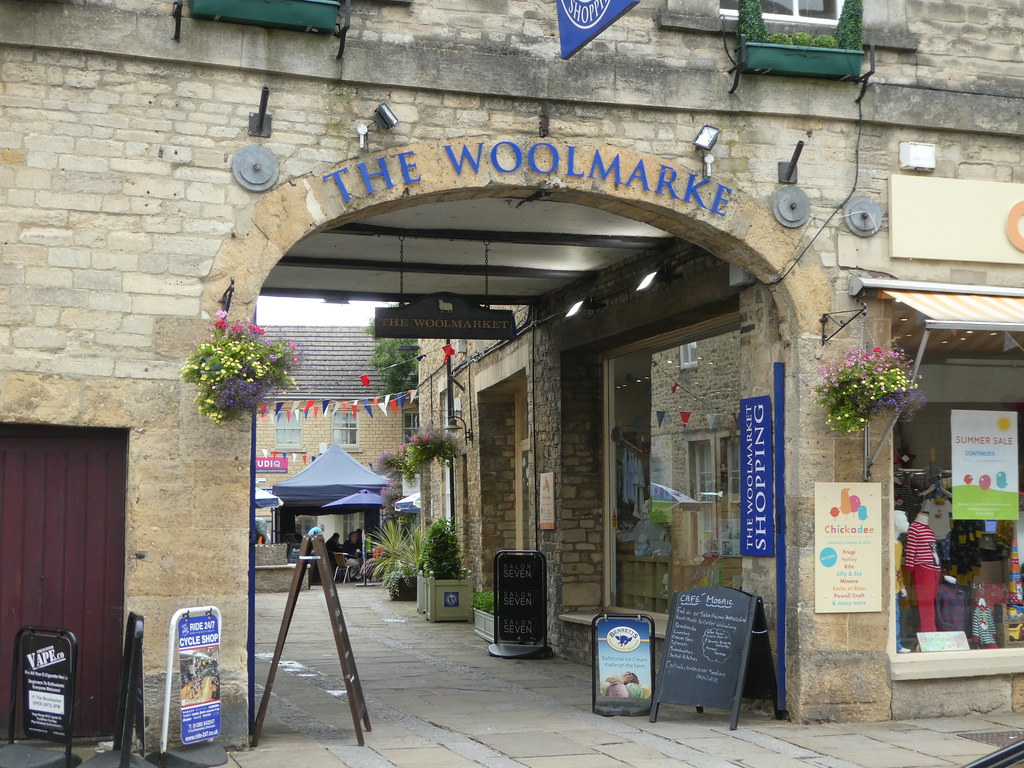
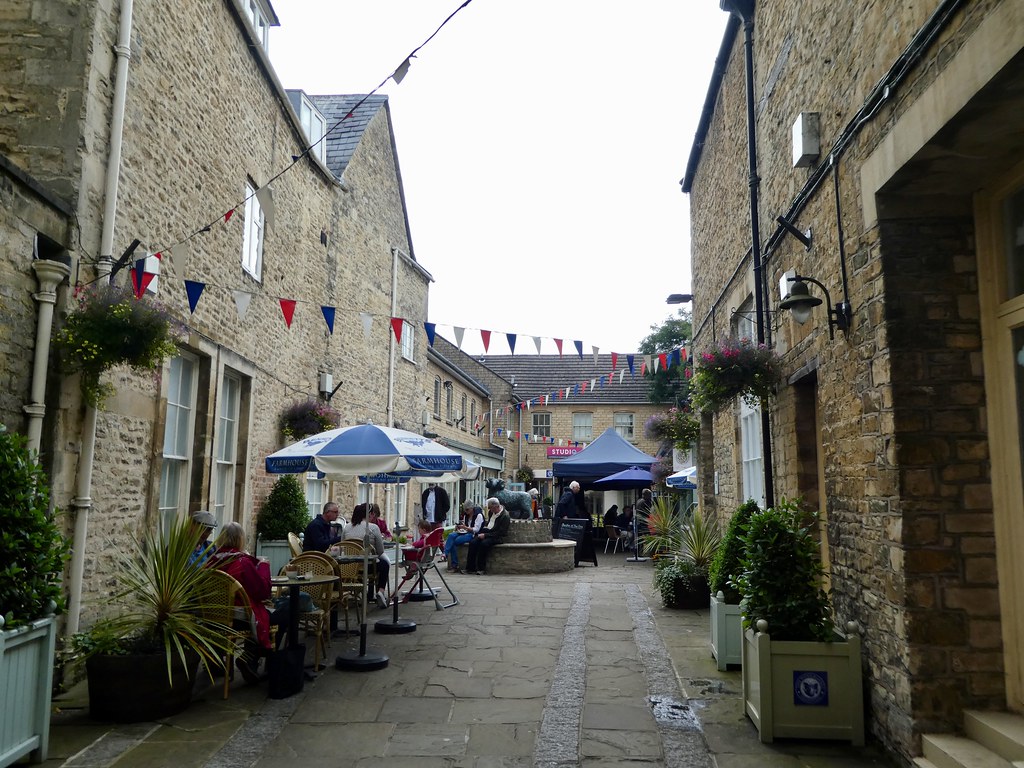
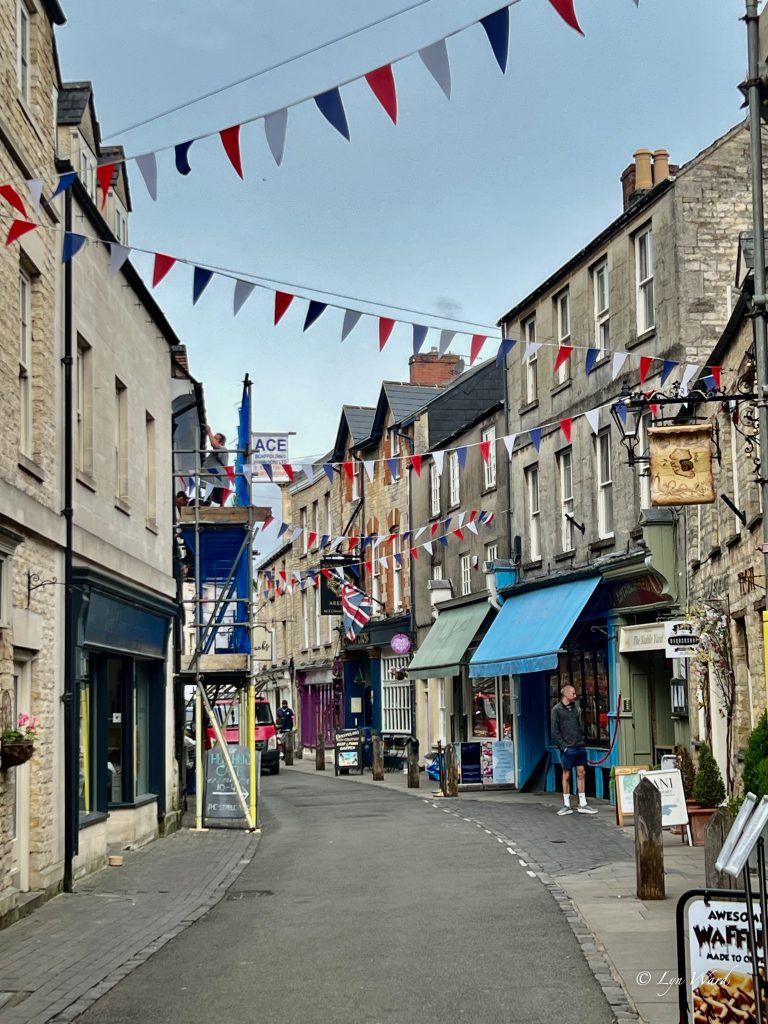
Today, those same streets hum with independent boutiques, artisan food shops and stylish homeware stores. It’s the sort of place where you arrive intending to browse and leave with bags of local cheese, handmade chocolates and something beautiful you hadn’t planned on buying.
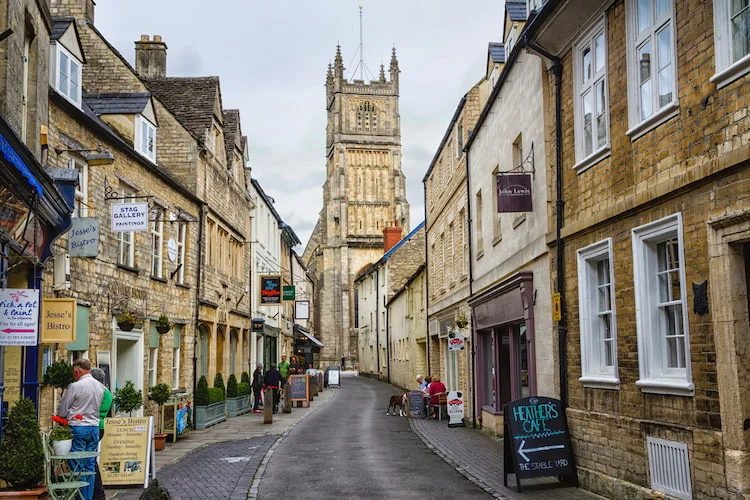
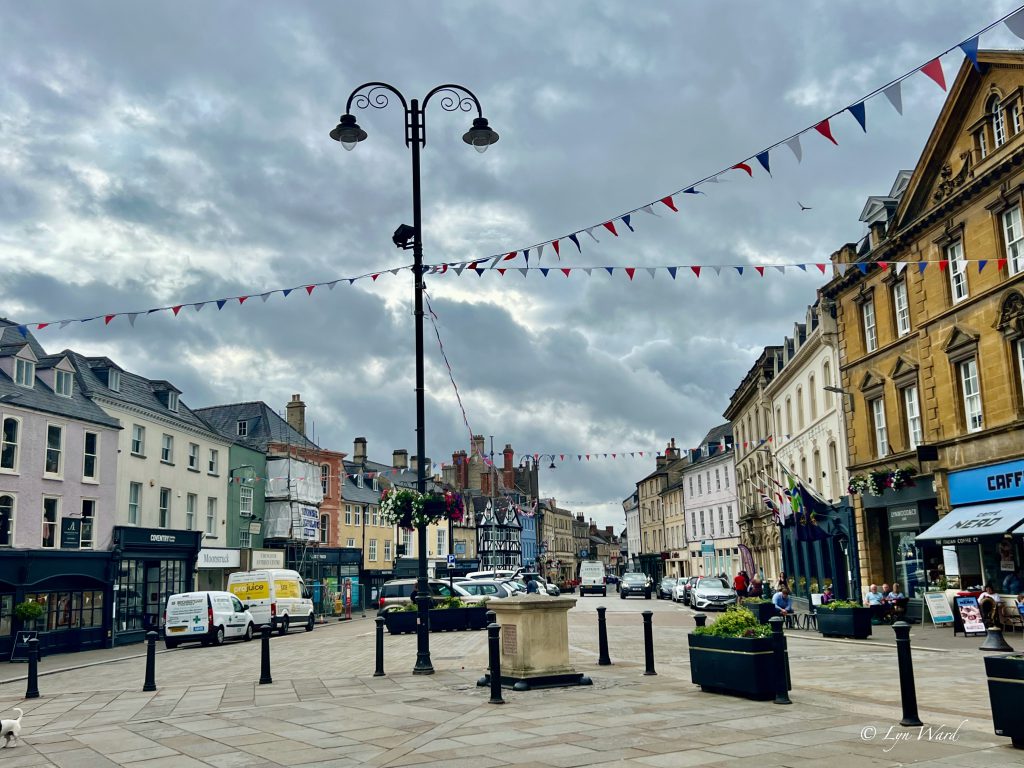
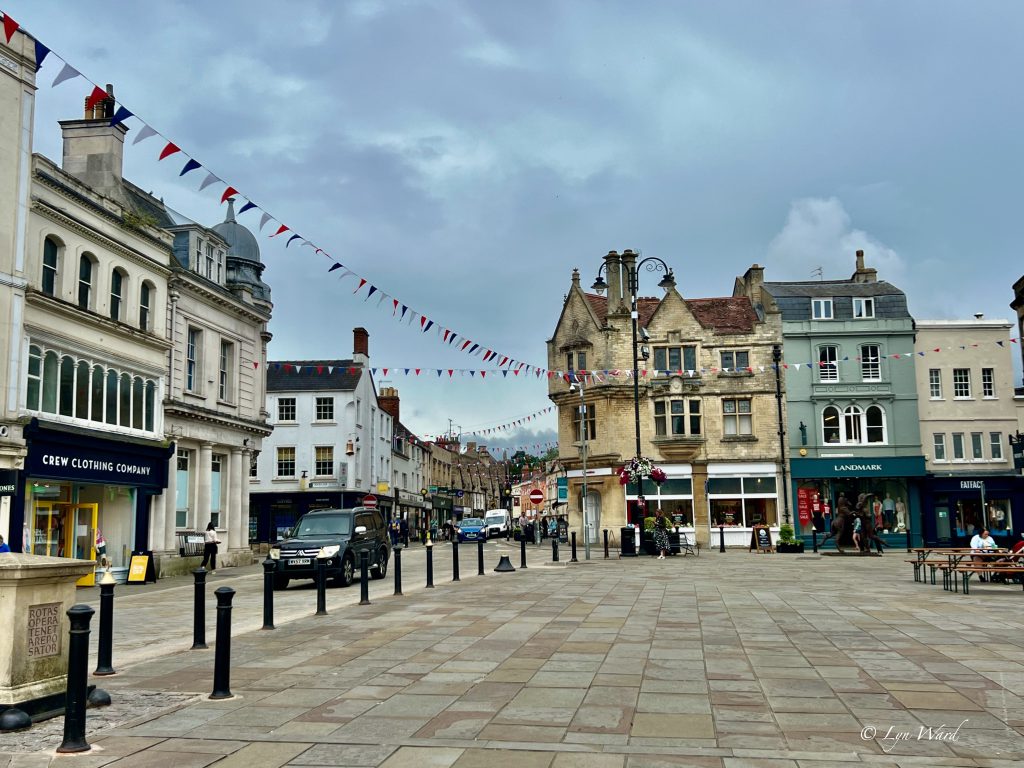
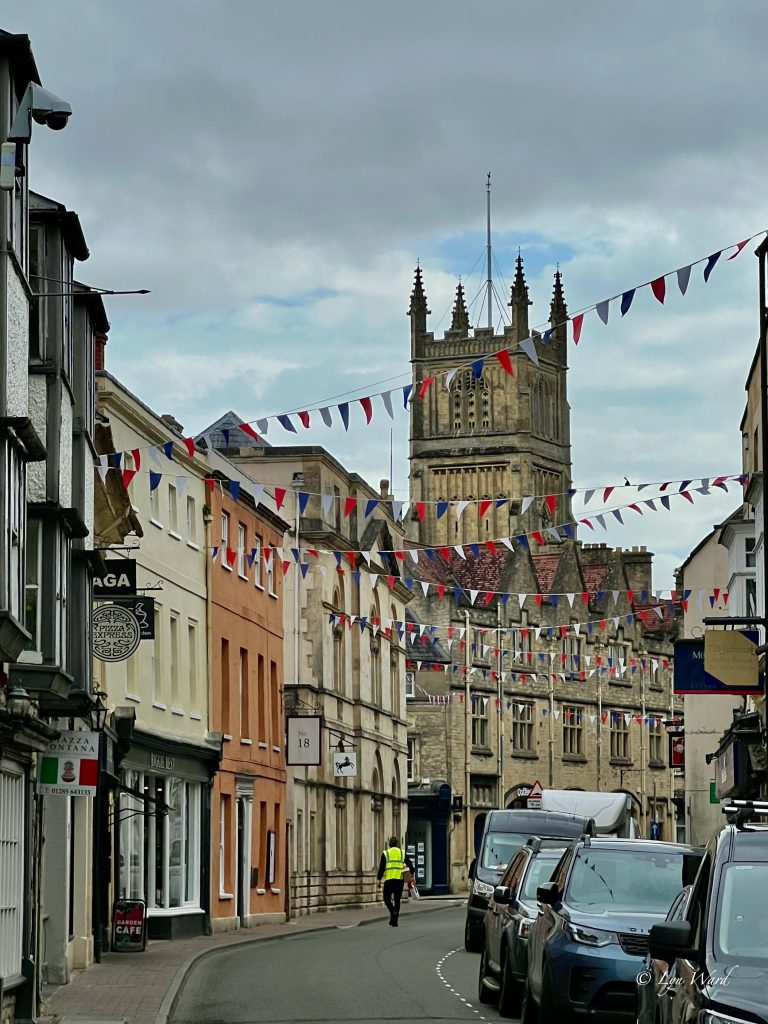
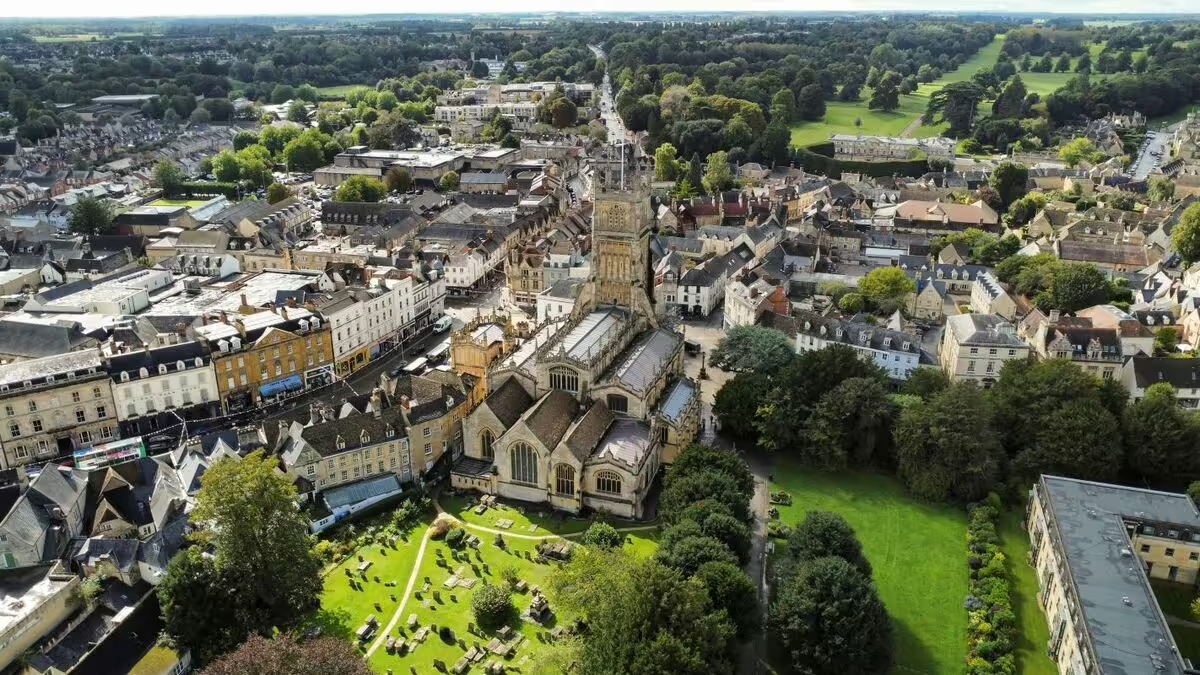
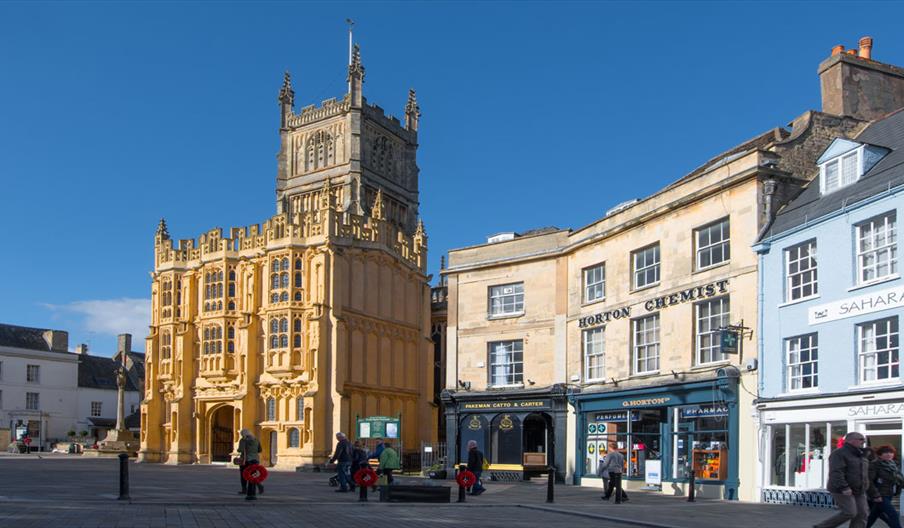
Presiding over it all is the magnificent Parish Church of St John Baptist, which dominates the Market Place and stands as a powerful reminder of Cirencester’s medieval wealth. Widely regarded as one of the finest wool churches in the Cotswolds, its soaring Perpendicular Gothic design, intricate stonework and remarkable fan-vaulted south porch speak eloquently of a town enriched by trade. Step inside and the sheer scale and craftsmanship are breathtaking — a fitting symbol of the ambition and prosperity that shaped historic Cirencester.
A Foodie Favourite
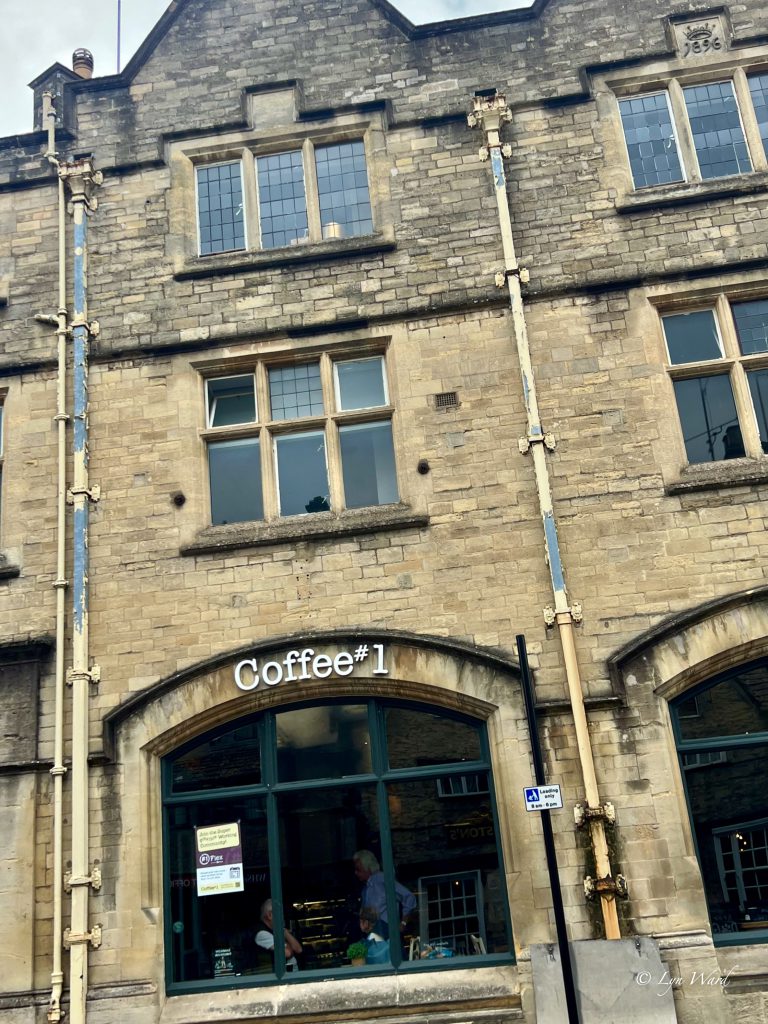
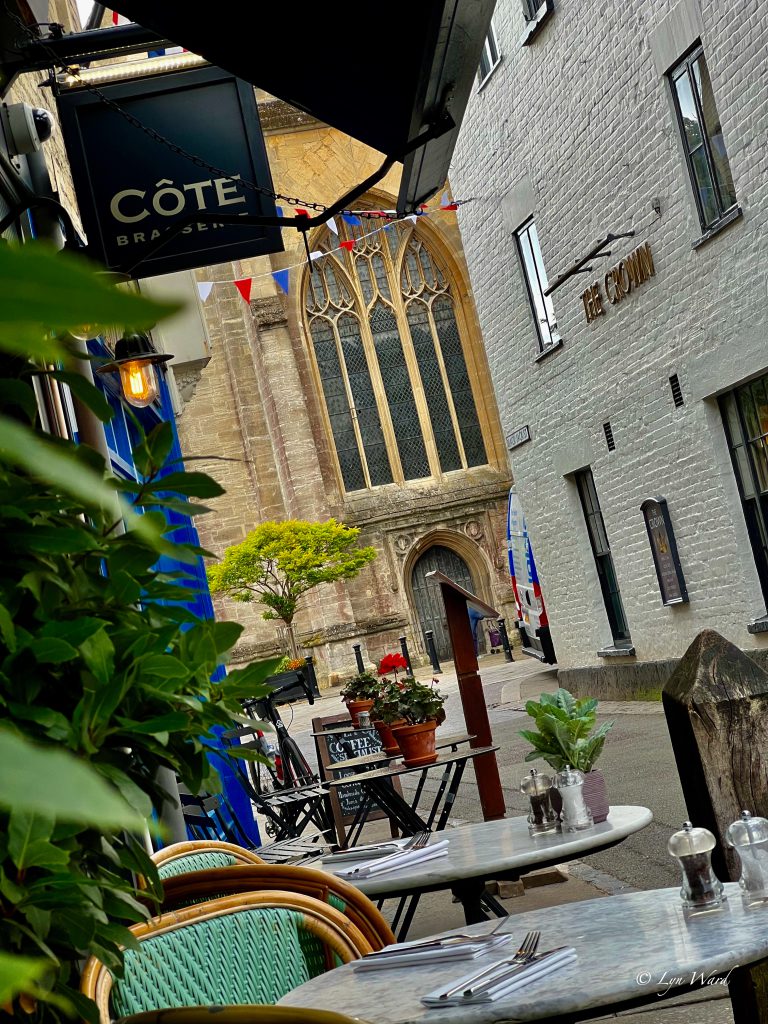
Cirencester’s café culture is equally enticing. Tucked into courtyards and lining the market square, you’ll find everything from cosy coffee spots to refined dining rooms championing seasonal Cotswold produce. The town’s market heritage lives on too, with regular markets that continue a tradition stretching back centuries.
The Perfect Cotswolds Base
Situated in Cotswolds countryside in Gloucestershire, Cirencester is perfectly placed for exploring some of the region’s prettiest villages. The chocolate-box charm of Bibury, the antique shops of Burford, the waterside beauty of Bourton-on-the-Water and the market square elegance of Stow-on-the-Wold are all within easy reach.
Despite its rural setting, Cirencester is surprisingly accessible, located close to both the M4 and M5 motorways — making it an easy weekend escape from London, Birmingham or Bristol.
When to Visit?
Cirencester is a town that comes into its own in every season. Spring and summer stretch out in long, golden days made for browsing markets, lingering in museums and wandering leafy walking trails. Autumn washes the surrounding Cotswold countryside in russet and gold, while winter lends the honey-stone streets a quieter, more atmospheric charm. With its regular markets, cultural events and ever-changing seasonal highlights, Cirencester rewards repeat visits — whatever the time of year.