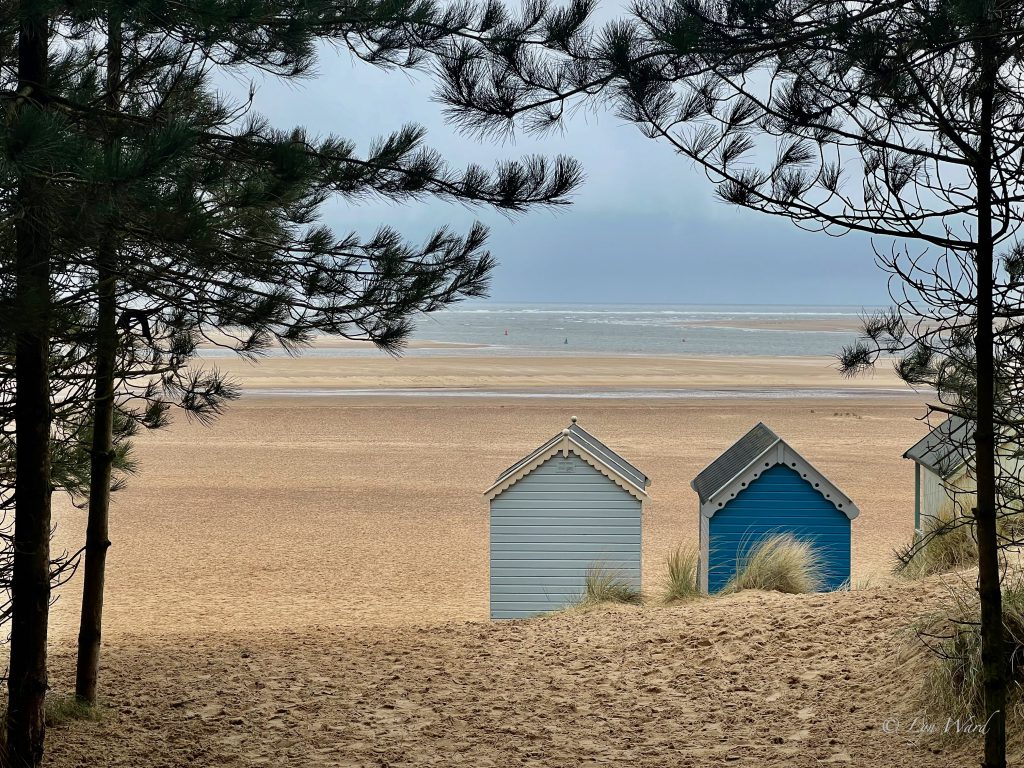
Tucked along the north Norfolk coast, Wells-next-the-Sea is the kind of place that feels as though it has stepped straight from the pages of a storybook. Stripey beach huts stand in neat rows against vast skies, pinewoods fringe sweeping sands, and a working harbour anchors the town firmly to its maritime roots. It is postcard-pretty, certainly — but it is also wonderfully real.
A Beach Framed by Nature
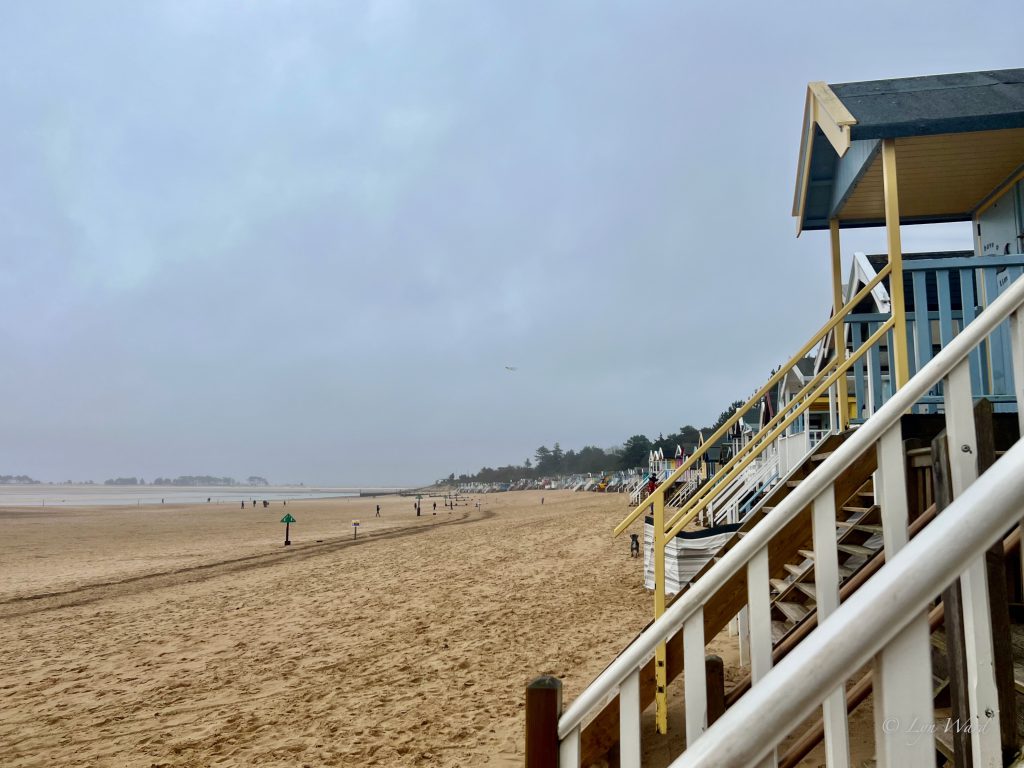
Wells Beach is part of the magnificent Holkham National Nature Reserve, a protected landscape that forms part of the Norfolk Coast Area of Outstanding Natural Beauty. Here, golden sands stretch for miles, backed by dunes and scented pine forests. The air feels fresher, the horizons broader.
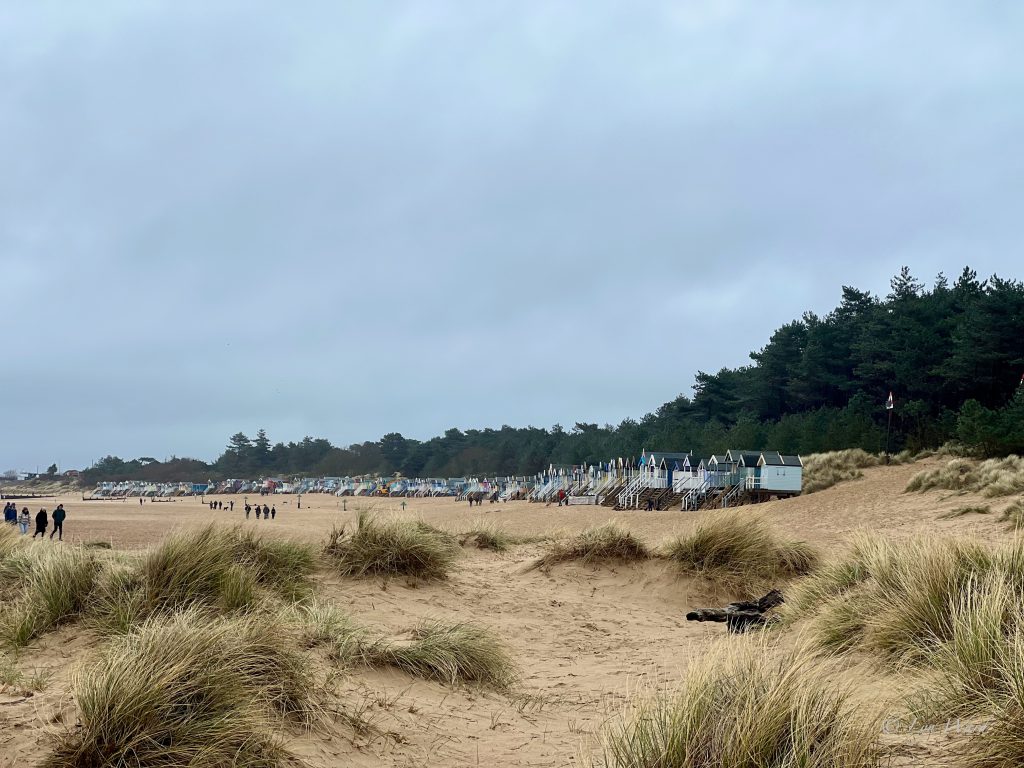
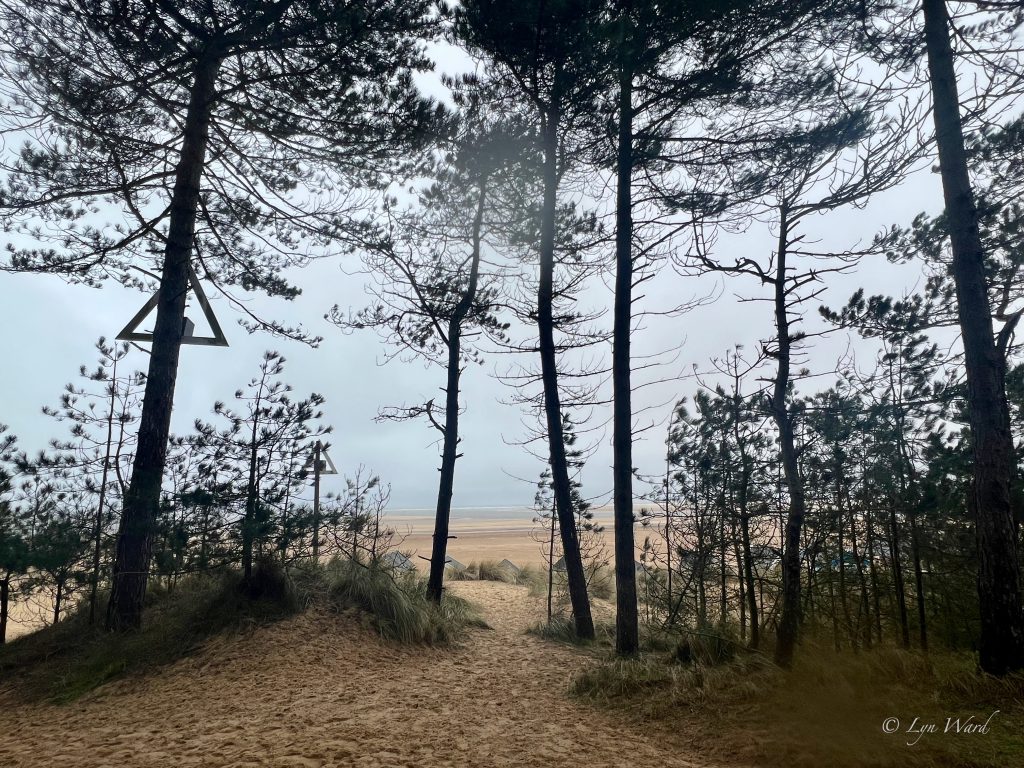
Whether you are walking beneath the whispering trees, scanning the shoreline for seabirds, or simply sitting with the sound of the tide rolling in, this coastline has a rare, restorative quality. Birdwatchers flock here year-round, drawn by migrating species and the rich habitats of marsh and shore. Others come for the simple pleasure of space — space to breathe, think, and wander.
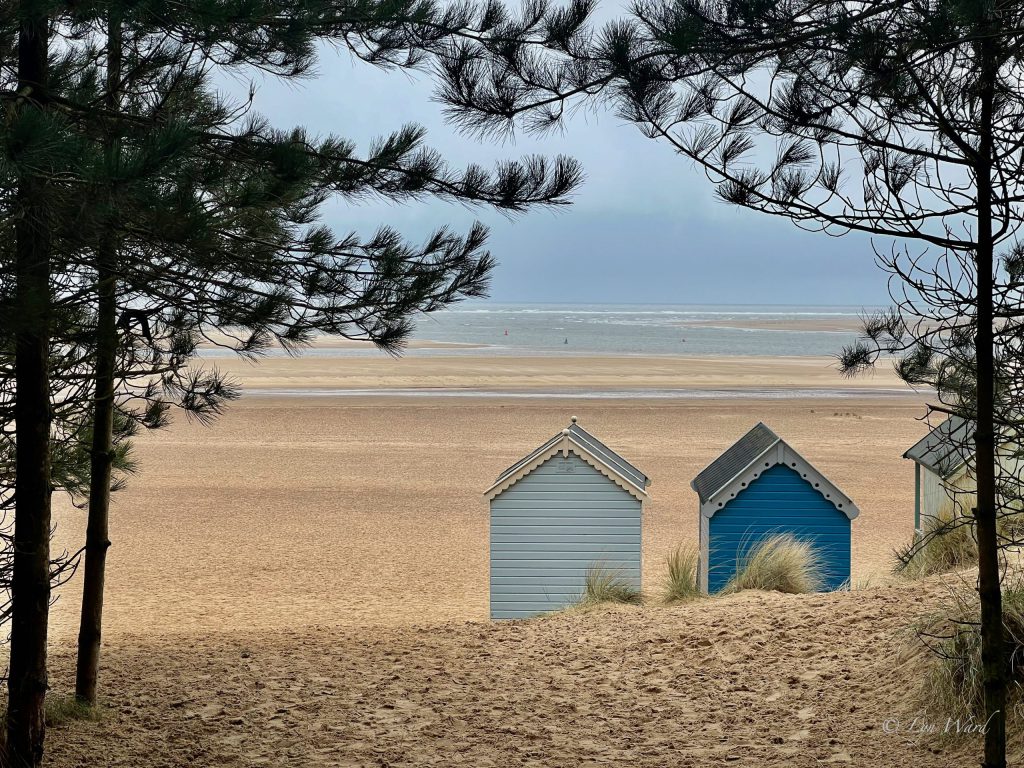
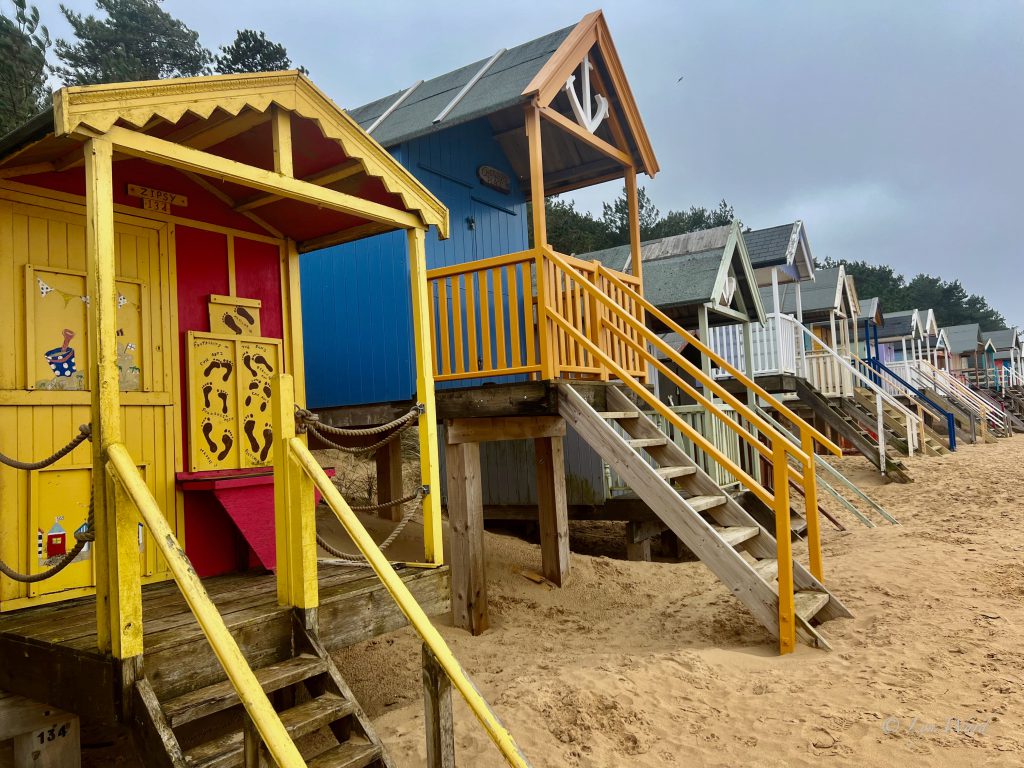
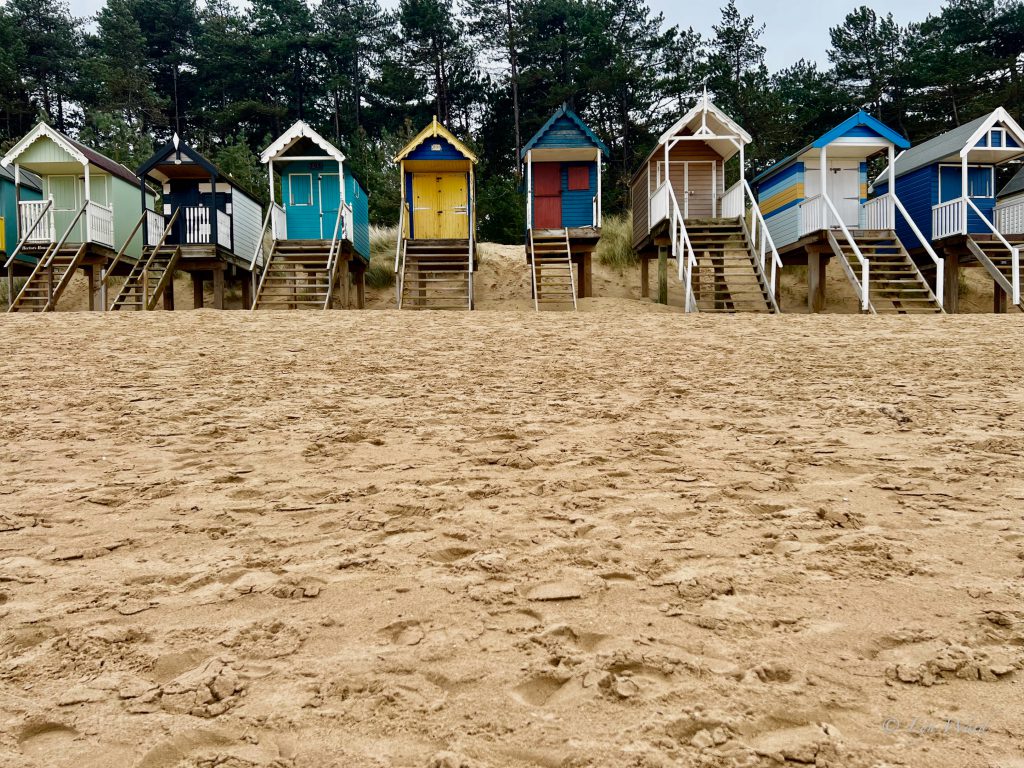
And then there are the huts. Painted in cheerful candy colours, these iconic beach huts have become synonymous with Wells. Hiring one turns a blustery day into a cosy retreat — a place to shelter with a flask of tea, watch the clouds scud past, and wait for the sun to break through again.
Harbour Life and Salty Traditions
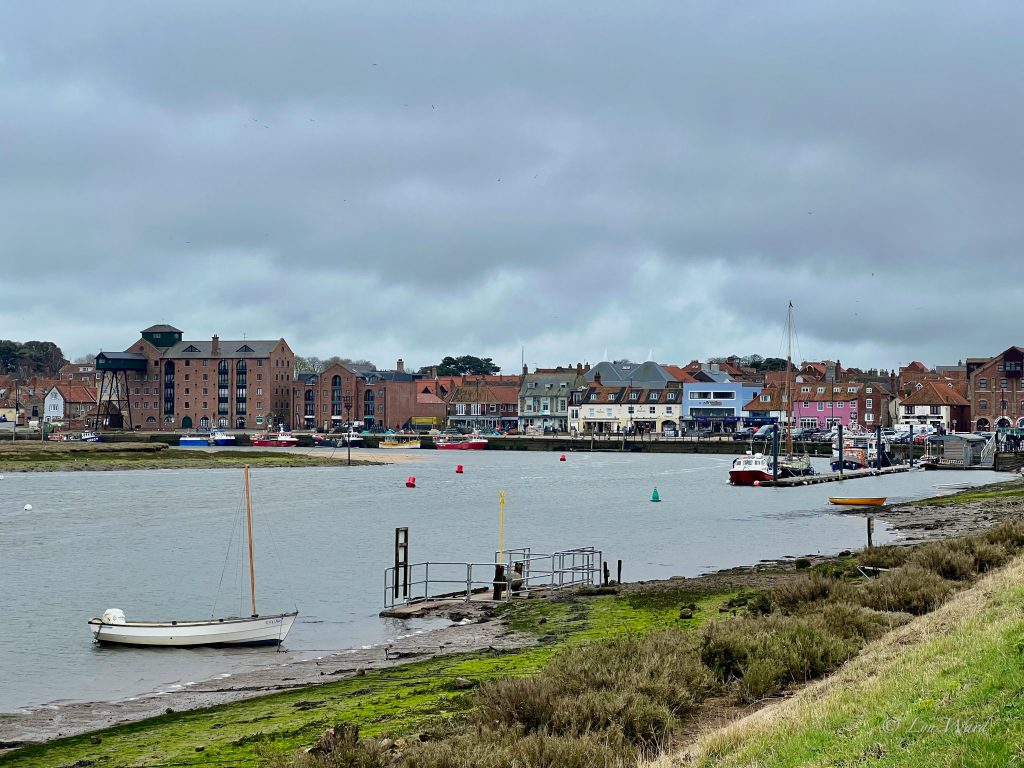
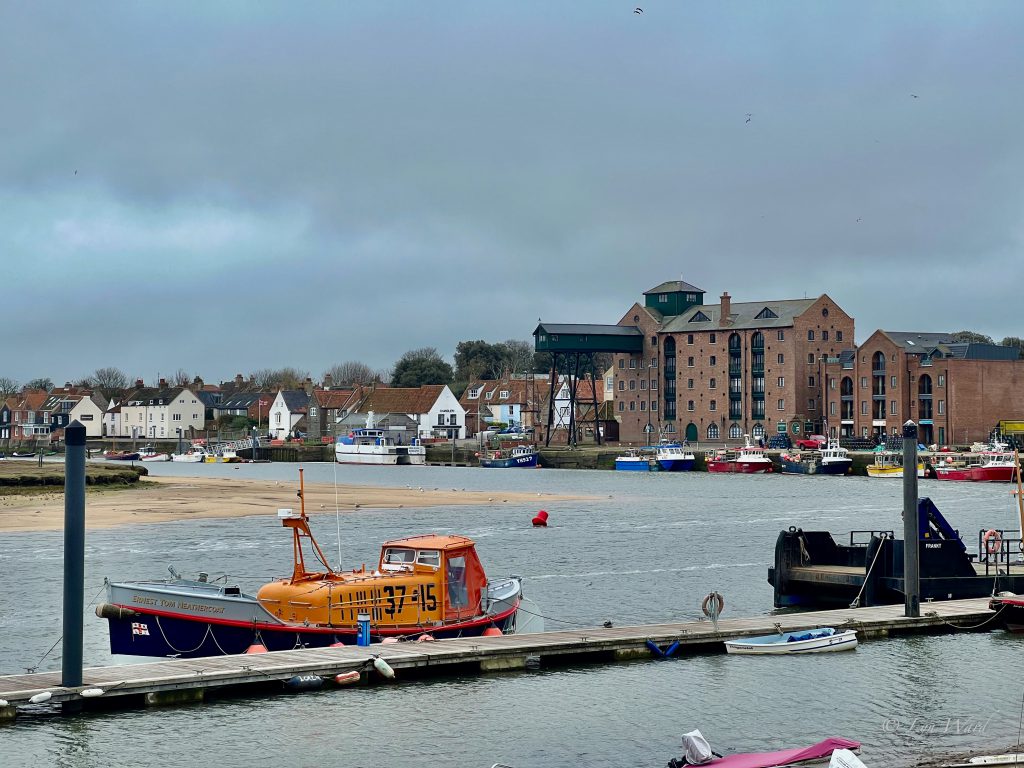
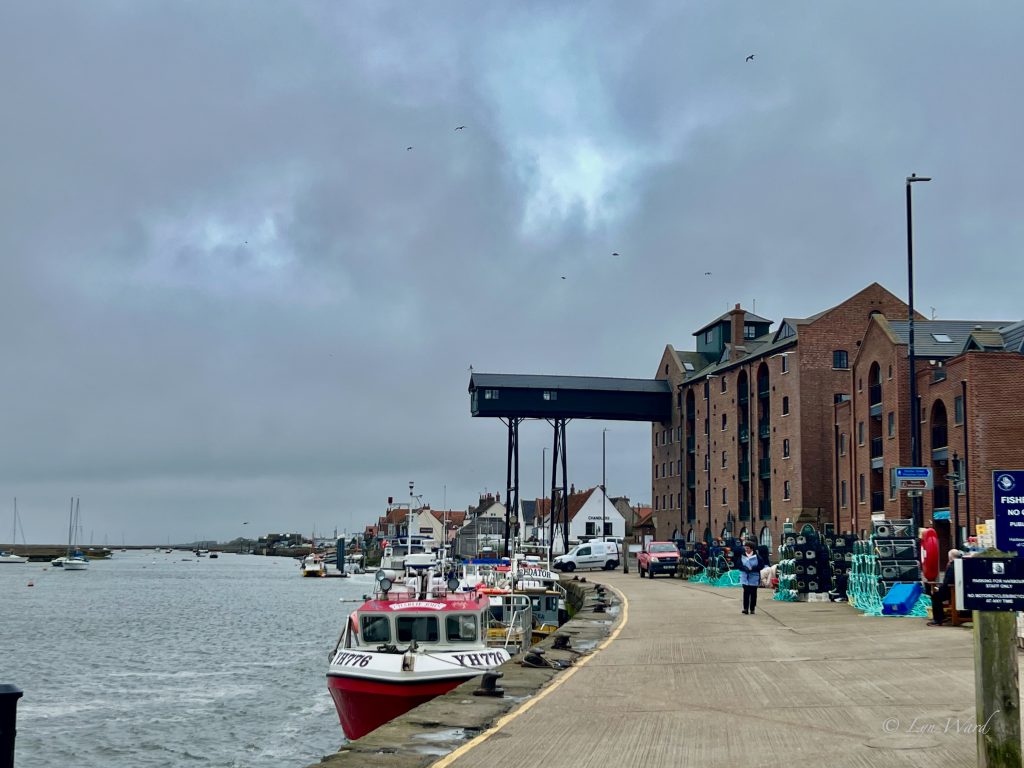
The harbour remains the beating heart of the town. Fishing boats still come and go with the tide, maintaining a centuries-old connection to the sea. It’s the perfect place to pause and watch maritime life unfold — ropes coiled on decks, gulls circling overhead, the gentle clink of masts in the breeze.
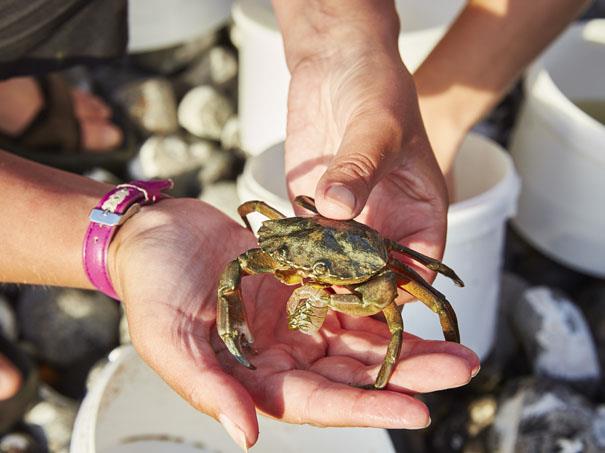
Families gather along the quay with buckets and lines for one of Wells’ simplest pleasures: crabbing. It’s an age-old ritual here, equal parts patience and excitement, and a rite of passage for many young visitors.
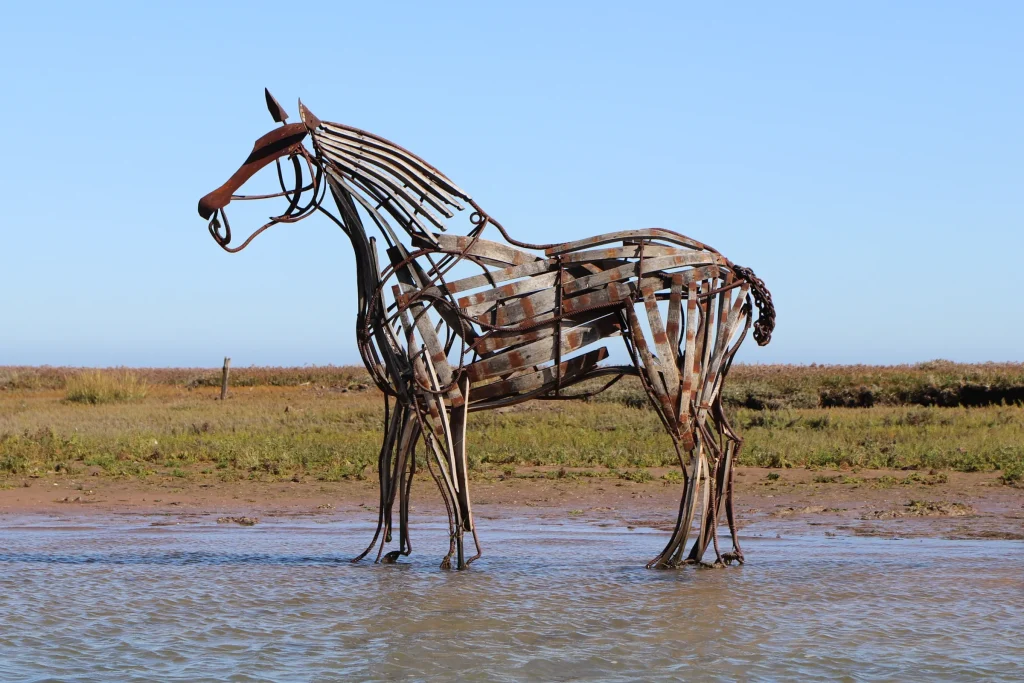
As the tide recedes, another treasure slowly emerges from the harbour sands — the striking Lifeboat Horse sculpture by artist Rachael Long. Revealed and concealed by the rhythm of the water, it honours the powerful horses that once hauled the town’s lifeboat from the quay to Holkham Gap. It is a moving tribute to bravery, strength and the town’s enduring bond with the sea.
Beyond the beach and harbour, Wells charms in quieter ways. Its streets are lined with independent shops, welcoming cafés and traditional pubs where muddy boots are never frowned upon. There is a laid-back ease to daily life here — no rush, no fuss, just friendly conversation and the comforting aroma of coffee drifting through open doors.
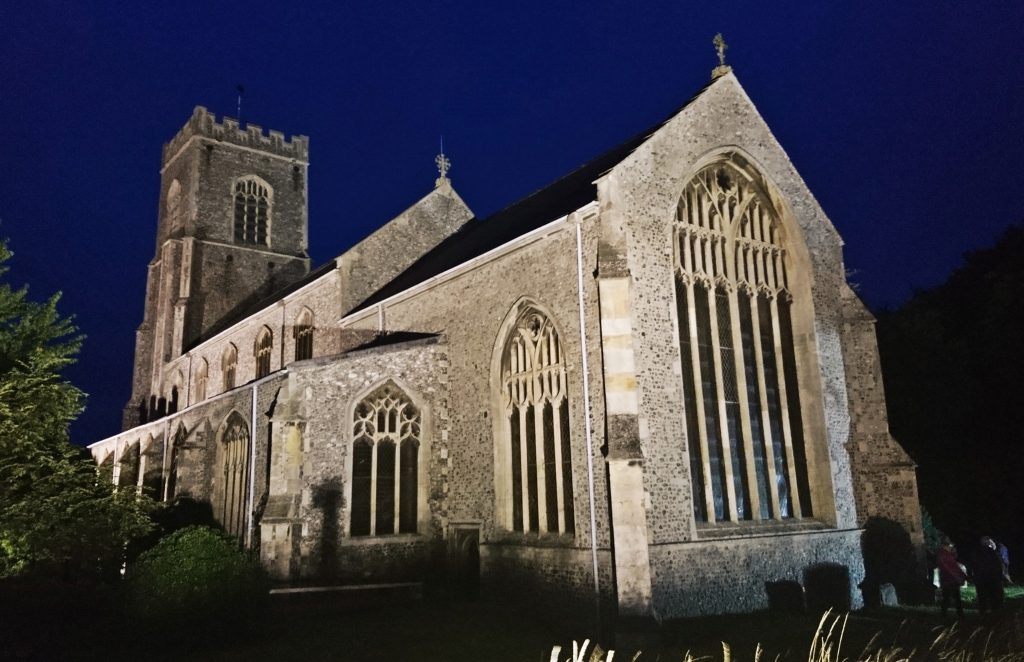
History weaves gently through the townscape. St Nicholas’ Church stands as a proud reminder of Wells’ long past, while the Old Granary speaks of its trading heritage. The town’s architecture tells stories of merchants, fishermen and generations shaped by tides and trade winds.
Feeling hungry?
Hungry visitors are spoilt for choice in Wells-next-the-Sea, where a wide range of restaurants, traditional pubs, cafés and coffee shops cater to every taste and budget. At the end of Beach Road, beside the car park, the popular Wells Beach Café is a welcome sight after a windswept walk.
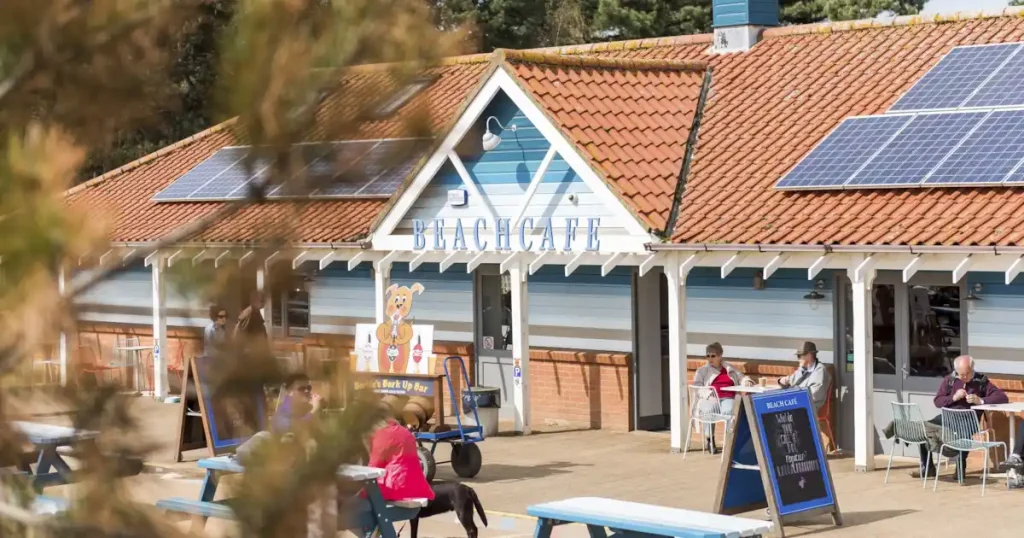
Whether you choose to eat in or grab something to take away, you’ll find everything from bacon baps and hot sausage rolls to freshly made sandwiches, pastries, coffee and cake — with well-behaved dogs warmly welcomed too.
A Seaside Classic
Bring a bucket and spade. Build sandcastles in the shadow of the dunes. Wander the pine-sheltered paths until the sea reveals itself in a sudden sweep of blue. Stay for sunset, when the sky blushes pink and the huts glow softly in the fading light.
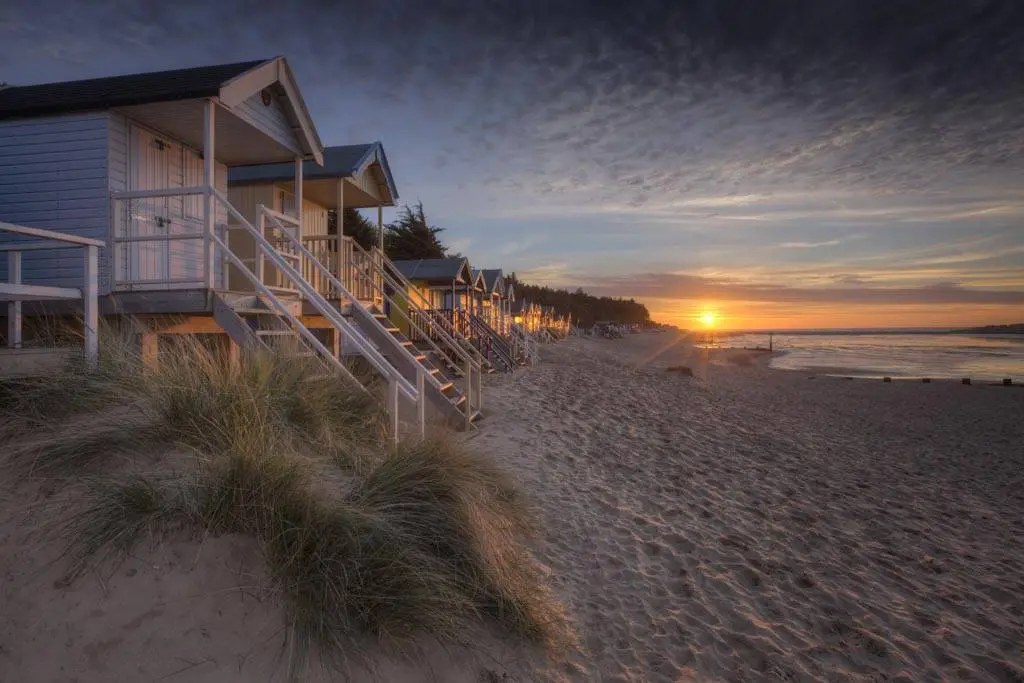
Wells-next-the-Sea is not flashy, and it does not need to be. Its magic lies in simple pleasures — wind on your face, salt on your skin, and the steady rhythm of the tide. In a world that moves ever faster, this Norfolk gem remains gloriously, reassuringly timeless.
Useful information
Your essential guide to visiting Wells-next-the-Sea
A Final Word – Tide Safety
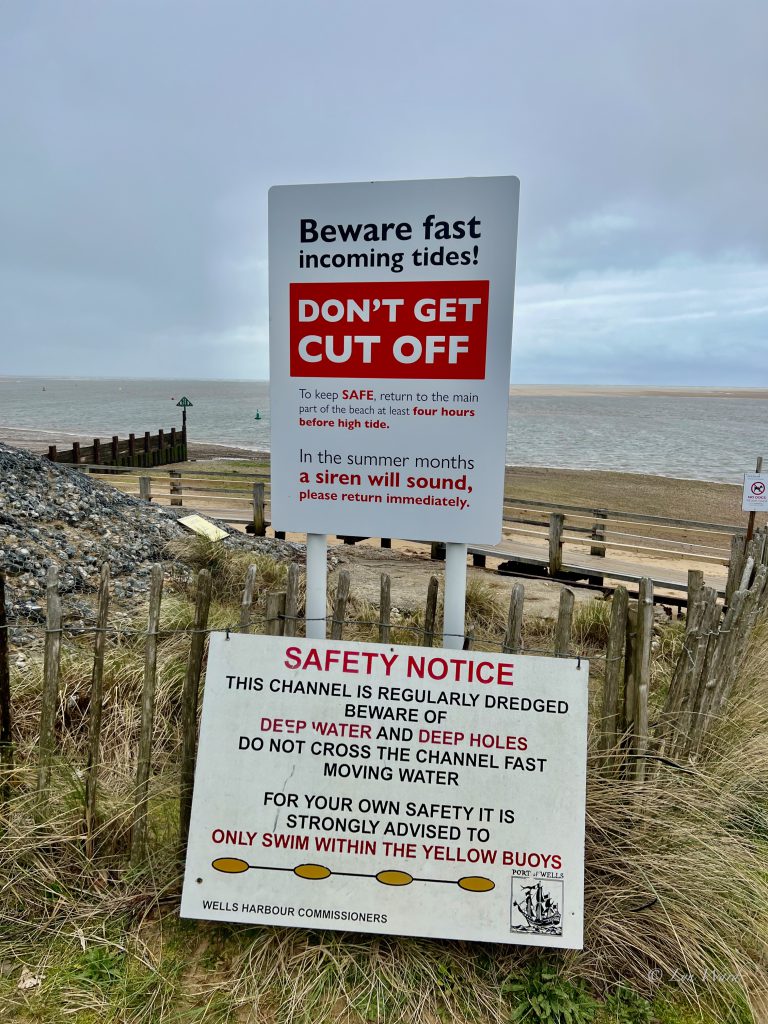
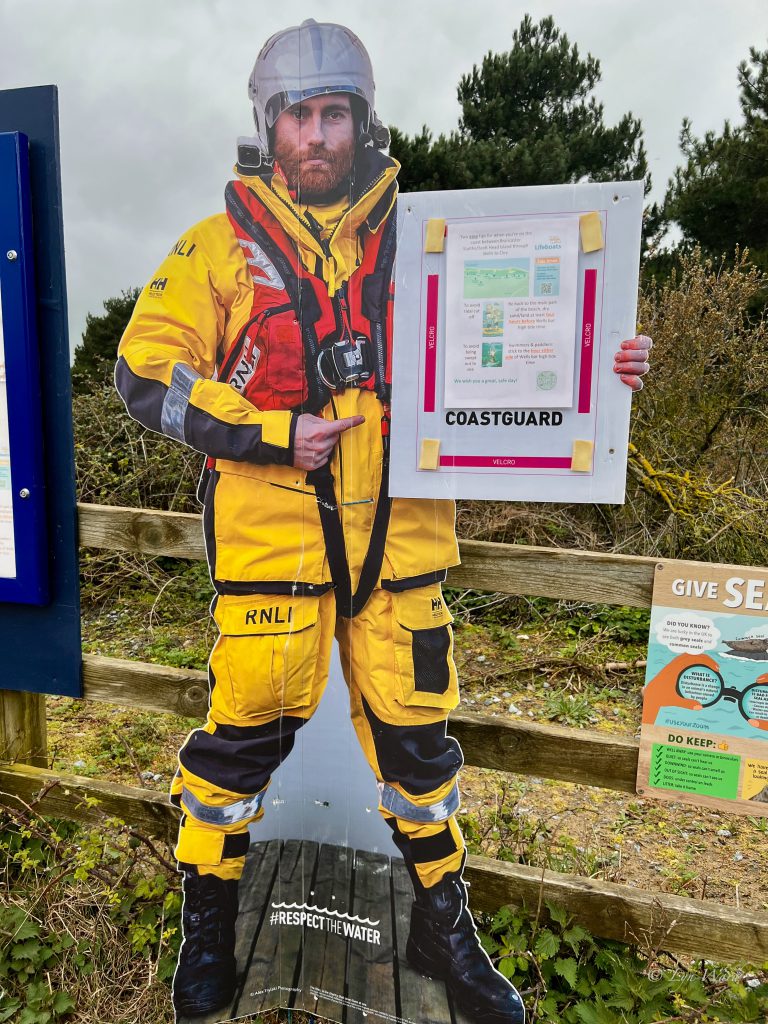
Wells-next-the-Sea beach is known for its vast, fast-rising tides, requiring visitors to return to the main beach or land at least four hours before high tide to avoid being cut off by deep, fast-flowing water. Always check local tide times, heed warnings, stay away from the marsh edge, and call 999 for the Coastguard if trapped.