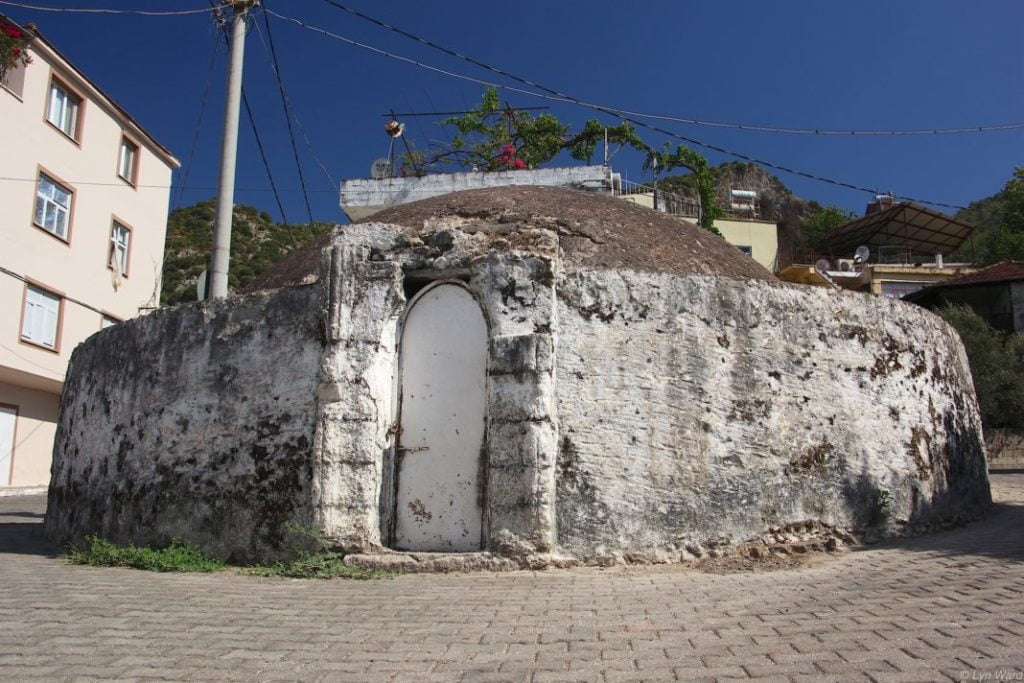
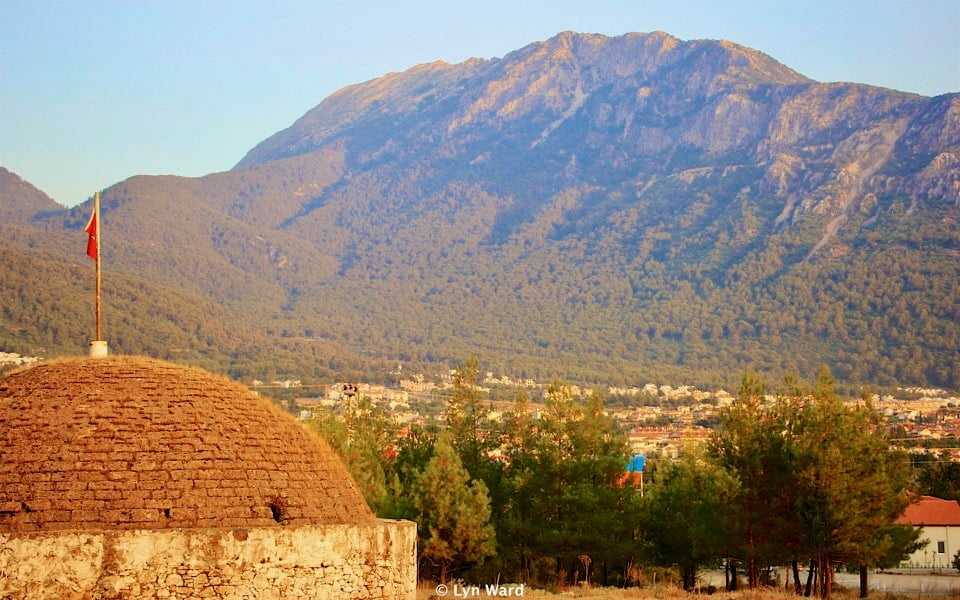
Dotted around towns and villages, scattered across hilltops and beside quiet roads, you will often spot domed, circular stone buildings and wonder what they are.
These are water cisterns (sarnıç in Turkish). Remarkably, around 250 of them can still be found across Muğla province.
The cisterns
Built during the Ottoman period, these structures were designed to collect winter rainwater, which was then used to irrigate fields and provide drinking water for livestock throughout the dry summer months. Rainwater flows over the curved dome and into small channels that run around its edge, passing through openings before collecting in a large reservoir inside.
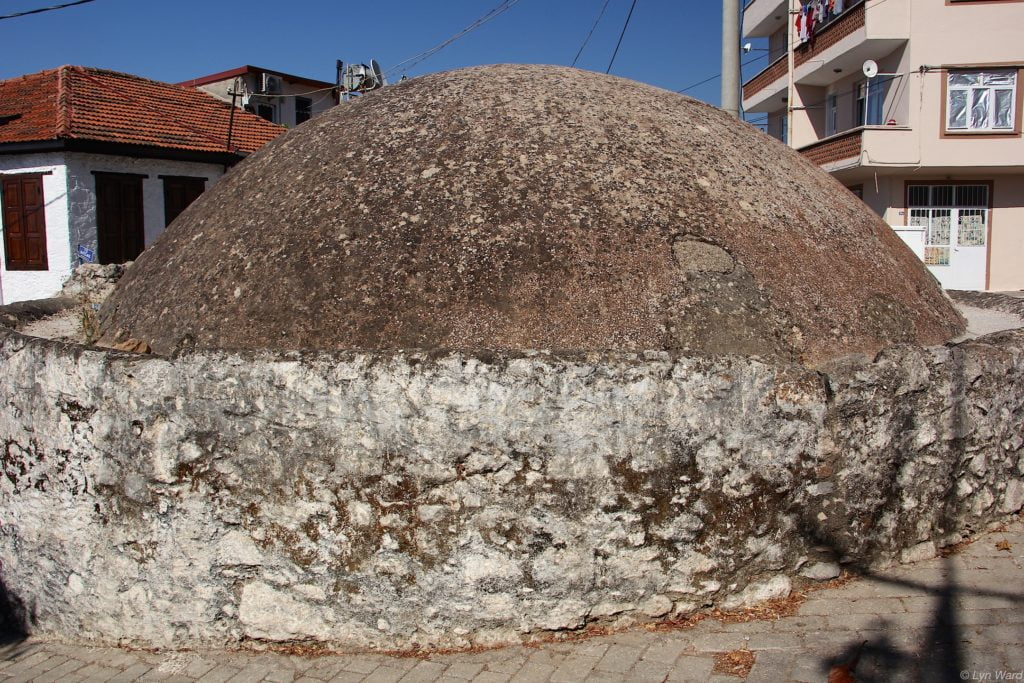
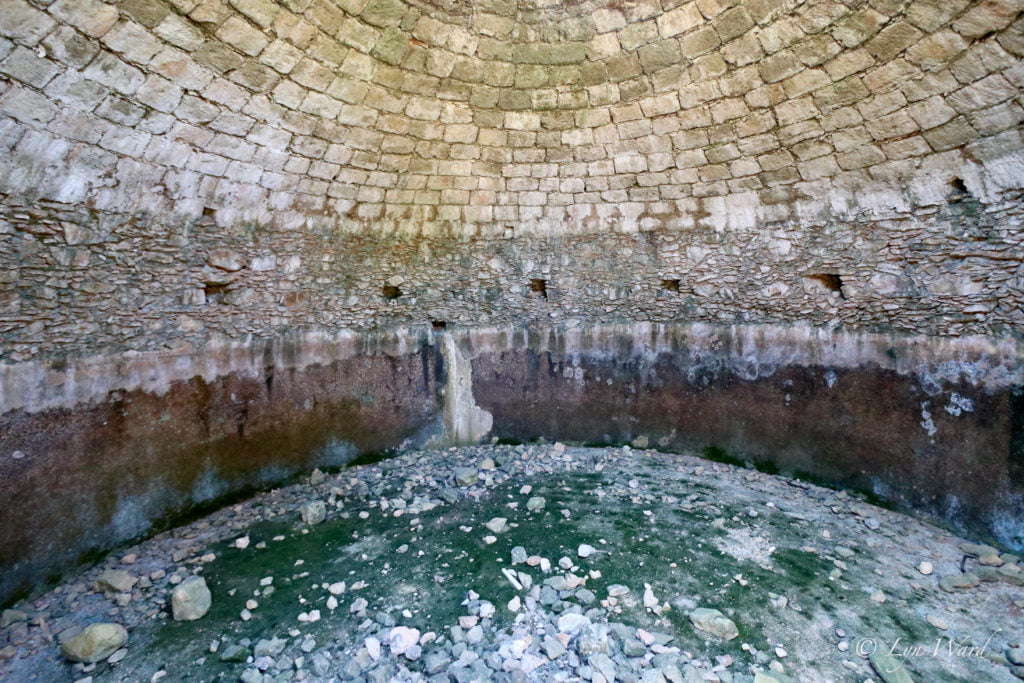
They typically have a diameter of around seven metres. The visible part above ground is about the height of a one-storey house, while the main water reservoir is often buried deep below the surface. Water was traditionally drawn using a bucket attached to a rope.
As modern water-supply systems were introduced, the cisterns gradually fell out of use. Their importance declined, and many were left to deteriorate over time.
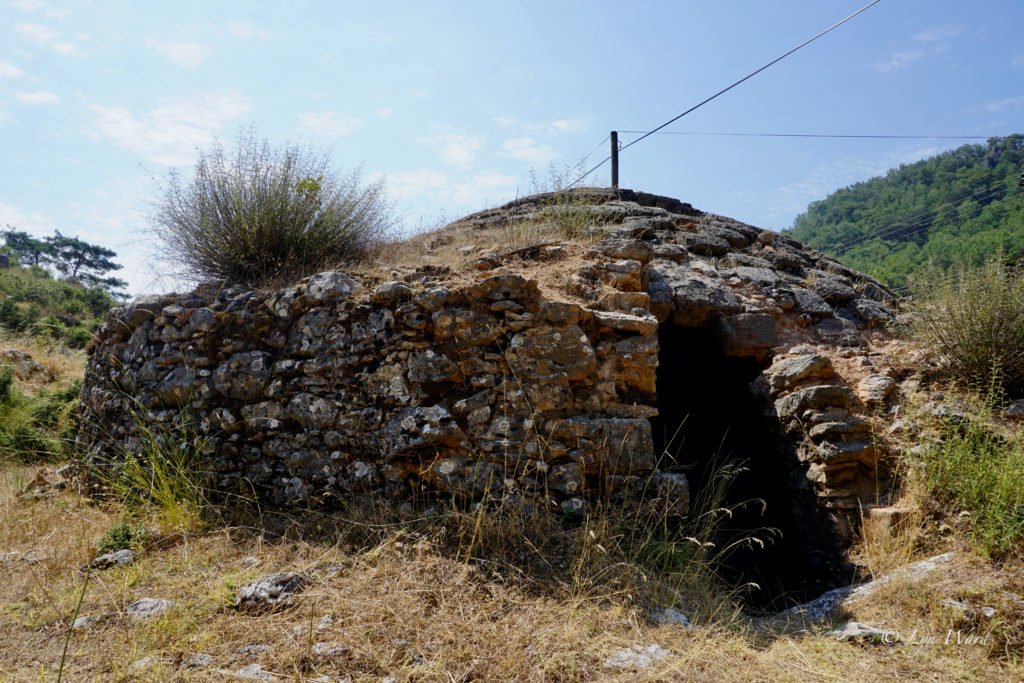
Some are still used to provide water for livestock or to store animal feed.
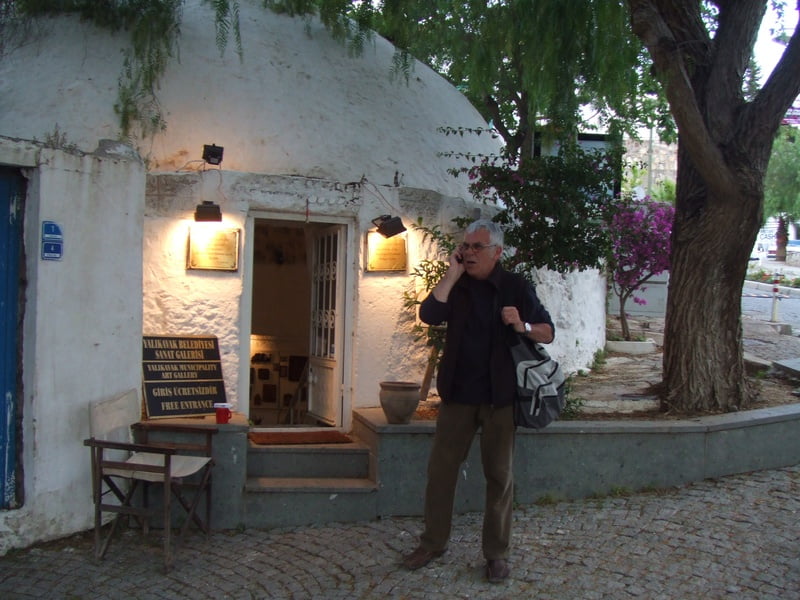
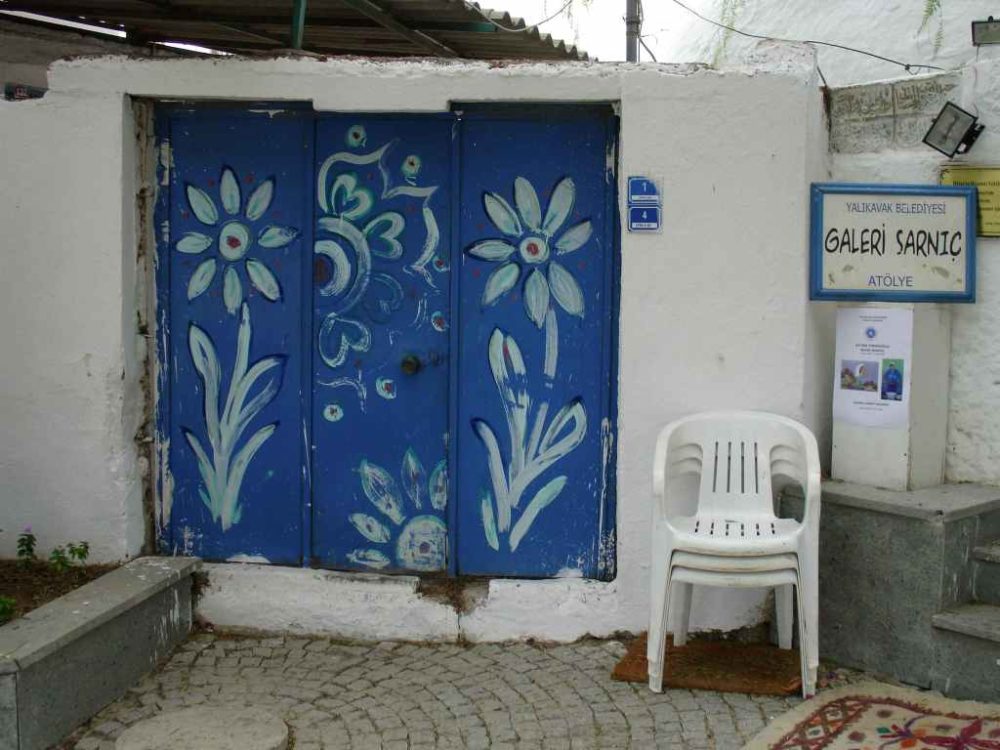
Today, many of these cisterns have been restored, and some have found new purposes. One in Yalıkavak, on the Bodrum Peninsula, has even been transformed into an art gallery.
A square-plan cistern in Alanya, dating back to the 13th-century Seljuk era, is formed of two adjoining vaulted chambers built from rubble stone and mortar. During restoration, two arched openings that once connected the spaces — but had later been sealed — were carefully uncovered, while excavation work was carried out on the roof and around the structure. Following its restoration, the historic cistern has been given new life as a venue for exhibitions and cultural events.
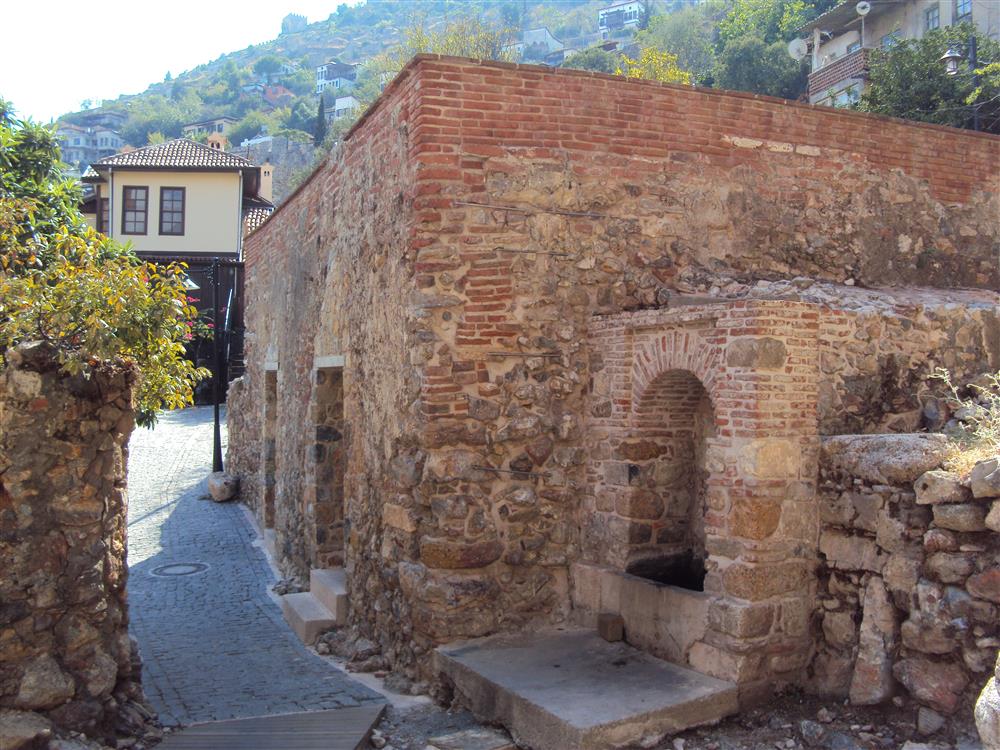
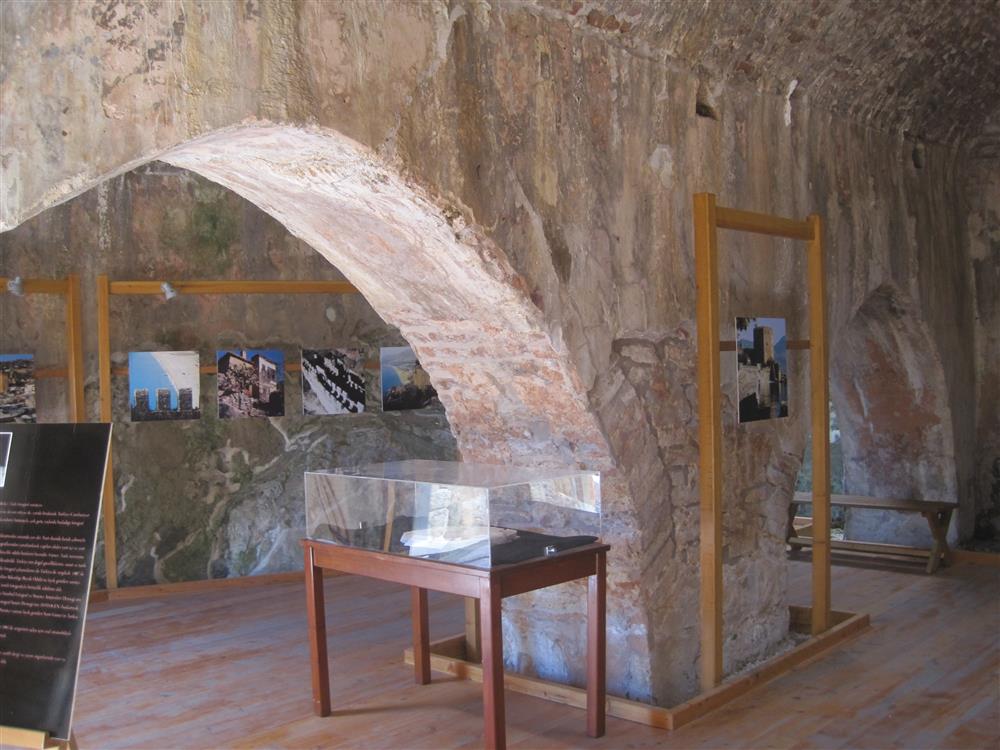
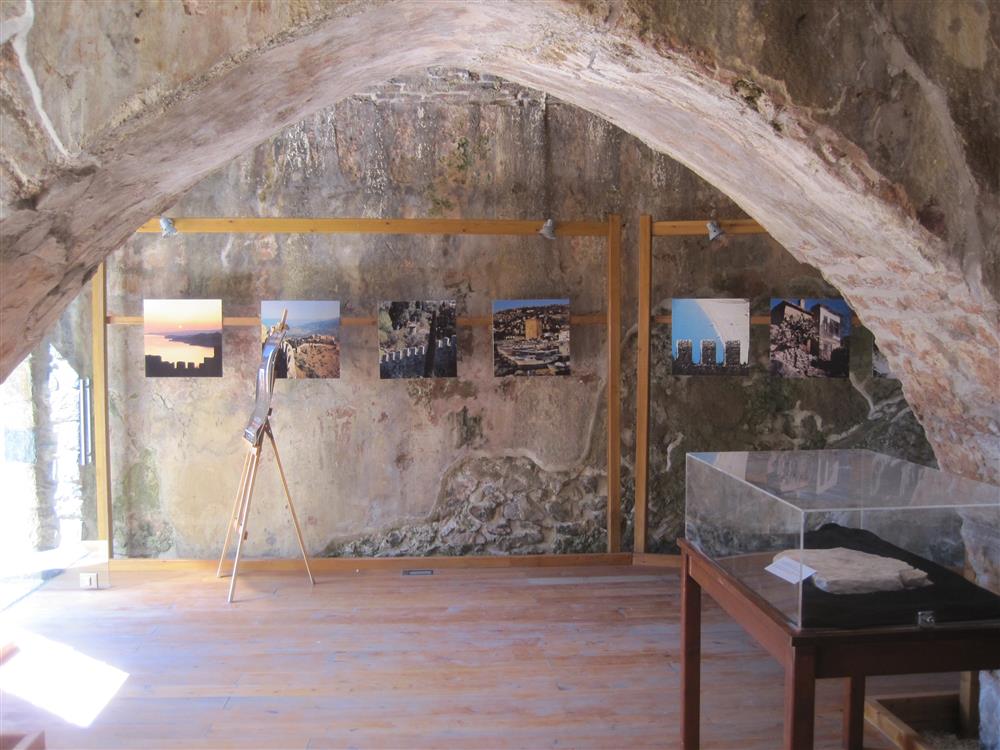
Some simply stand in quiet splendour — enduring relics of a bygone era.
This article was first published on 24 March 2021 and updated on 2 February 2026