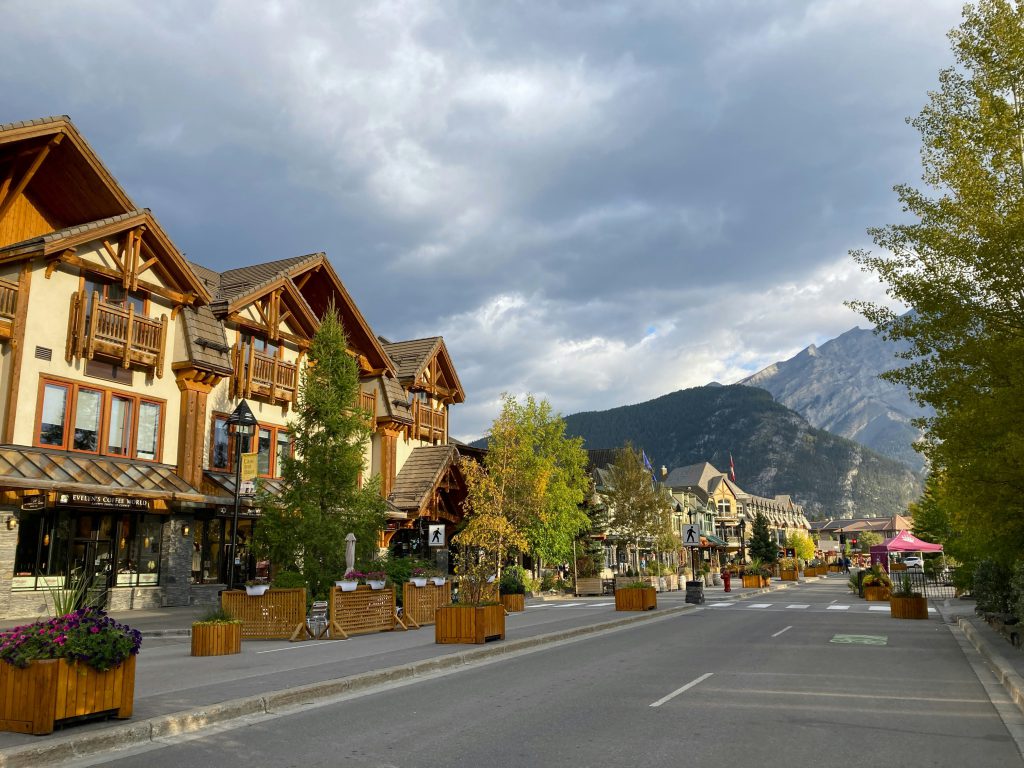
Life in resort towns carries a mix of calm scenery and steady movement that shapes how residents go about their routines. Seasonal swings influence work patterns, social habits, and the overall rhythm of daily life.
Turkey is popular for its beaches and resorts. As Condé Nast Traveler notes, there are popular areas such as Ölüdeniz Beach, which is located near Fethiye. This allows travelers and residents easy access to the busy streets and nightlife of Fethiye.
While many people travel here frequently to enjoy staying at resorts close to beaches, local families also tend to enjoy adventures around these water bodies. They balance outdoor activities with growing digital habits, creating a blend of traditions and modern routines. The steady flow of visitors adds another layer that affects how people connect, relax, and plan their days.
These combined influences shape well-being in ways that feel different from larger cities. This makes coastal communities unique environments where lifestyle shifts are noticed more quickly and felt more personally.
Seasonal Rhythms and Their Impact on Residents
People who work in tourism-heavy areas experience a dramatic shift between peak seasons and slower months. While Turkey appeals in all seasons, Lonely Planet suggests that the best time to visit the country for sightseeing is from March to May.
Summer brings temperatures that are warm enough for outdoor travel and dining but not oppressively hot. You can enjoy the Newroz Festival, the European Jazz Festival, and the Tulip Festival during this time.
High summer activity often brings extended workdays, irregular schedules, and limited opportunities for rest. Once the season winds down, the abrupt change can create long stretches of slower days that feel emotionally draining.
Local community hubs have stepped in to help fill the quieter periods with art workshops, informal meetups, and interest-based gatherings. These efforts create supportive spaces that encourage residents to engage with one another beyond their digital routines.
How do children and teenagers handle the shift between busy summers and quiet winters?
Younger residents often adapt by changing how they spend their free time. During summer, they may enjoy social activities or part-time jobs, while winter encourages more home-based hobbies or creative projects. Schools and youth groups sometimes plan indoor gatherings to help maintain social connections during slower stretches of the year.
Digital Routines and Their Growing Influence
As in many other regions, screen-based entertainment has become a consistent part of life for many families in resort towns. Evenings that once revolved around outdoor strolls, waterfront gatherings, or neighborhood chats now include a mix of online shows, virtual chats, and interactive games.
Netflix lists Another Self, As the Crow Flies, The Club, and Fatma as some of the finest Turkish TV shows to watch. Others, such as The Gift, Love 101, Shahmaran, and The Tailor, can easily consume hours of online streaming.
The same goes for video games. Fast Company states that the country has built a thriving gaming industry. Around 92% of the Turkish population with access to the internet plays some sort of game. This can become especially concerning given the potential negative effects of excessive gaming.
According to TorHoerman Law, many people worldwide claim that some developers have intentionally designed video games to be addictive, exploiting psychological vulnerabilities—especially among teens and young adults.
As a result, concerns related to video game addiction lawsuits are drawing attention among families. Such discussions are encouraging more open dialogue about the role of digital activities in resort towns as well.
How do residents of resort towns try to balance online entertainment with outdoor activities?
Many families set aside specific times for outdoor walks, market visits, or café meetups to avoid falling into all-evening screen habits. Some households encourage shared offline hobbies such as gardening or cooking. These small routines help maintain variety and prevent digital habits from becoming the default option each day.
The Role of Local Spaces in Well-Being
Outdoor areas continue to influence how residents maintain a sense of steadiness throughout the year. Beaches, markets, nature paths, and waterfront promenades remain central to relaxation and social connection.
Many locals say they feel better when they maintain a steady relationship with these spaces, especially during periods when indoor entertainment becomes more tempting. In fact, heading to the beach is known to have a positive influence on mental health.
A National Geographic article highlights that the coast has been considered a place of healing since the 18th century. European doctors once included beach time in their prescriptions for conditions such as tuberculosis and leprosy. Bathing in—and even drinking—mineral-rich seawater was believed to help treat these illnesses.
Even today, beaches are known to reduce stress and mental pressure. They also help some people cope with pain. After spending time by the water, many people report sleeping more deeply at night, allowing the body time to rest and recover.
Shifts in visitor preferences are also shaping the atmosphere of resort towns. Travelers increasingly value slower experiences that prioritise nature, local culture, and wellness-focused activities. This creates opportunities for residents to reconnect with environments that may feel crowded or energetic during peak seasons.
Health Habits Evolving With New Lifestyles
Turkey is well known for its wellness tourism market. A Research and Markets report concludes that the market is expected to grow at a CAGR of 10.51% until 2029. Valued at $1.89 billion in 2023, it is projected to reach $3.48 billion by the end of the forecast period. Local communities in resort towns are benefiting from this growing trend as well.
Daily health practices have changed as digital habits and seasonal shifts influence routines. Some residents incorporate more indoor workouts, home-based stretching routines, or meditation apps during cooler months. Others find renewed energy through outdoor exercise once crowds thin out and local paths become more accessible.
Local wellness professionals note that consistency matters more than intensity in resort communities. Finding small ways to maintain movement and fresh-air time throughout the year helps counterbalance the uneven pace of seasonal living. These steady habits contribute to a sense of grounding amid cycles of busy streets and quieter periods.
What motivates resort town residents to stay active even during the quieter months?
Many people recognise that movement helps maintain a stable mood when the town feels slower and quieter. Cooler months invite activities such as brisk walks, light jogging, or simple stretching routines at home. These habits support steady energy levels and help counter feelings of sluggishness that can accompany the off-season.
Resort towns are changing in ways that reflect broader lifestyle patterns across modern communities. Digital habits, seasonal rhythms, and evolving social preferences all play a role in shaping daily routines.
Residents who balance these influences with outdoor time, meaningful interactions, and steady engagement with local spaces often experience a stronger sense of well-being.