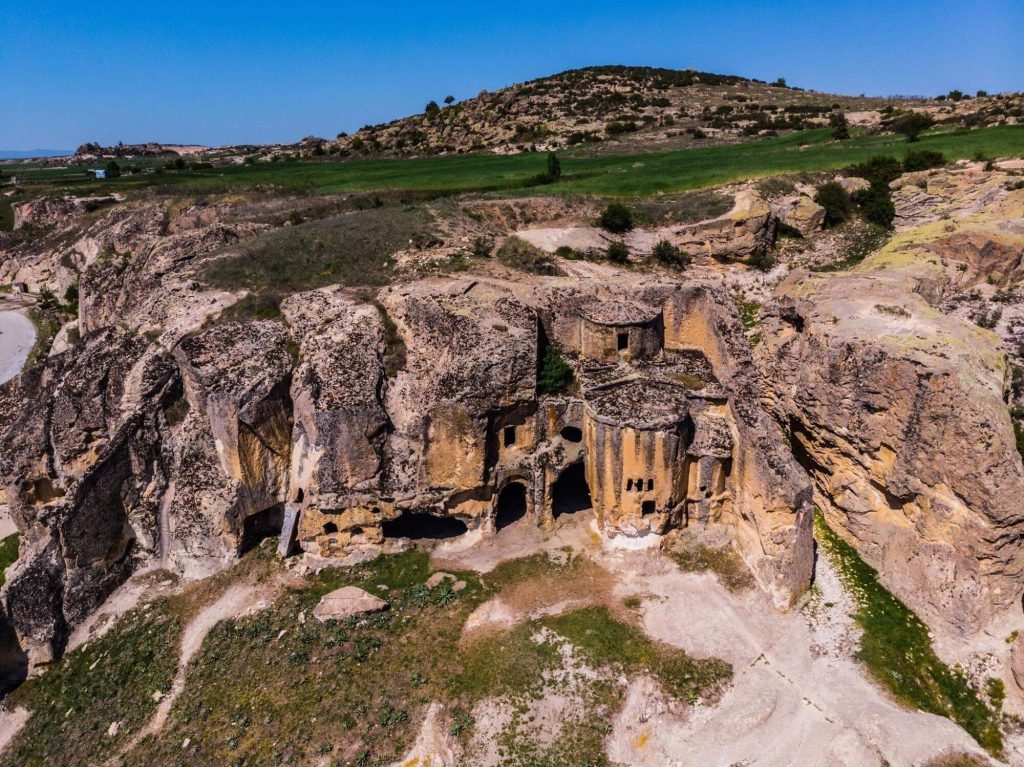
Tucked away in the wide, rolling uplands between Seyitgazi and Afyonkarahisar, the Phrygian Valley — Frig Vadisi — feels like a secret that Anatolia has chosen to keep. This is not a landscape that shouts for attention. It whispers instead, with wind moving through carved rock, birds circling forgotten temples, and the quiet presence of civilisations that once shaped the world.
British writer David Barchard once described the region as a place where “Everywhere along its roads one sees monuments and fragments, chunks hewn from the past, that has almost assumed the status of legend: the times of Midas, Gordius, Alcipiades, and Seyyit Battal Gazi, the Romans, Seljuks and Ottomans.” In the Phrygian Highlands, history does not sit in museums — it rises straight from the earth.
Land of Kings, Myths and Monuments
Long before Rome, before Byzantium, before the Seljuks or the Ottomans, this land belonged to the Phrygians, a powerful Anatolian civilisation that flourished here for almost 500 years after the collapse of the Hittite Empire around 1150 BC.
Their most famous ruler, Midas, turned everything he touched to gold — or so the legend goes. But his real legacy lies carved into towering rock faces across the valley.
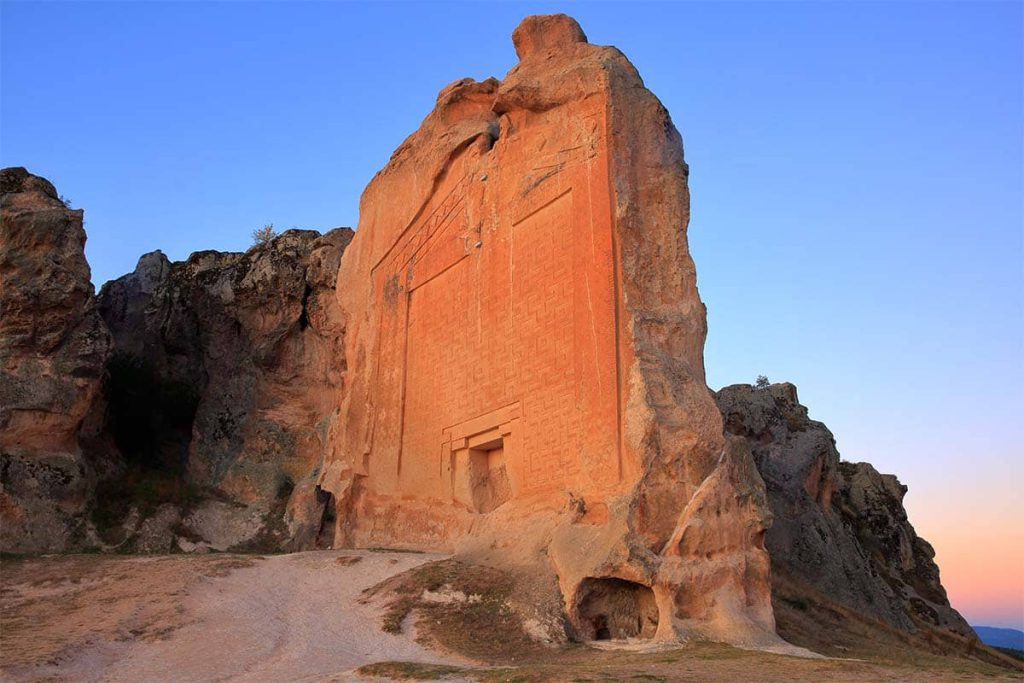
The greatest of these is the Midas Monument (Yazılıkaya), a monumental rock façade rising from a lonely plateau, etched with geometric patterns and Phrygian inscriptions that scholars still cannot fully decipher. It feels less like a ruin and more like a gateway into another age.
Nearby, the Gerdekkaya Mausoleum and the Lion Tomb at Kümbet stand as reminders that this was once a land of kings, rituals, and sacred landscapes.
From Pagan Shrines to Christian Caves
Centuries passed, and new cultures arrived. Early Christians carved churches and homes into the soft volcanic rock, especially around Ayazin. These cave chapels, with their simple arches and worn frescoes, are cousins of the famous cave churches of Cappadocia — but here they remain quiet, unpolished, and almost untouched by tourism.
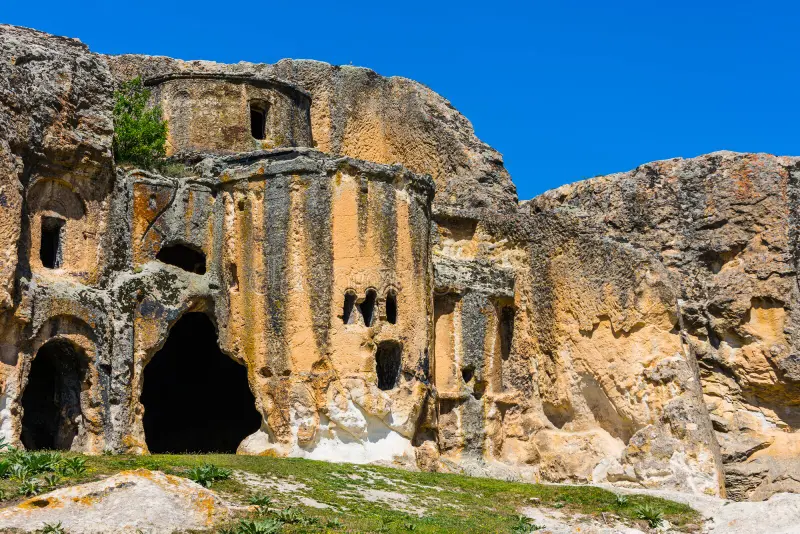
Scattered through the valleys are entire underground settlements, chambers, and tombs, still connected by paths once used by monks, traders, and villagers over a thousand years ago.
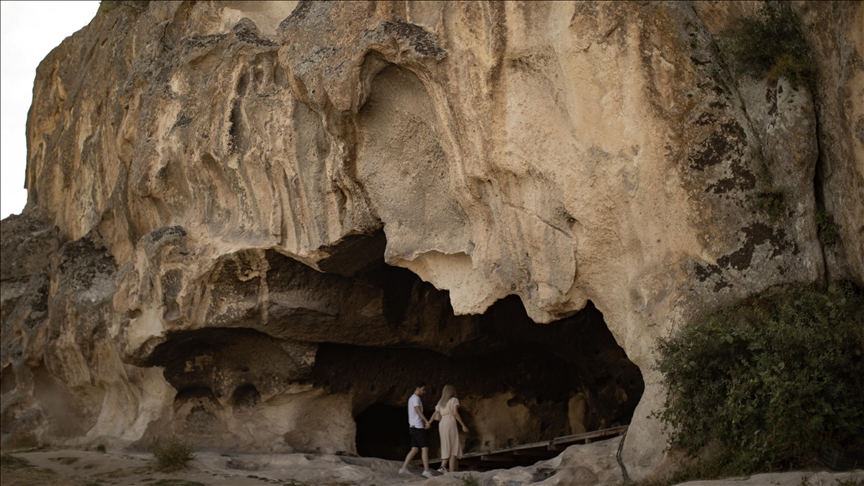
Today, Frig Vadisi forms part of a protected nature park that stretches across seven provinces and numerous districts, covering some 55 hectares of dramatic uplands, carved monuments and open steppe. Despite its scale and historical richness, it remains largely undiscovered.
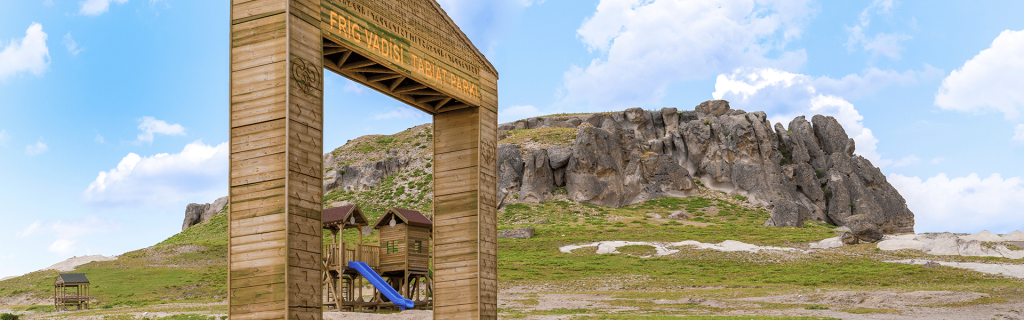
That is its greatest gift. Here, you can stand alone before a 3,000-year-old façade and hear nothing but the wind. The valley’s fairy chimneys — especially at Üçlerkayası — rise like sculptures shaped by time itself, while the Frig Vadisi Tabiat Parkı offers sweeping hiking trails through wildflower meadows and vast skies. Nearby Emre Lake brings water and birdsong to the scene, a peaceful counterpoint to the silent stone monuments.
The Phrygian Highlands are often called Turkey’s “sleeping Cappadocia” — but that misses the point. Frig Vadisi does not need to be louder, busier, or more famous. Its beauty lies in its quiet authenticity.
Here, you can walk alone among monuments older than classical Greece, follow paths used by kings and monks, and watch the sun set over a landscape that has barely changed in three thousand years.
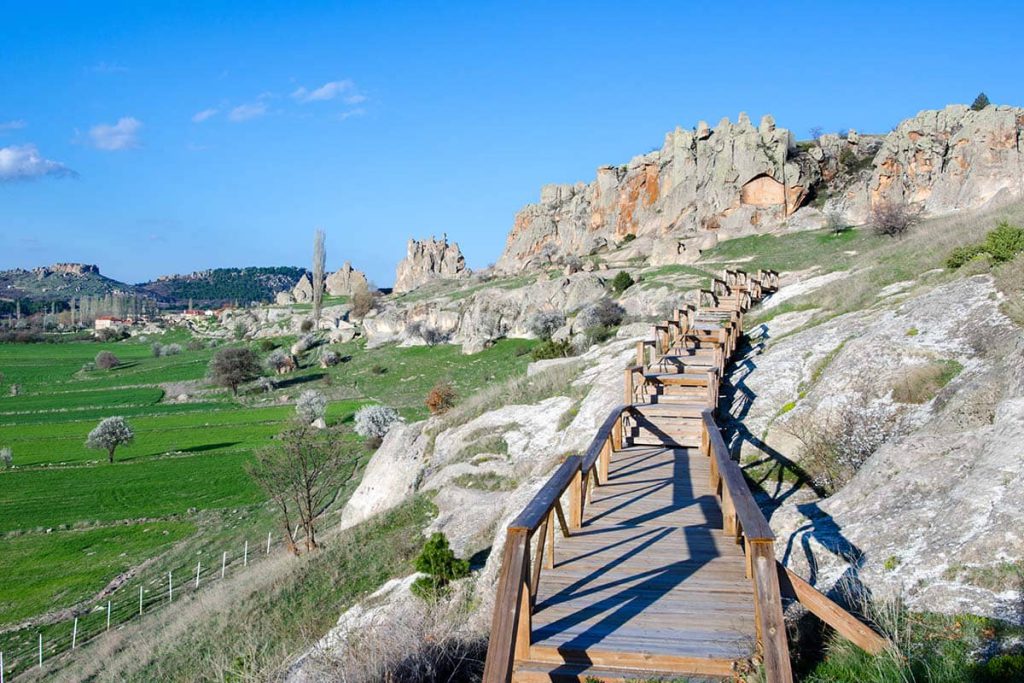
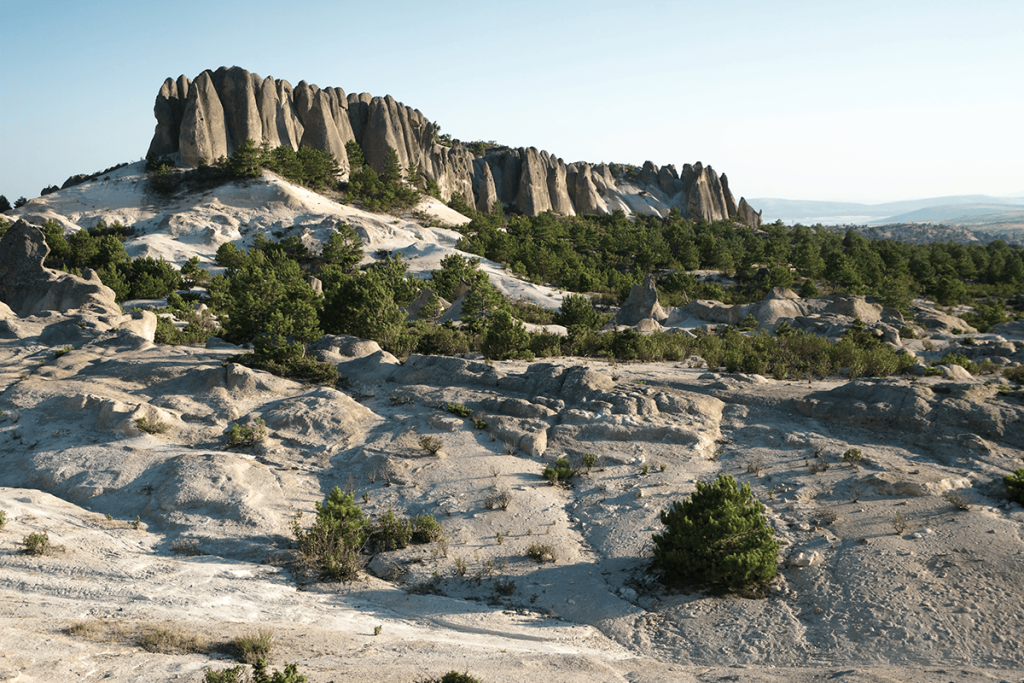
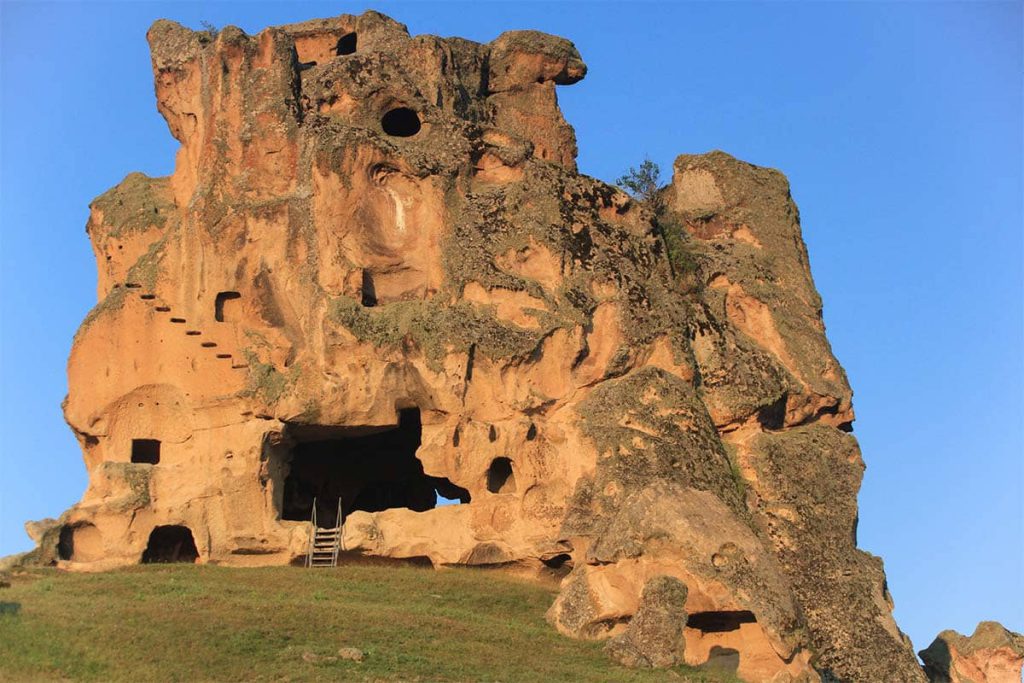
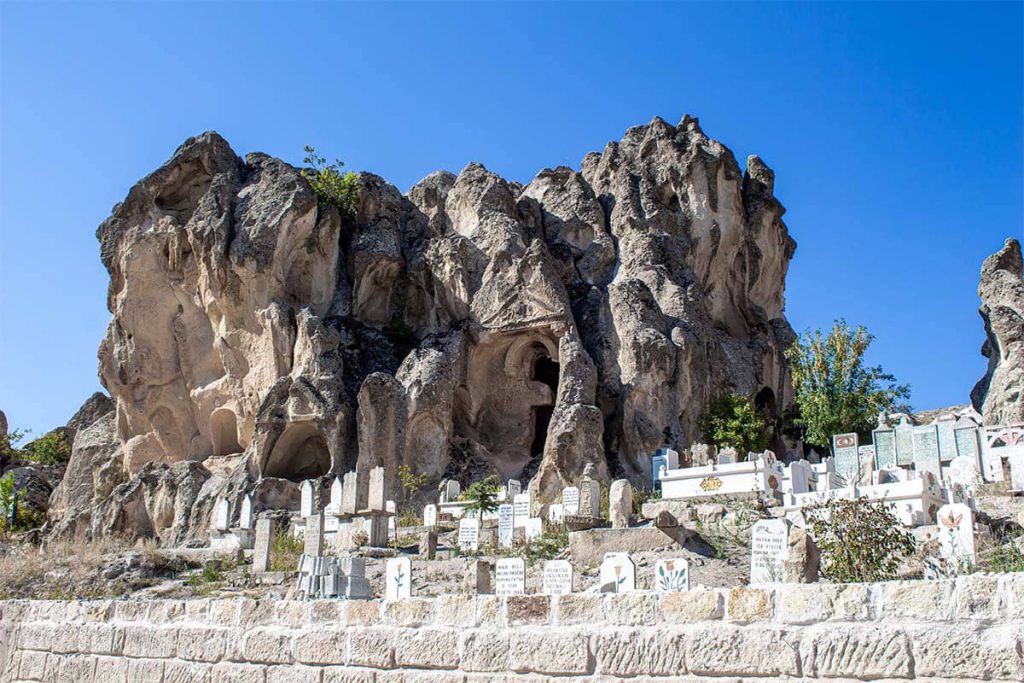
In a country rich with history, Frig Vadisi remains one of Turkey’s most hauntingly beautiful secrets — a place where legend, landscape, and silence still live side by side.
How to Explore
A car is essential, as villages and monuments are spread across a wide rural area and public transport is limited. The best bases are the nearby cities of Eskişehir, Kütahya, and Afyonkarahisar, all of which offer good accommodation and road access into the valley.
The historic town of Seyitgazi lies at the heart of the region and is about 206 kilometres southwest of Ankara.
Other articles that may interest you: