In homes and bakeries across Turkey, the holy month is marked not only by prayer and reflection, but by dishes passed down through generations.
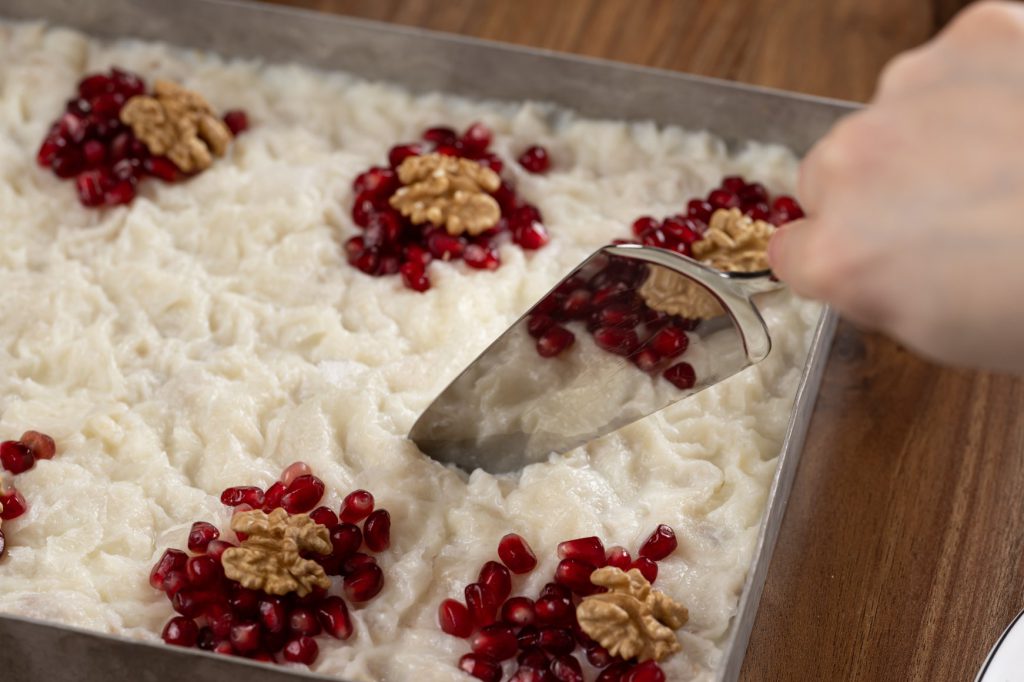
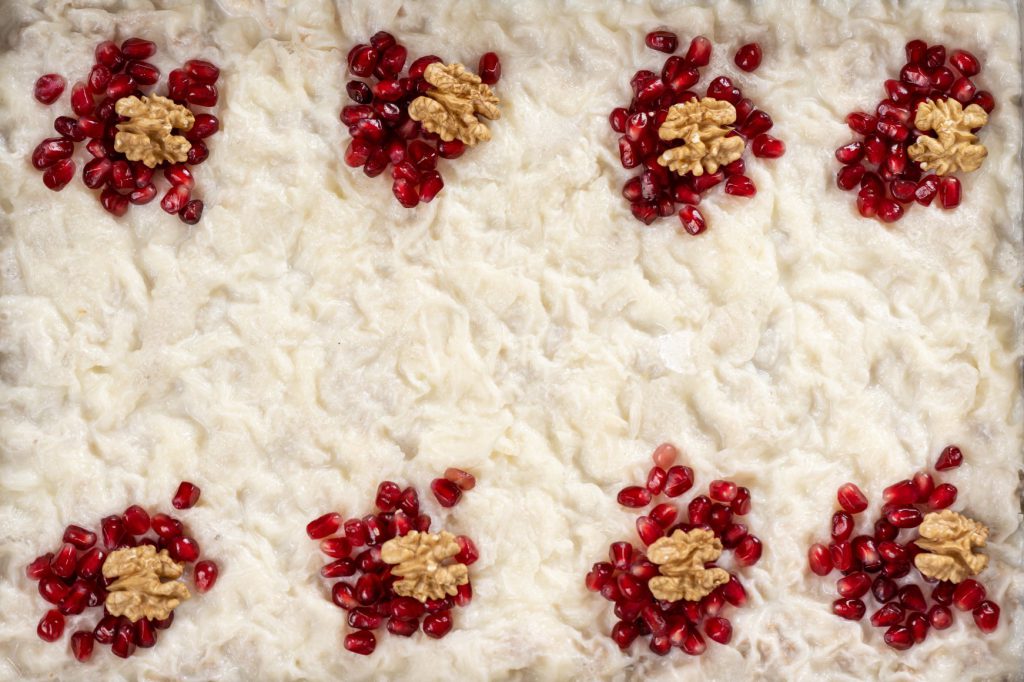
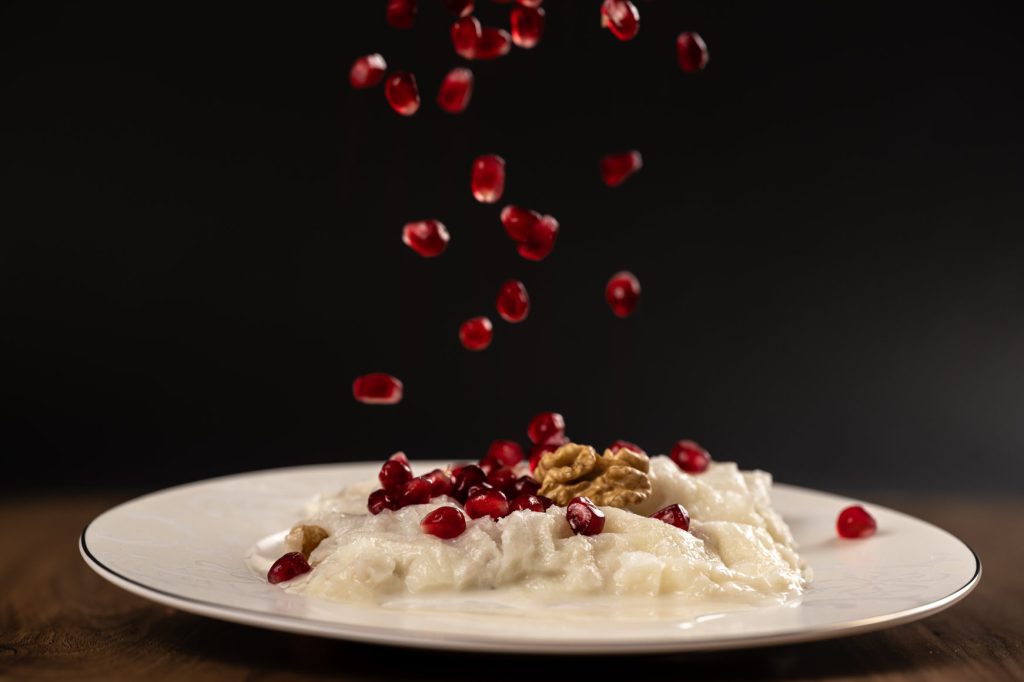
One of the most beloved is güllaç, a traditional dessert made from layers of thin, delicate pastry sheets softened with milk and lightly sweetened with sugar. Its name comes from the Turkish word “gül,” meaning rose — a nod to the subtle rosewater often used to perfume the dish. Light, silky and refreshing, güllaç is closely associated with Ramadan, offering a gentle sweetness after a day of fasting.
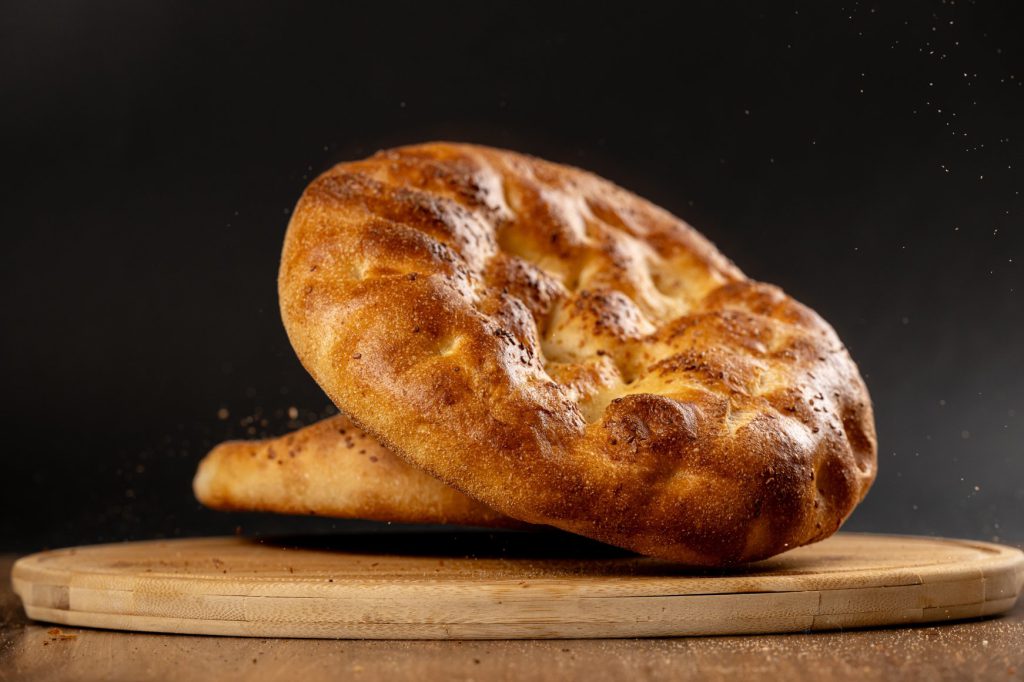
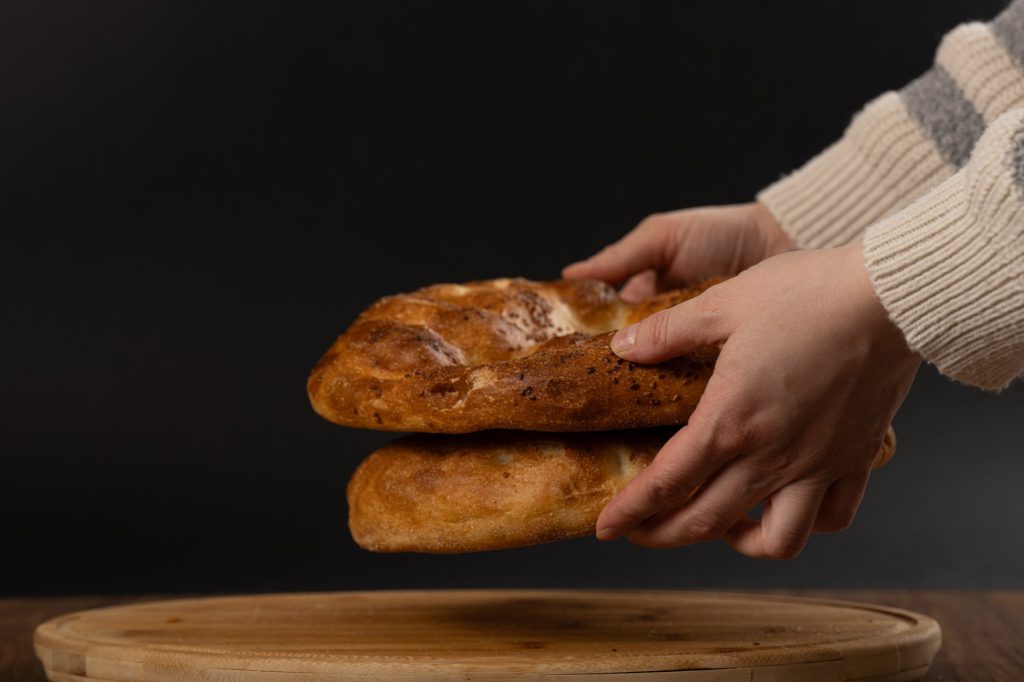
As the call to prayer echoes through neighbourhood streets, another cherished ritual begins. Outside bakeries, queues form in anticipation of freshly baked Ramadan pide. Soft and pillowy inside with a lightly crisp, golden crust, this warm bread is more than a staple of the iftar table. It represents patience, community and the shared joy of gathering to break the fast together.
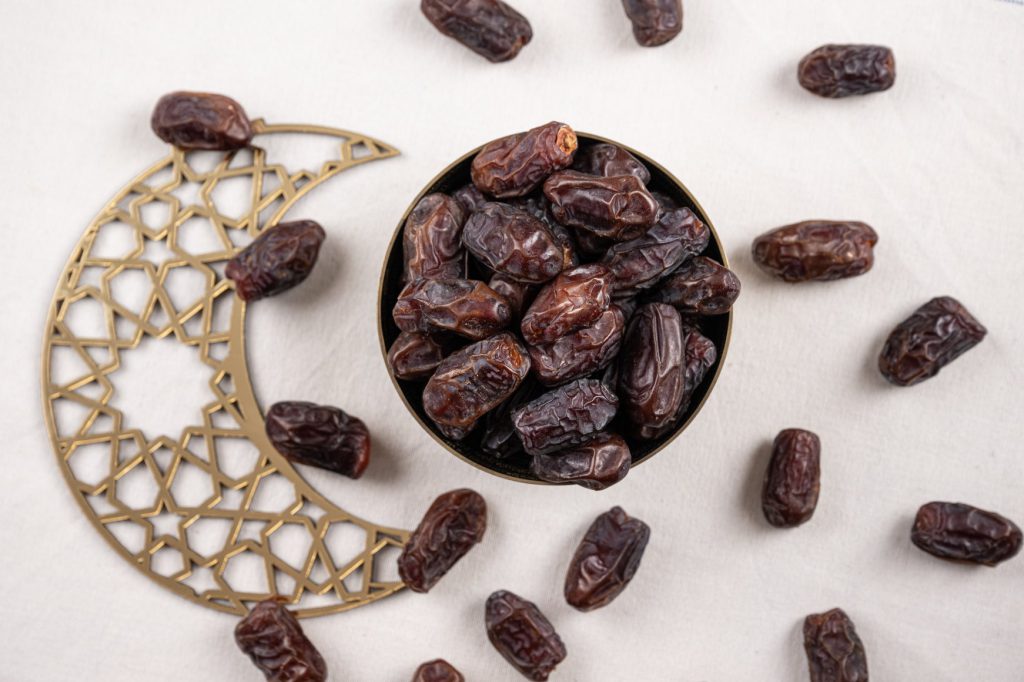
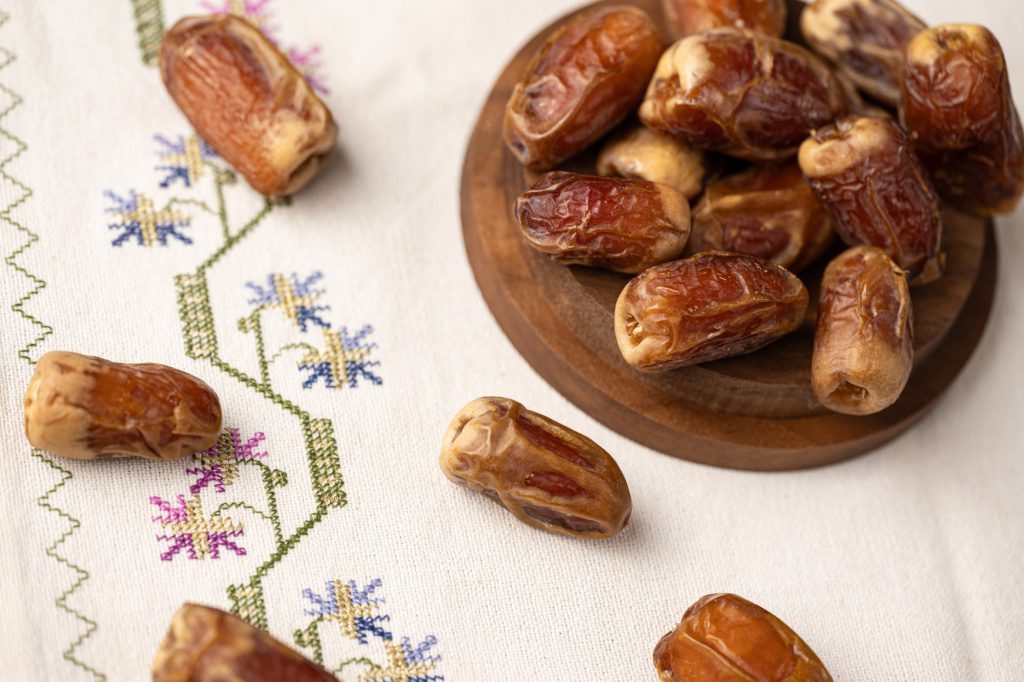
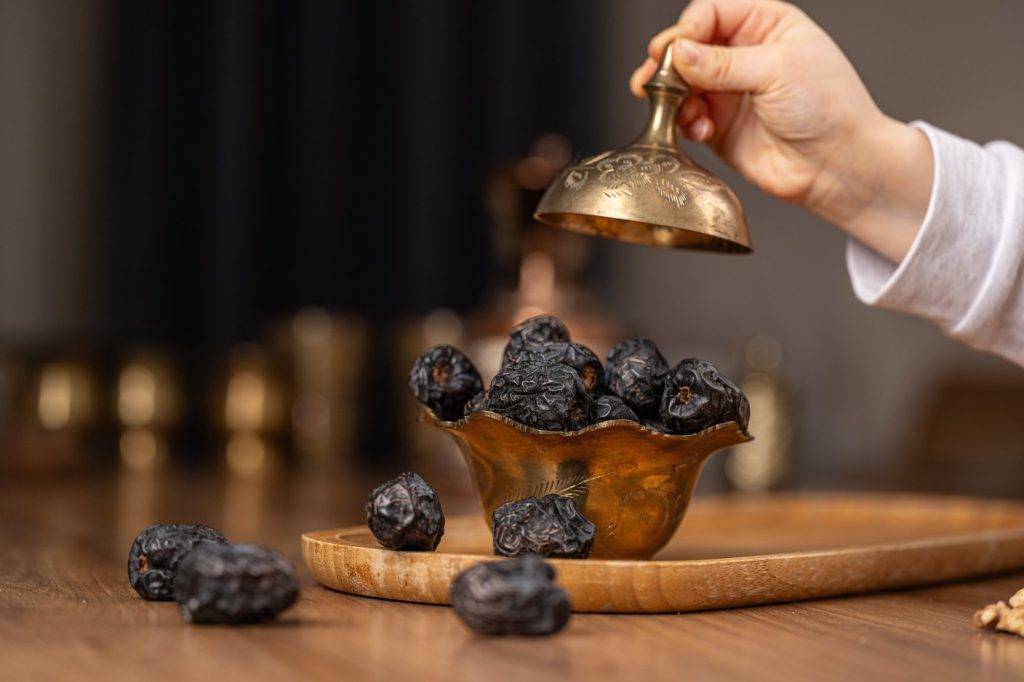
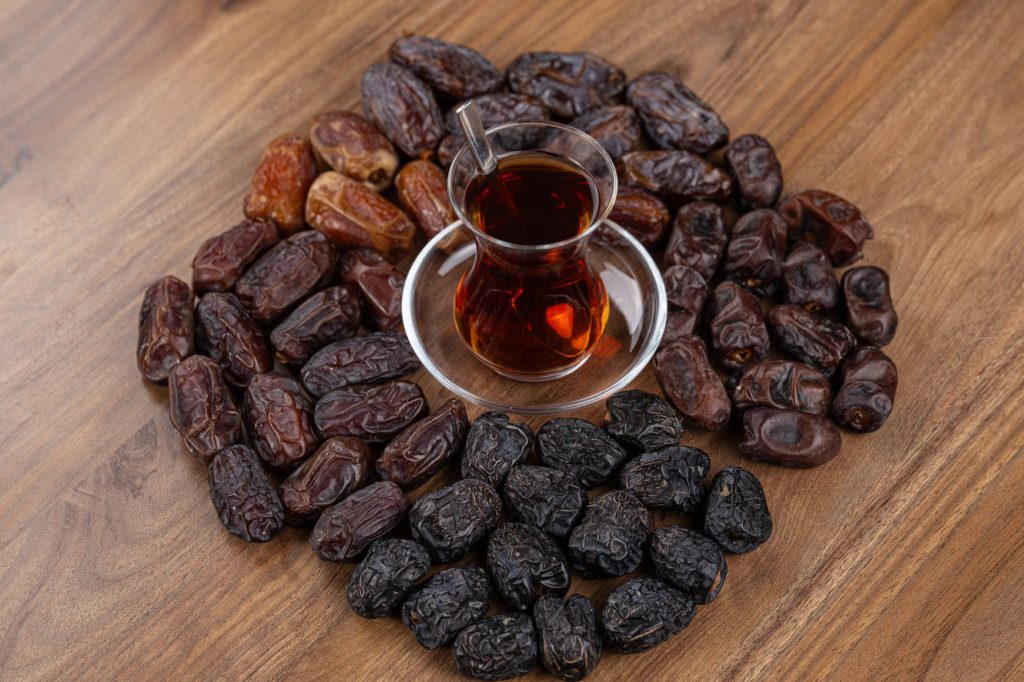
Traditionally, the fast is first broken with dates. Following a practice rooted in centuries of faith, they provide a natural source of nourishment after a long day. Simple yet symbolic, dates reflect gratitude, continuity and the spiritual heart of Ramadan.
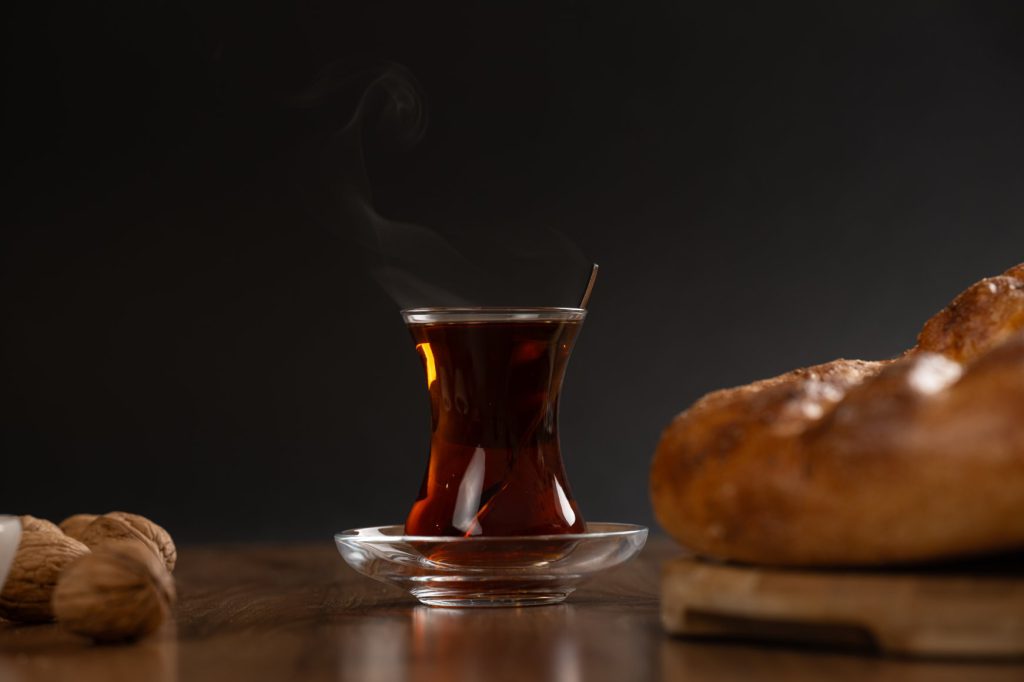
And no Ramadan evening would be complete without Turkish tea (Çay). Brewed strong from black tea leaves and served in small, tulip-shaped glasses, it accompanies desserts, conversation and quiet moments of reflection long into the night. More than just a drink, Turkish tea embodies hospitality, connection and the enduring warmth of tradition.
Through these timeless flavours, Ramadan’s spirit continues to unite families and communities year after year.
Source: Daily Sabah