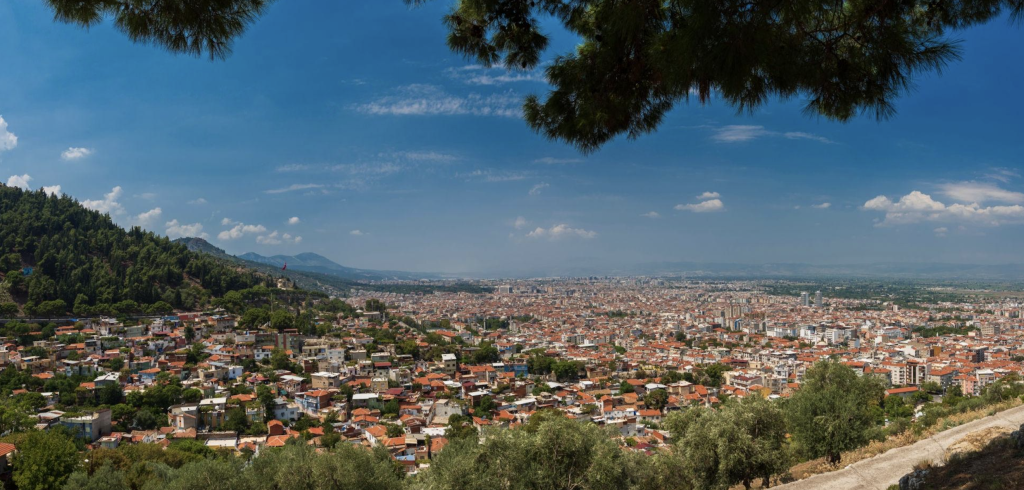
Set against the fertile plains of the Aegean and framed by volcanic hills, Manisa is a city where layers of history are not confined to museums—they shape the rhythm of everyday life. From the wealth of ancient Lydia to the grandeur of the Ottoman court, this western Turkish province offers a rare continuity of civilisation, where archaeological wonders and living traditions coexist.
Ancient crossroads of civilisation
Known in antiquity as Sypylos, Manisa has long stood at the intersection of empires. It flourished under the Lydians before becoming a vital Roman and Byzantine centre, strategically positioned along key trade routes linking Anatolia to the Mediterranean.
Its prominence continued into the 14th century when it became the capital of the Saruhanids. Later, under Ottoman rule, Manisa gained unique importance as a training ground for future sultans. Between 1437 and 1595, sixteen Ottoman princes governed here, including Suleiman the Magnificent and Mehmed the Conqueror.
Their legacy endures in the city’s architectural fabric—mosques, madrasas, baths, bridges and charitable institutions that continue to define Manisa’s historic core.
Capital of Lydia: the legacy of Sardes
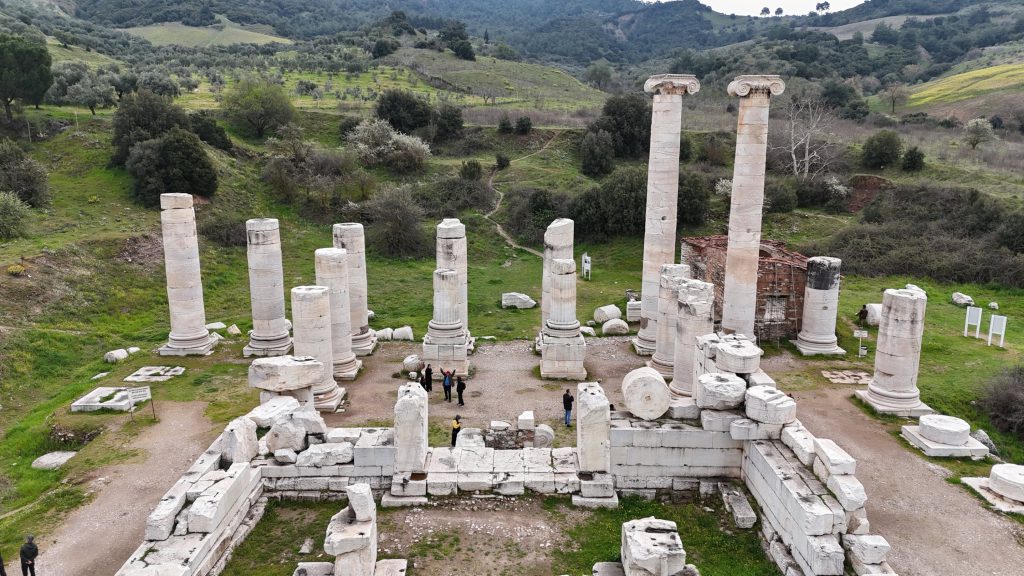
At the heart of Manisa’s ancient story lies Sardes, once the capital of the Lydian Kingdom and widely associated with the birth of coinage. Situated at the edge of the Gediz Plain, the site reveals a city that was both wealthy and cosmopolitan.
Among its most striking remains is the Temple of Artemis—one of the largest temples in Anatolia—its towering columns still hinting at the scale of ancient ambition. Equally remarkable is the Sardes Synagogue, one of the largest known from antiquity. Dating to the 3rd century A.D., its intricate mosaics and inscriptions reflect a thriving Jewish community within a multicultural urban centre.
Ongoing excavations have uncovered fortifications, palace remains and early coinage linked to the era of Croesus, whose legendary wealth became synonymous with prosperity itself.
Royal burial grounds: Bin Tepe Tumuli
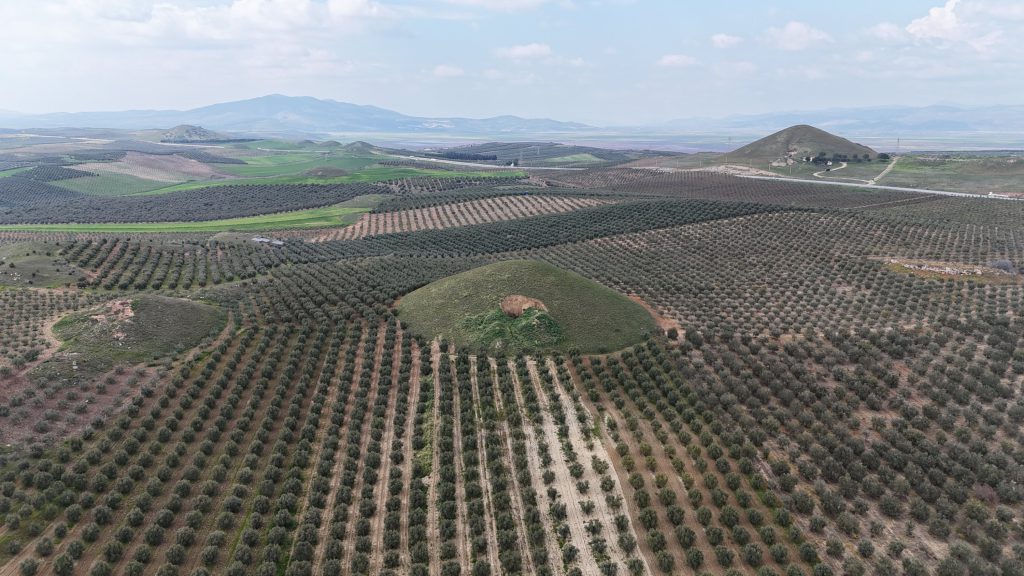
Just beyond Sardes lies one of Anatolia’s most impressive funerary landscapes. The Tumuli of Bin Tepe—often described as the “pyramids of Anatolia”—form a vast royal necropolis dating back to the 7th and 6th centuries B.C.
The largest mound, believed to belong to King Alyattes, rises dramatically above the plain, reflecting the power and prestige of Lydia’s ruling elite. These monumental earthworks offer insight into ancient burial traditions and the social hierarchy of one of the region’s earliest kingdoms.
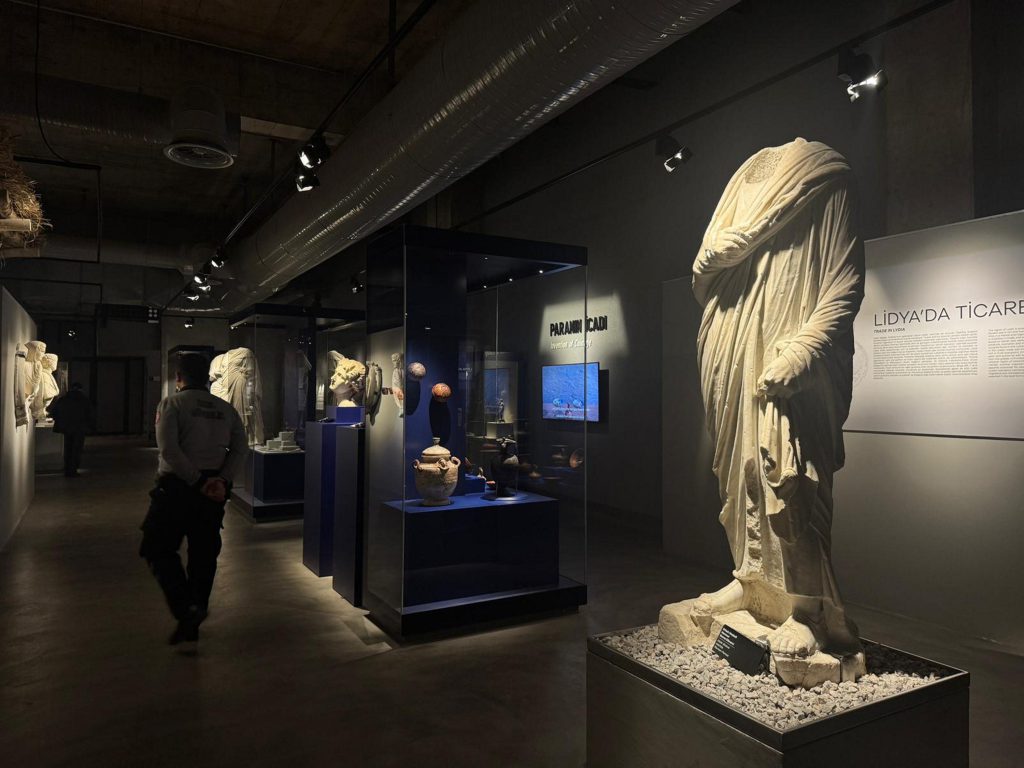
Preserving the past at the Manisa Museum
The story of Manisa’s past is brought together in the Manisa Museum, where artefacts span thousands of years—from the Bronze Age to the Byzantine era.
Displays include early coins, sculptures, mosaics and burial objects recovered from Sardes and the surrounding tumuli, offering a detailed look at Lydian innovation and daily life.
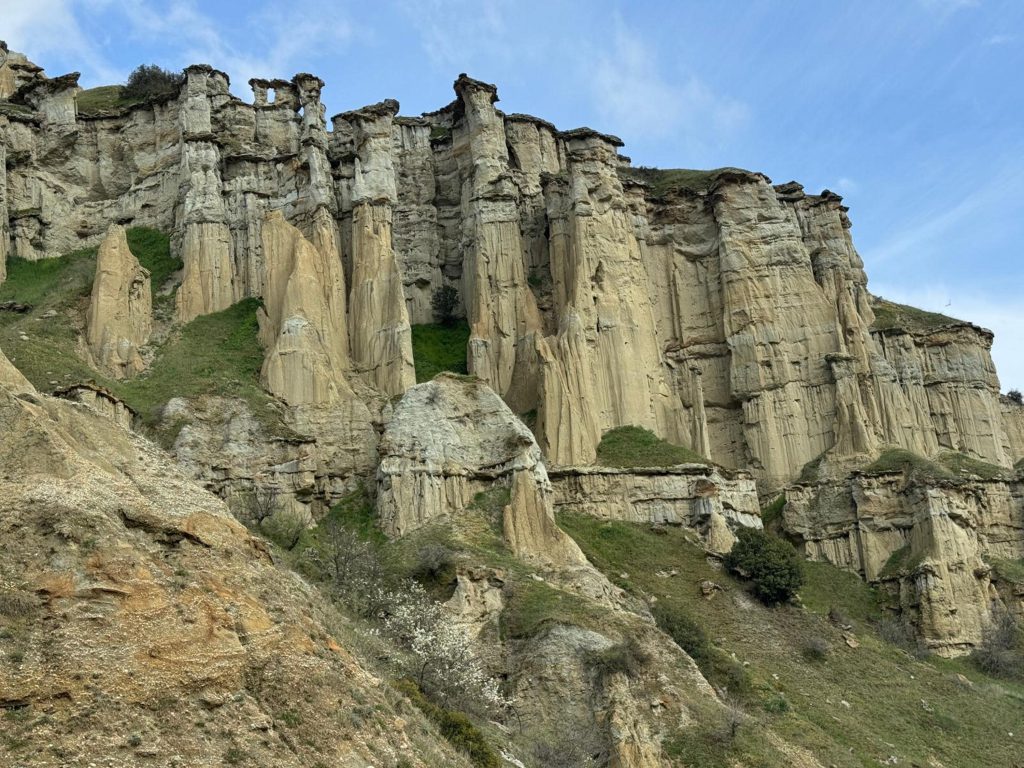
Volcanic landscapes of the Kula-Salihli UNESCO Global Geopark
Manisa’s natural landscape is just as compelling as its history. The Kula-Salihli UNESCO Global Geopark—Turkey’s first—covers a dramatic terrain shaped by ancient volcanic activity.
Described by the geographer Strabo as “Katakekaumene” or the “Burnt Land,” the region features lava fields, volcanic cones and striking rock formations known as fairy chimneys. Prehistoric human footprints preserved in volcanic ash add a rare scientific dimension to this already extraordinary landscape.
Ottoman heritage and living traditions
Beyond its ancient sites, Manisa’s Ottoman heritage remains deeply woven into daily life. The district of Kula is famed for its well-preserved traditional houses, with timber frames and projecting bay windows lining narrow streets.
In the city centre, landmarks such as the Muradiye Mosque—linked to the architectural tradition of Mimar Sinan—and the Sultan Mosque complex built for Ayşe Hafsa Sultan stand as enduring symbols of imperial patronage.
The enduring spirit of the Mesir Macunu Festival
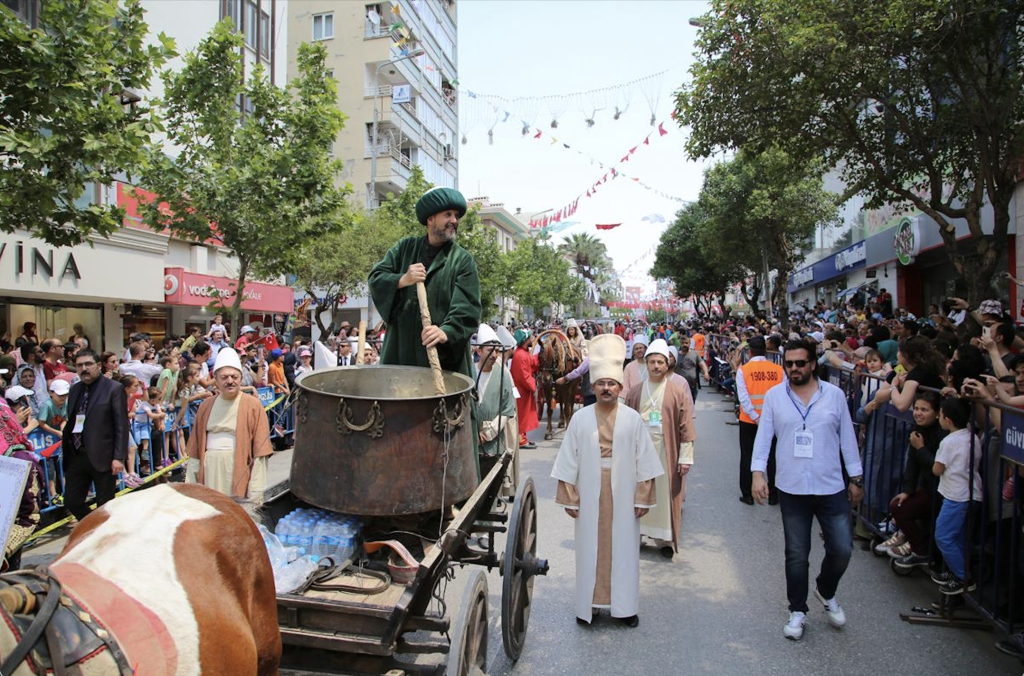
Manisa’s cultural identity is perhaps most vividly expressed through the Mesir Macunu Festival, a tradition dating back to the 16th century. Originating from a healing paste prepared for Hafsa Sultan using 41 herbs and spices, the custom has evolved into a vibrant public celebration.
Recognised by UNESCO as Intangible Cultural Heritage, the festival draws thousands each year. Its most iconic moment sees mesir paste scattered from the minarets of the Sultan Mosque—an enduring ritual believed to bring health and good fortune.
A city where past and present converge
Manisa is more than a historical destination—it is a living narrative. From the economic ingenuity of ancient Lydia to the cultural richness of the Ottoman era and the geological drama of its volcanic landscapes, the city continues to evolve while preserving its identity.
Here, history is not something you simply observe—it is something you experience, woven into the streets, traditions and landscapes that define Manisa today.
Source: Information compiled from historical records, archaeological research and official releases.
Follow us on UK Travel
UK Travel is part of Fethiye Times — connecting local life in Turkey with travel inspiration from the UK.
Follow UK Travel and let us take you on a journey across the nation — one story, one adventure, and one discovery at a time.
Start your journey now  https://fethiyetimes.com/uk-travel/