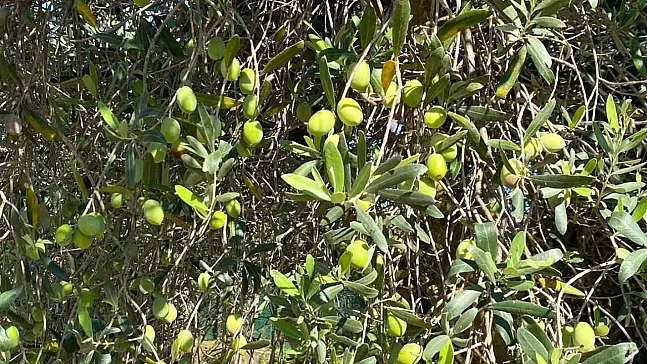
From ancient mythology to modern agriculture, the olive tree remains an enduring symbol of abundance, peace and prosperity in Fethiye, where olive cultivation continues to support local producers and preserve the region’s rich Mediterranean heritage.
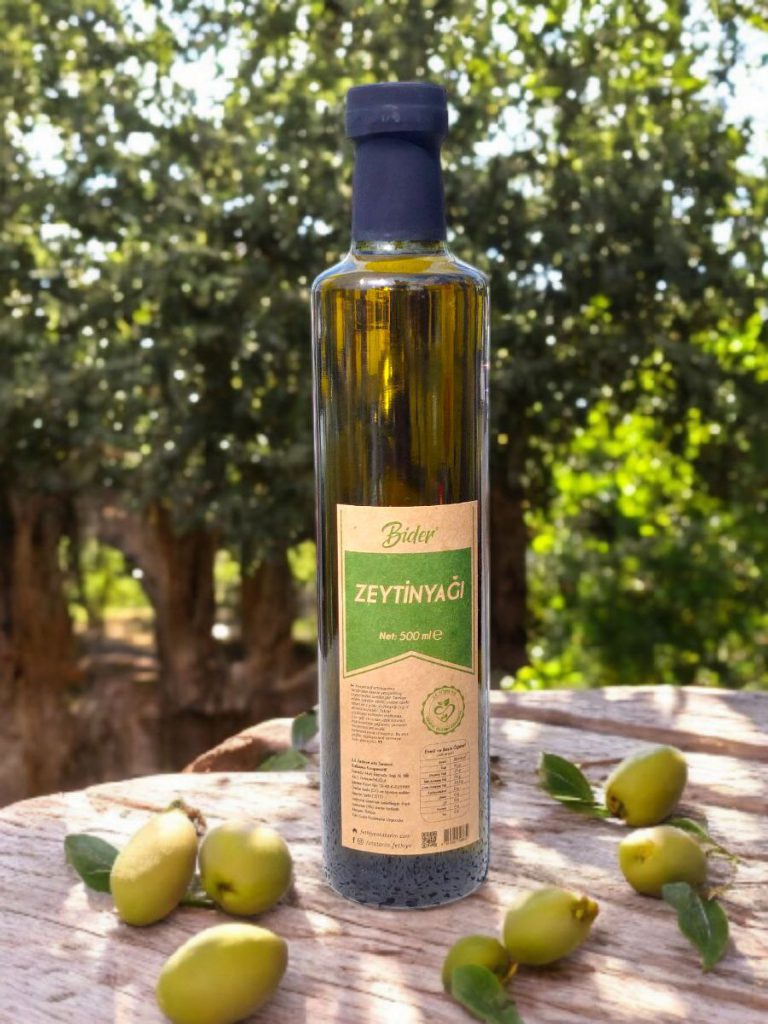
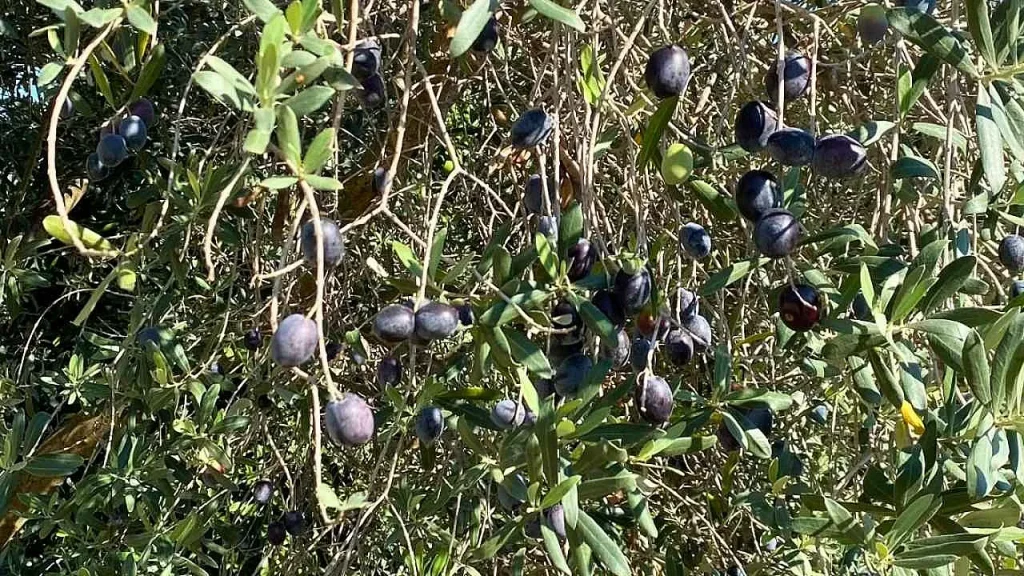
Across the rural neighbourhoods of Fethiye, Muğla, olive trees are an integral part of the landscape and local way of life. Their fruit is harvested for table olives and pressed to produce olive oil, providing both an important agricultural product and a taste of the region’s culinary traditions.
With a history stretching back thousands of years, the olive (Olea europaea) is deeply connected to Mediterranean civilisation. Today, its significance extends beyond the kitchen, representing generations of agricultural knowledge, cultural heritage and the enduring relationship between people and the land.
An ancient fruit with a rich history
The olive has played an important role in Mediterranean societies since antiquity, valued for its versatility and the many uses of its oil.
In the ancient world, olive oil was used not only in cooking but also for lighting lamps and caring for the body. Athletes incorporated it into their grooming routines, while its value was reflected in sporting traditions.
In ancient Athens, winners of the Panathenaic Games received amphorae filled with olive oil from sacred olive groves associated with Athena, the city’s patron goddess. These prizes demonstrated the considerable economic, cultural and symbolic importance of olive oil in ancient Greek society.
The olive’s long history in Anatolia and the wider Mediterranean has helped establish it as one of the region’s most recognisable agricultural products.
A gift of abundance in Greek mythology
The olive tree also holds a special place in Greek mythology.
According to legend, the goddess Athena competed with Poseidon for the honour of becoming the patron deity of Athens. Poseidon offered a powerful gift, while Athena presented the olive tree, providing humanity with fruit, oil and wood.
The people chose Athena’s gift, and the olive tree became a symbol of prosperity, nourishment and abundance.
Its symbolism has endured through the centuries. The olive branch, in particular, remains widely recognised as an emblem of peace, making the tree a cultural symbol that reaches far beyond its agricultural value.
In Fethiye, where the landscape and traditions reflect the wider Mediterranean world, the olive continues to embody this connection between nature, history and everyday life.
Fethiye’s olive producers look towards new markets
While its cultural significance remains strong, the olive is also an important contributor to the local economy.
In Fethiye and neighbouring Seydikemer, olive cultivation supports agricultural production, with opportunities to increase the value of the harvest through processing, packaging and sales.
Promoting locally produced olives and olive oil is an important part of helping regional products reach new customers and commercial markets.
One such initiative took place at the Olivtech Fair in İzmir, held from 30 April to 2 May 2026. Olive and olive oil products from Fethiye and Seydikemer were showcased at a stand organised by the Fethiye Chamber of Commerce and Industry.
The event provided an opportunity to introduce regional products to a wider audience, establish new commercial connections and explore developments in production technology and storage solutions.
By bringing together agricultural producers and businesses, events such as Olivtech can help raise awareness of the region’s olive-growing potential and support efforts to expand market opportunities for local products.
From the olive grove to the table
The journey from tree to table represents much more than the production of food. It reflects the work of local growers, the knowledge passed down through generations and the agricultural traditions that continue to shape life in Fethiye’s countryside.
Whether enjoyed as table olives, drizzled over fresh salads or used in traditional Mediterranean dishes, locally produced olive oil remains an important part of the region’s food culture.
As producers seek new opportunities to promote their products, the olive continues to offer both economic potential and a tangible link to the area’s past.
In Fethiye, the olive tree is much more than an agricultural asset. It is a living connection to the region’s history, a symbol of Mediterranean identity and a reminder of the value of the land and the people who cultivate it.
Source: Gerçek Fethiye