Have you ever wondered what rules and regulations govern the media, or how newspapers and online news platforms decide what they should and should not publish? Is everything fair game, or are there limits on what can be reported?
The answer depends very much on where you are in the world. Different countries have different legal frameworks and different interpretations of what constitutes a “free press.” For Fethiye Times — based in the UK while publishing for an audience in Turkey — this means navigating two very different media and legal environments.
For example, Turkish law includes specific provisions relating to insulting the President, and public officials are subject to restrictions on speaking to the media. These are important legal considerations for any organisation reporting on Turkey.
At the same time, countries such as the UK have their own laws designed to prevent libel, defamation, and irresponsible reporting. These rules are intended to encourage journalists and publishers to report established facts and to avoid speculation, unfounded allegations, and inflammatory content.
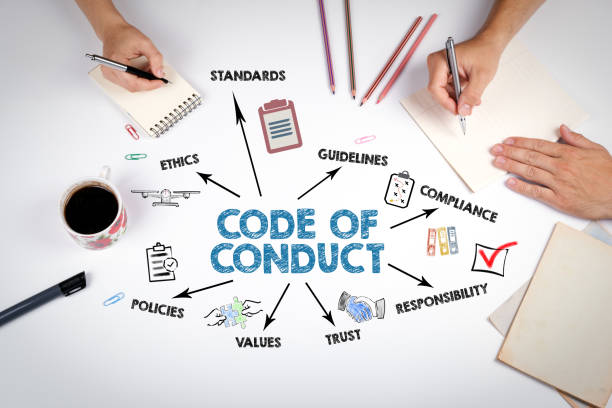
At Fethiye Times, our aim is to ensure that everything we publish — whether written by our editorial team, submitted by a contributor, or appearing in user-generated content that we moderate — is handled in line with the principles of responsible journalism. That means striving for accuracy, fairness, balance, and respect for the law, while clearly distinguishing verified information from opinion or commentary.
Accuracy
Stories published by Fethiye Times are based on information gathered and checked in good faith by the reporting team. Every reasonable effort is made to ensure that articles are a fair, accurate, and truthful representation of the facts available at the time of publication.
If an error is identified and substantiated, Fethiye Times will correct it promptly. Corrections will be published with appropriate prominence and linked to the original article wherever possible.
Except in clearly identified reviews, editorials, or opinion pieces, Fethiye Times does not express opinions on the matters it reports. Maintaining objectivity is essential. The team seeks to report fairly and without taking sides, whether the subject involves consumer issues, public or personal disputes, or political matters.
Privilege
It is important to note that, under UK media law, fair and accurate reporting of certain public meetings and official proceedings may be protected by qualified privilege. This means that journalists can report what was said at those meetings without having to obtain prior approval from the individuals or organisations mentioned, provided the report is fair, accurate, and published in the public interest.
Qualified privilege does not give the media unlimited freedom to publish defamatory or misleading material. If a person or organisation believes they have been treated unfairly or that relevant context has been omitted, they have the right to seek a correction or to provide a response. Fethiye Times will consider such replies and, where appropriate, offer a fair opportunity for their position to be represented.
Libel
Fethiye Times will not publish or allow content that risks defamation, whether in an article, Facebook post, or comment submitted by a third party.
Open debate is an essential part of a free media; however, discussion must be based on facts and conducted responsibly. Content must not rely on speculation, conjecture, hearsay, or unverified claims.
Fethiye Times will not publish information that cannot be reasonably substantiated, nor allegations that appear to be motivated by malice, personal grievance, or spite.
Personal attacks against individuals — including comments about their character, family, reputation, standing within the community, or business interests — will not be tolerated.
Our responsibility is to encourage informed discussion while protecting individuals from unfair, harmful, or potentially defamatory content.
Social media
Although social media has been part of the media landscape for more than a decade, regulating user-generated content remains a significant challenge. However, administrators of Facebook pages and groups have a responsibility similar to that of a publisher and must take reasonable steps to monitor and manage the content shared on their platforms.
The Fethiye Times Facebook page is actively moderated. Any comment, post, or information published by a third party that is considered offensive, defamatory, discriminatory, or in breach of our code of conduct will be removed without notice.
As the publisher and administrator of this platform, Fethiye Times accepts responsibility for the content that appears on our page and therefore reserves the right to determine what content is permitted.
Personal attacks, hostility, negativity, unsubstantiated claims, deliberate misinformation, inflammatory comments, or repeated failure to follow our guidelines will result in an immediate and permanent ban from the page.
We welcome constructive discussion and differing opinions, but this must always be based on respect, facts, and responsible engagement.
Turkish media policies
Although Fethiye Times is an internet-based publication with a UK base, we operate in Turkey and must remain mindful of the legal, cultural, and regulatory environment in which we work. This means respecting Turkish legislation, official procedures, and local protocols, alongside the standards of responsible journalism that guide our work.
As Fethiye Times is not a newspaper or media organisation registered in Turkey, we do not have the same formal access arrangements that a registered media organisation may have with government departments or public institutions. Information provided by local authorities, public bodies, and organisations is shared at their discretion and is not something we can demand as a right.
This can sometimes limit our ability to investigate certain matters in the same way a formally accredited media organisation might. Where access to official information or relevant parties is not available, it is important that we avoid speculation and ensure that anything we publish is based on verified information and presented fairly.
Fethiye Times will continue to report on community events, charity initiatives, cultural activities, local developments, natural events, human-interest stories, and accidents or emergencies where accurate information is available and where reporting is in the public interest.
However, responsible journalism also requires recognising the limits of our role. We are not an investigative body, a political organisation, or an advocacy platform. Where matters involve public officials, government decisions, or political issues, we must ensure that any reporting is balanced, evidence-based, and supported by reliable sources. Without access to all relevant information and the opportunity for all sides to respond, it would be inappropriate to publish speculation or unverified claims.
Our commitment remains to provide factual, fair, and respectful reporting while maintaining the trust of both our readers and the communities we serve.
If readers have questions about our code of practice or wish to comment on our reporting, please contact us at fethiyetimes2017@gmail.com. We welcome constructive feedback and will always endeavour to respond to enquiries as promptly as possible.
Updated on 6 August 2026